
The global diagnostic specialty enzymes market, valued at US$ 1.0 Bn in 2022, is projected to grow at a compound annual growth rate (CAGR) of 6.9% from 2023 to 2031, reaching an estimated US$ 1.8 Bn by the end of the forecast period. This robust market expansion is propelled by increasing demand for non-toxic biological catalysts in diagnostics and pharmaceutical applications, as well as innovations in enzyme technologies that are transforming disease diagnostics and drug development.
The surge in demand for eco-friendly, non-toxic biological catalysts is significantly influencing the global diagnostic specialty enzymes market. Enhanced production tools in the pharmaceutical sector and growing awareness regarding the multifunctional benefits of specialty enzymes are further boosting market revenue. Key players are engaging in mergers and acquisitions, portfolio expansion, and new product launches to secure a lucrative industry position, thereby reinforcing market growth.
Preview crucial insights and findings from our Report in this sample –
https://www.transparencymarketresearch.com/sample/sample.php?flag=S&rep_id=44472
Market Introduction
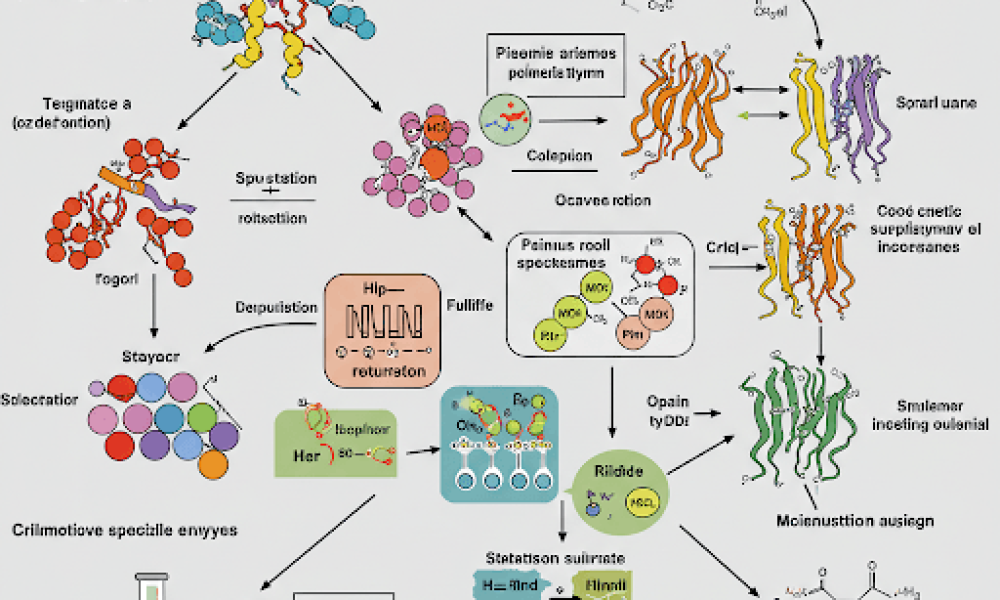
Diagnostic specialty enzymes are natural biocatalysts harvested from living organisms such as plants, animals, bacteria, and fungi. These enzymes, including proteases, carbohydrases, polymerases & nucleases, oxidases, and others, are employed in a range of high-value, low-volume applications. They are critical components in clinical chemistry, molecular diagnostics, immunoassays, and various other diagnostic processes. In addition to facilitating DNA/RNA replication, transcription, recombination, and repair, these enzymes offer enhanced chemo- and stereoselectivity under mild reaction conditions, positioning them as greener alternatives to chemically produced catalysts.
Increase in Demand for Non-toxic Biological Catalysts Fueling Market Revenue
The inherent properties of specialty enzymes—low toxicity, biodegradability, and excellent selectivity—make them attractive for applications that require precise and efficient catalytic performance. With an increasing emphasis on green chemistry, these biocatalysts are preferred over conventional chemical catalysts. Their role in molecular biology, such as in gene cloning, sequencing, and mapping, is driving significant investments in R&D. For instance, in June 2023, Merck announced a major investment in Scotland to enhance molecular biology and sequencing services, which is expected to further stimulate market growth.
Rise in Prevalence of Diseases Driving Market Progress
Diagnostic specialty enzymes are pivotal in the detection and monitoring of diseases including cancer, cardiovascular diseases, and infectious ailments. With millions of new cancer cases and high mortality rates being reported globally, the demand for precise diagnostic assays has never been greater. Investments in drug manufacturing and diagnostic innovations—such as Imeka’s recent funding from the Alzheimer’s Drug Discovery Foundation (ADDF) to develop novel biomarkers—are expected to further drive market expansion. The decline in the cost of DNA manipulation and sequencing is also set to increase the utilization of these enzymes in both diagnostic and biotechnology applications.
High Demand for Polymerases & Nucleases
Among various enzyme types, polymerases and nucleases held the largest market share in 2022 due to their extensive application in advanced biotech processes such as DNA sequencing and amplification. Their critical role in molecular diagnostics and research is expected to sustain their dominant position throughout the forecast period, while segments like oxidases may experience relatively slower growth.
Regional Outlook
North America led the diagnostic specialty enzymes market in 2022, supported by the widespread adoption of advanced biotechnology approaches such as next-generation sequencing and significant investments in drug discovery. In Asia Pacific, the combination of expanding healthcare infrastructure, increasing population, and a burgeoning biotechnology sector is poised to drive significant market growth over the forecast period.
Visit our report to discover a deeper understanding of the findings –
https://www.transparencymarketresearch.com/diagnostic-specialty-enzymes-market.html
Analysis of Key Players
Key players in the global diagnostic specialty enzymes market are focused on innovation and strategic expansion to meet rising global demand. Prominent companies include:
- F. Hoffmann-La Roche Ltd.
- Novozymes A/S
- Codexis, Inc.
- BBI Solutions
- Biocatalysts Ltd.
- Advanced Enzymes Technologies Ltd.
- American Laboratories, Inc.
- Thermo Fisher Scientific Inc.
- Amano Enzyme Inc.
- Amicogen
These industry leaders are actively investing in research and development and are implementing strategic initiatives to expand their product portfolios and global reach.
Key Developments
- January 2024: Novozymes and Chr. Hansen merged to form Novonesis, emerging as a world-leading biosolutions partner dedicated to driving healthier lives and a healthier planet.
- 2022: Ginkgo Bioworks launched Ginkgo Enzyme Services, leveraging ultra-high throughput screening and machine learning-guided protein design to address critical challenges in enzyme discovery and optimization for large-scale manufacturing.
Diagnostic Specialty Enzymes Market Snapshot
| Attribute | Detail |
| Market Size in 2022 | US$ 1.0 Bn |
| Market Forecast Value in 2031 | US$ 1.8 Bn |
| Growth Rate (CAGR) | 6.9% |
| Forecast Period | 2023–2031 |
| Historical Data Available for | 2017–2021 |
| Quantitative Units | US$ Bn (Value) |
| Market Analysis | Includes detailed segment and regional analysis, qualitative insights into drivers, restraints, opportunities, key trends, Porter’s Five Forces, value chain, and trend analysis. |
| Competition Landscape | Comprehensive market share analysis by company (2022) with detailed profiles covering company overview, product portfolio, sales footprint, strategy, and financial performance. |
Market Segmentation
Product: Proteases, Carbohydrases, Polymerases & Nucleases, Oxidases, Others
Application: Clinical Chemistry, POC Testing & Blood Glucose Monitoring, Molecular Diagnostics, Immunoassay, Others
Regions Covered: North America, Europe, Asia Pacific, Latin America, Middle East & Africa
Countries Covered: U.S., Canada, Germany, Spain, Italy, France, U.K., China, Japan, India, Australia & New Zealand, Brazil, Mexico GCC Countries, South Africa
Buy this Premium Research Report to unlock essential market knowledge –
https://www.transparencymarketresearch.com/checkout.php?rep_id=44472<ype=S
Frequently Asked Questions (FAQ)
Q1: What are diagnostic specialty enzymes?
A: Diagnostic specialty enzymes are natural biocatalysts derived from living organisms that are used in high-value, low-volume applications across clinical chemistry, molecular diagnostics, immunoassays, and other diagnostic processes. They play key roles in DNA/RNA processing, disease detection, and drug development.
Q2: What factors are driving the growth of this market?
A: The market is being driven by increasing demand for non-toxic, eco-friendly catalysts in diagnostics and pharmaceuticals, heightened awareness of the multifunctional benefits of specialty enzymes, and rising investments in R&D for molecular diagnostics and precision medicine.
Q3: Which enzyme segment holds the largest market share?
A: The polymerases & nucleases segment held the largest share in 2022, largely due to their extensive application in advanced biotechnology processes such as DNA sequencing and amplification.
Q4: How is the prevalence of diseases impacting this market?
A: Specialty enzymes are critical in diagnosing diseases such as cancer, cardiovascular disorders, and infectious diseases. Rising disease prevalence and increased investments in drug manufacturing and diagnostics are driving market demand.
Q5: What are some key recent developments in the market?
A: Notable developments include the merger of Novozymes and Chr. Hansen to form Novonesis in January 2024 and the launch of Ginkgo Enzyme Services by Ginkgo Bioworks in 2022, which leverages advanced screening and machine learning for enzyme optimization.
Q6: Which regions are the largest contributors to this market?
A: North America currently holds the largest share, driven by advanced biotechnology infrastructure and high investments in drug discovery, while Asia Pacific is expected to see significant growth due to expanding healthcare infrastructure and rising population.
About Transparency Market Research
Transparency Market Research, a global market research company registered at Wilmington, Delaware, United States, provides custom research and consulting services. Our exclusive blend of quantitative forecasting and trends analysis provides forward-looking insights for thousands of decision makers. Our experienced team of Analysts, Researchers, and Consultants use proprietary data sources and various tools & techniques to gather and analyses information.
Our data repository is continuously updated and revised by a team of research experts, so that it always reflects the latest trends and information. With a broad research and analysis capability, Transparency Market Research employs rigorous primary and secondary research techniques in developing distinctive data sets and research material for business reports.
Contact:
Transparency Market Research Inc.
CORPORATE HEADQUARTER DOWNTOWN,
1000 N. West Street,
Suite 1200, Wilmington, Delaware 19801 USA
Tel: +1-518-618-1030
USA – Canada Toll Free: 866-552-3453
Website: https://www.transparencymarketresearch.com
Email: [email protected]




