
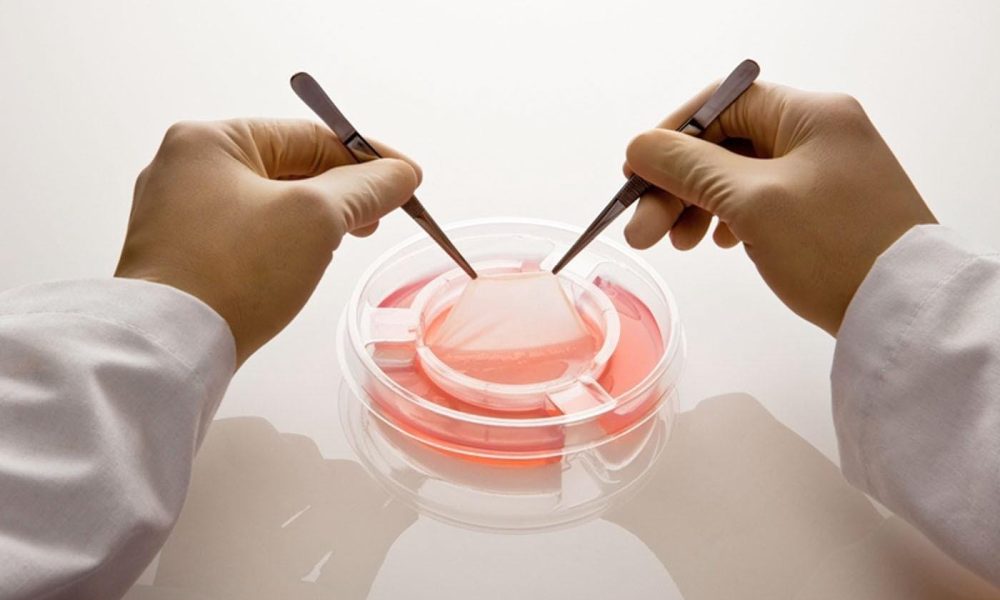
The Tissue Engineered Skin Substitute Market is projected to be valued at USD 2.4 billion in 2024 and is expected to grow at a CAGR of 3.9% over the forecast period (2024–2034). By 2034, the market value is anticipated to reach USD 3.5 billion.
𝐑𝐞𝐪𝐮𝐞𝐬𝐭 𝐚 𝐒𝐚𝐦𝐩𝐥𝐞 𝐑𝐞𝐩𝐨𝐫𝐭 𝐍𝐨𝐰 𝐭𝐨 𝐠𝐞𝐭 𝐏𝐫𝐞𝐦𝐢𝐮𝐦 𝐈𝐧𝐬𝐢𝐠𝐡𝐭𝐬: https://www.futuremarketinsights.com/report-sample#5245502d47422d373831
𝐊𝐞𝐲 𝐌𝐚𝐫𝐤𝐞𝐭 𝐃𝐫𝐢𝐯𝐞𝐫𝐬:
Rising Incidence of Burn Injuries and Chronic Wounds:
- Increasing prevalence of burns, diabetic foot ulcers, venous leg ulcers, and pressure ulcers is driving the demand for advanced wound care solutions.
- According to the World Health Organization (WHO), an estimated 180,000 deaths occur each year due to burns, primarily in low- and middle-income countries.
- Chronic wounds associated with diabetes and vascular diseases are also contributing to the growing demand for tissue-engineered skin substitutes.
Advancements in Tissue Engineering and Regenerative Medicine:
- Technological advancements in biomaterials, stem cell therapy, and 3D bioprinting are enhancing the efficacy and functionality of skin substitutes.
- Biodegradable scaffolds, collagen-based matrices, and bioengineered skin constructs are gaining popularity due to their biocompatibility and accelerated healing properties.
Increasing Cosmetic and Reconstructive Surgery:
- Aesthetic procedures and reconstructive surgeries are on the rise due to increasing demand for scar management and skin restoration.
- Tissue-engineered skin is widely used in cosmetic surgeries, including skin grafting and scar revision.
Growing Geriatric Population:
- Aging population is more susceptible to chronic wounds, skin ulcers, and delayed wound healing due to reduced skin elasticity and weakened immune response.
- Elderly patients are a significant consumer group for advanced wound care products and tissue-engineered skin substitutes.
Government Initiatives and Increased Healthcare Expenditure:
- Government funding for wound care research and regenerative medicine is promoting product development and clinical trials.
- Rising healthcare expenditure and favorable reimbursement policies are contributing to market growth.
𝐌𝐚𝐫𝐤𝐞𝐭 𝐓𝐫𝐞𝐧𝐝𝐬:
3D Bioprinting and Customized Skin Substitutes:
- 3D bioprinting technology enables personalized skin grafts and customized tissue-engineered solutions.
- Development of patient-specific skin substitutes using stem cells and bio-inks for enhanced biocompatibility and functionality.
Shift Toward Biological and Composite Skin Substitutes:
- Increasing demand for biological skin substitutes derived from allogeneic, xenogeneic, or autologous cells due to their natural healing properties.
- Composite skin substitutes, which combine dermal and epidermal layers, are gaining traction for full-thickness wound healing.
Focus on Non-Immunogenic and Biodegradable Materials:
- Development of non-immunogenic materials to reduce rejection rates and improve integration with the host tissue.
- Use of biodegradable scaffolds that promote cellular infiltration and vascularization.
Emergence of Smart Wound Dressings:
- Smart wound dressings integrated with biosensors and drug delivery systems for real-time monitoring and targeted therapy.
- These dressings provide continuous monitoring of wound healing parameters like pH, temperature, and exudate levels.
Increasing Collaboration and Strategic Partnerships:
- Collaborations between biotech companies, research institutions, and healthcare providers to accelerate product development and commercialization.
- Strategic acquisitions and partnerships to expand product portfolios and geographical reach.
𝐀 𝐂𝐨𝐦𝐩𝐫𝐞𝐡𝐞𝐧𝐬𝐢𝐯𝐞 𝐅𝐮𝐥𝐥 𝐑𝐞𝐩𝐨𝐫𝐭: https://www.futuremarketinsights.com/reports/tissue-engineered-skin-substitute-market
𝐓𝐲𝐩𝐞𝐬 𝐨𝐟 𝐓𝐢𝐬𝐬𝐮𝐞 𝐄𝐧𝐠𝐢𝐧𝐞𝐞𝐫𝐞𝐝 𝐒𝐤𝐢𝐧 𝐒𝐮𝐛𝐬𝐭𝐢𝐭𝐮𝐭𝐞𝐬:
Cell-Based Skin Substitutes:
- Utilizes living cells to stimulate tissue regeneration and wound healing.
- Includes autologous, allogeneic, and xenogeneic cell-based substitutes.
- Example: Cultured Epidermal Autografts (CEA) and Dermal Fibroblast Constructs.
Acellular Skin Substitutes:
- Consists of biomaterial scaffolds without living cells.
- Promotes cell migration, angiogenesis, and tissue remodeling.
- Example: Collagen-based matrices and hyaluronic acid-based scaffolds.
Composite Skin Substitutes:
- Combination of dermal and epidermal layers for full-thickness wound healing.
- Mimics the structure and function of native skin.
- Example: Bilayered skin constructs and collagen-glycosaminoglycan scaffolds.
Biosynthetic Skin Substitutes:
- Made from synthetic polymers and biological components.
- Designed to support cell adhesion, proliferation, and extracellular matrix deposition.
- Example: Silicone-based scaffolds and polyurethane matrices.
𝐄𝐧𝐝-𝐔𝐬𝐞𝐫:
Hospitals and Burn Care Centers:
- Major consumers due to the high incidence of burn injuries and chronic wounds.
- Use of advanced skin substitutes for wound coverage and scar management.
Ambulatory Surgical Centers:
- Growing demand for minimally invasive procedures and outpatient surgeries.
- Increasing use of bioengineered skin grafts for cosmetic and reconstructive surgeries.
Specialty Dermatology Clinics:
- Focus on aesthetic procedures, scar revision, and skin restoration treatments.
- Demand for personalized skin substitutes and 3D bioprinted grafts.
Academic and Research Institutions:
- Clinical research and development of innovative skin substitutes.
- Collaboration with biotech companies for clinical trials and product validation.
𝐊𝐞𝐲 𝐓𝐚𝐤𝐞𝐚𝐰𝐚𝐲𝐬:
- The Tissue Engineered Skin Substitute Market is projected to reach USD 3.5 billion by 2034, growing at a CAGR of 3.9%.
- Technological advancements, increasing burn injuries, and growing geriatric population are driving market growth.
- North America dominates the market, while Asia-Pacific is the fastest-growing region.
𝐑𝐞𝐠𝐞𝐧𝐞𝐫𝐚𝐭𝐢𝐯𝐞 𝐓𝐡𝐞𝐫𝐚𝐩𝐲 𝐈𝐧𝐝𝐮𝐬𝐭𝐫𝐲 𝐀𝐧𝐚𝐥𝐲𝐬𝐢𝐬: 𝐈𝐧-𝐃𝐞𝐩𝐭𝐡 𝐂𝐨𝐧𝐬𝐮𝐦𝐞𝐫 𝐓𝐫𝐞𝐧𝐝𝐬, 𝐊𝐞𝐲 𝐏𝐥𝐚𝐲𝐞𝐫𝐬, 𝐚𝐧𝐝 𝐌𝐚𝐫𝐤𝐞𝐭 𝐅𝐨𝐫𝐞𝐜𝐚𝐬𝐭𝐬 𝐀𝐜𝐫𝐨𝐬𝐬 𝟐𝟎+ 𝐂𝐨𝐮𝐧𝐭𝐫𝐢𝐞𝐬: https://www.futuremarketinsights.com/industry-analysis/regenerative-therapy
𝐂𝐨𝐦𝐩𝐞𝐭𝐢𝐭𝐢𝐯𝐞 𝐋𝐚𝐧𝐝𝐬𝐜𝐚𝐩𝐞:
Key players focus on innovation, strategic partnerships, and geographical expansion. Leading companies include:
Smith & Nephew plc.; Acelity L.P. Inc.; Mölnlycke Health Care; Integra Life Sciences; Allergan plc; Regenicin; Organogenesis Inc.; MiMedx; LifeNet Health; Kerecis; Medline Industries Inc.
𝐒𝐞𝐠𝐦𝐞𝐧𝐭𝐚𝐭𝐢𝐨𝐧 𝐀𝐧𝐚𝐥𝐲𝐬𝐢𝐬 𝐨𝐟 𝐭𝐡𝐞 𝐓𝐢𝐬𝐬𝐮𝐞 𝐄𝐧𝐠𝐢𝐧𝐞𝐞𝐫𝐞𝐝 𝐒𝐤𝐢𝐧 𝐒𝐮𝐛𝐬𝐭𝐢𝐭𝐮𝐭𝐞 𝐌𝐚𝐫𝐤𝐞𝐭
By Product:
- Acellular Skin Substitutes
- Acellular skin substitutes based on Amniotic Membrane
- Other Acellular Skin Substitutes
- Biologic Skin Substitute
- Allograft
- Xenograft
- Cellular Skin Substitutes
- Cellular Skin Substitute based on Amniotic Membrane
- Other Cellular Skin Substitutes
- Synthetic Skin Substitutes
By Material:
- Synthetic
- Natural
By Application:
- Chronic Wounds
- Venous leg Ulcers
- Diabetic Foot Ulcer
- Pressure Ulcers
- Acute Wounds
- Traumatic Wounds
- Burn Cases
- Other Applications
By End User:
- Hospital
- Specialty Clinics
- Ambulatory Surgical Centers
- Research Laboratory
By Region:
- North America
- Latin America
- Western Europe
- Eastern Europe
- South Asia and Pacific
- East Asia
- The Middle East and Africa




