
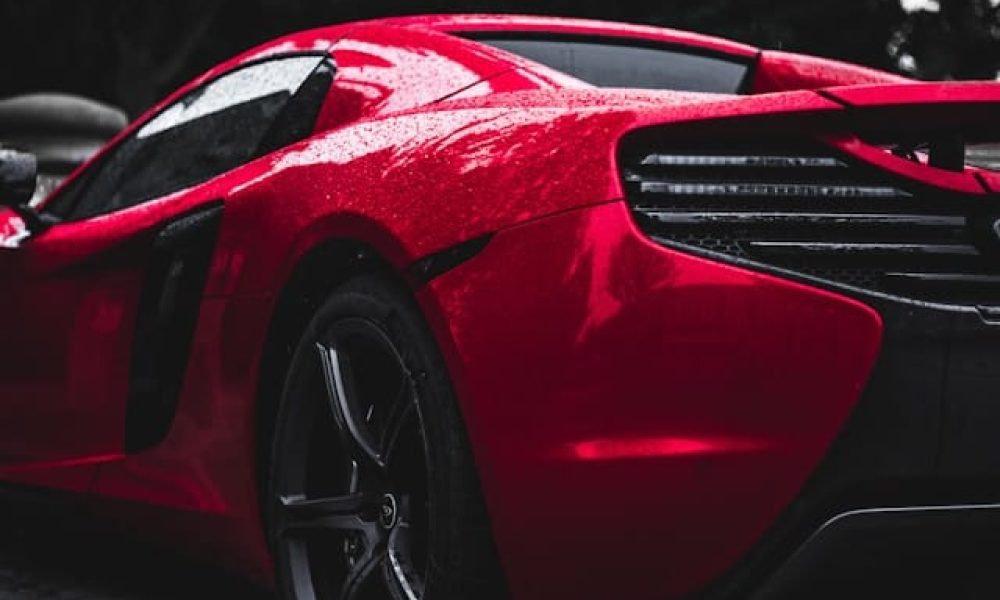
Car collecting is a passion that transcends simple ownership, delving deep into history, engineering, design, and the nostalgia attached to certain vehicles. Whether you’re a seasoned collector or an aspiring enthusiast, understanding the various types of cars that capture the attention of collectors worldwide is crucial. Collecting cars is not merely about finding something rare or expensive but about acquiring vehicles that have historical significance, aesthetic appeal, performance attributes, or sentimental value. Let’s explore the most popular types of cars among collectors and why these vehicles stand the test of time.
Classic Cars
Perhaps the most iconic category in car collecting, classic cars are defined by their age, style, and historical importance. These vehicles, typically manufactured between the 1920s and the 1970s, evoke a sense of nostalgia. Collectors are often drawn to classics because they represent a bygone era of motoring, craftsmanship, and culture.
Cars from the 1950s, such as the Chevrolet Bel Air, Ford Thunderbird, and Cadillac Eldorado, are often top choices due to their unique designs and cultural resonance. Additionally, many classic cars offer the charm of analog driving—free from modern computerized systems—allowing owners to experience the mechanics of driving in its purest form.
Factors like rarity, condition, and originality (the extent to which the vehicle retains its factory components) determine a classic car’s desirability and value. Collectors are also drawn to classic cars for the joy of restoration, making the process of bringing a car back to life as rewarding as owning it.
Muscle Cars
Muscle cars emerged in the 1960s and quickly became symbols of American automotive culture. These vehicles are characterized by their powerful V8 engines, aggressive styling, and straight-line performance. Iconic models such as the Ford Mustang, Chevrolet Camaro, Pontiac GTO, and Dodge Challenger are particularly popular with collectors who seek raw, unbridled horsepower.
The appeal and global love of muscle cars lies not only in their performance but also in their accessibility. Many muscle cars were mass-produced, meaning parts are relatively easy to find for restoration projects. Additionally, muscle cars often hold significant personal value for collectors, especially for those who grew up during the 1960s and 1970s when these vehicles were at their peak.
The resurgence of interest in muscle cars has even sparked new production models, like the modern Dodge Hellcat or Ford Mustang Shelby GT500. However, for many collectors, it’s the original, untouched cars from the golden era of muscle that hold the most value and appeal.
Sports Cars
Sports cars have long been associated with performance, style, and prestige. Cars such as the Porsche 911, Chevrolet Corvette, and Jaguar E-Type represent the pinnacle of driving pleasure and have become staples of any respectable car collection. Collectors appreciate sports cars for their superior engineering, sleek design, and agility on the road.
The Porsche 911, in particular, stands out as one of the most collected sports cars due to its longevity and iconic status. Since its debut in 1964, the 911 has consistently evolved while retaining its distinct rear-engine design, making it a favorite among enthusiasts who appreciate both tradition and innovation.
Similarly, the Chevrolet Corvette, often referred to as “America’s Sports Car,” is highly sought after, especially models from the 1960s and 1970s, such as the Stingray. Its combination of performance and American heritage make it a prized possession.
Collectors of sports cars also gravitate toward limited-production models and those that introduced new technologies or pushed boundaries in design. For example, Ferrari’s supercars, like the F40 or the more modern LaFerrari, are highly coveted due to their rarity, cutting-edge engineering, and association with the legendary Ferrari brand.
Luxury and Prestige Cars
Luxury cars have long been associated with comfort, exclusivity, and high-end craftsmanship. Brands like Rolls-Royce, Bentley, and Mercedes-Benz dominate this category, and collectors often seek models that epitomize opulence and status. Many luxury cars are hand-built or come in limited numbers, further enhancing their allure for collectors.
Rolls-Royce, for example, is a brand that has consistently represented the pinnacle of luxury motoring. The Phantom and Silver Cloud models are particularly popular among collectors due to their timeless design, smooth ride, and painstaking attention to detail in every component.
Mercedes-Benz, particularly the 300SL “Gullwing,” is another luxury car that holds a place in the hearts of collectors. Its iconic doors and advanced engineering for its time make it not only a collector’s dream but also a symbol of 1950s motoring innovation.
Luxury cars aren’t necessarily the fastest or most technically advanced, but their craftsmanship, design, and brand prestige make them highly desirable for collectors who appreciate the finer things in automotive history.
Exotic Cars
Exotic cars, typically produced in limited quantities and often from prestigious brands like Ferrari, Lamborghini, and Bugatti, are known for their extreme performance, cutting-edge technology, and avant-garde designs. These vehicles are not only collector’s items but also pieces of art, often housed in climate-controlled garages and driven only on special occasions.
Ferrari, with models such as the 250 GTO, is one of the most revered brands in the exotic car segment. The 250 GTO is one of the rarest and most valuable cars in the world, with prices reaching over $70 million at auctions. Collectors value the exclusivity, racing pedigree, and performance that Ferrari represents.
Lamborghini, with its dramatic design and powerful engines, also ranks high among exotic car collectors. The Lamborghini Miura, often credited as the first supercar, is a prime example of a car that collectors crave. Its groundbreaking mid-engine layout, sleek looks, and limited production run have made it a true collectible.
These exotic cars often appreciate in value over time, especially models that have historical significance or represent milestones in automotive engineering.
Vintage Cars
Vintage cars, generally defined as vehicles manufactured before World War II, are among the rarest and most coveted by serious collectors. These cars represent the early days of the automobile, when manufacturers were experimenting with design, technology, and mass production. Vintage cars like the Ford Model T, Bugatti Type 35, and Rolls-Royce Phantom I are highly sought after.
The Ford Model T, often regarded as the car that put America on wheels, is especially popular among collectors of vintage automobiles. Its significance in automotive history cannot be overstated, and owning a well-maintained Model T is a point of pride for collectors.
The Bugatti Type 35, meanwhile, is a racing legend, having won over 1,000 races during its prime. Collectors appreciate its lightweight design, advanced engineering for the time, and its association with Bugatti’s illustrious racing heritage.
Collectors of vintage cars often face challenges such as the availability of parts and the expertise required for restoration. However, the allure of owning a piece of automotive history from the early 20th century is often worth the effort.
Japanese Domestic Market (JDM) Cars
In recent years, Japanese Domestic Market (JDM) cars have risen significantly in popularity among collectors. These vehicles, often from the 1980s and 1990s, are known for their reliability, performance, and affordability compared to European and American counterparts. Cars like the Nissan Skyline GT-R, Toyota Supra, Mazda RX-7, and Honda NSX have become highly collectible, particularly due to their representation in pop culture, such as in video games and movies.
The Nissan Skyline GT-R, with its advanced all-wheel-drive system and turbocharged engine, is often referred to as “Godzilla” for its dominance in motorsports. Similarly, the Toyota Supra, made famous by its role in the “Fast and the Furious” franchise, has achieved cult status among collectors and tuners alike.
Collectors of JDM cars often value originality, but there’s also a significant subculture focused on modifying these vehicles for improved performance. The availability of aftermarket parts and the community surrounding JDM cars make them particularly attractive to younger collectors.
Whether a car is appreciated for its rarity, performance, or sentimental value, these vehicles represent more than just modes of transportation—they are rolling pieces of art and history.




