
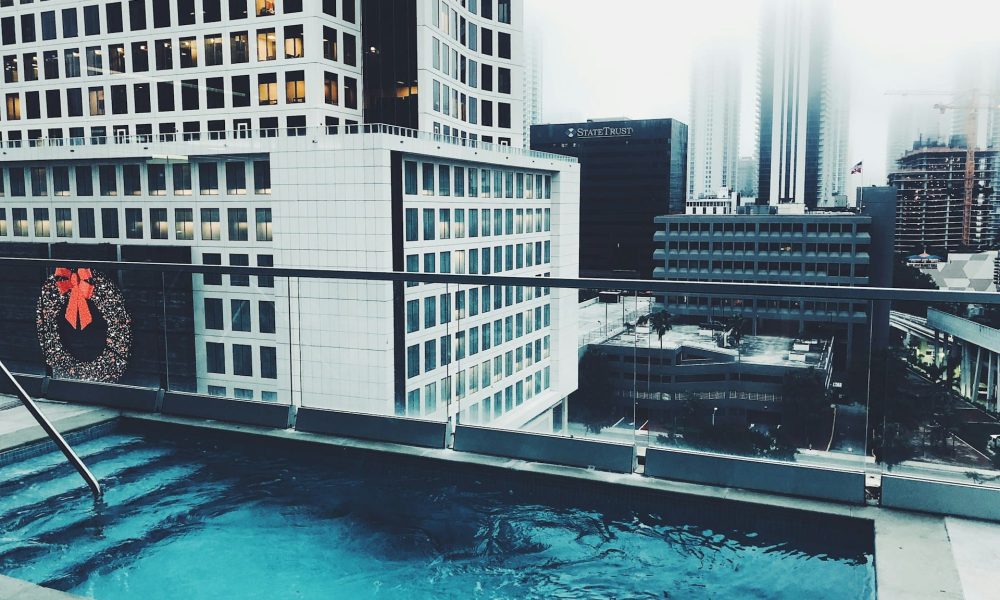
For many homeowners who are lucky enough to have a pool, winter is the time to say goodbye to those lovely afternoon swims and pool parties held during the summer. Here are six ways to make sure the pool survives the winter and is ready for action when the weather warms up again.
1. Don’t Drain the Pool
Some homeowners might be tempted to drain the pool during the winter, since it won’t be used. But pool contractors warn that draining the pool can damage it. The homeowner can lower the level of the water during the winter, however.
2. Clean the Pool
Though the pool isn’t going to be used, it still needs to be cleaned. Twigs, leaves and other debris in the water or stains on the sides or coping are going to be that much harder to get rid of when pool season comes around again.
3. Clean the Filter
As with the pool itself, it’s going to be that much harder to clean the pool’s filter in the summer if it’s not seen to before the winter arrives. Moreover, a dirty filter won’t be able to do its job when pool season returns. The homeowner may even want to replace the pool filter if it is really filthy or worn out.
4. Use Chemicals to Protect the Pool
There are chemicals made specifically for winter pool maintenance, and their use is another reason why a homeowner shouldn’t drain their pool in the winter. They include chemicals that raise the pool’s alkalinity and calcium levels, chemicals to kill algae that would grow in the pool even during cold weather and chemicals to make sure that the water’s pH stays between 7.2 and 7.6. The pool also needs to be shocked with chlorine a few days before it’s closed. Pool contractors recommend that this be done at night, for sunlight causes chlorine to break down. The pool owner should check the water’s chemistry about a month before the pool is going to be used again, and adjust them as necessary.
5. Cover the Pool
After chemicals have been added to the water and the pool has been shocked, it’s time to cover the pool to make sure that debris doesn’t fall into the water and foul it. There are five main kinds of pool covers. There are stretchy mesh covers, solid covers, solar covers, retractable covers and water bag covers. Retractable covers, which are actually part of the pool, are the most expensive, while water bag covers are the least expensive.
6. Should the Pool Pump Be Turned Off?
Experts in pool maintenance are of two minds when it comes to turning off the pump during the winter. Some say that the pump should be turned off for the entire winter, while others claim that the pump should be left on. This keeps the water from freezing and thus damaging the pool if the temperatures go below freezing. One option is to install a pump that can detect freezing temperatures and turn on to keep the water liquid or to just run the pump a few hours a day.
Here are some extra tips to ensure your pool is winter-ready and stays in top condition for next season:
Additional Tips for Winter Pool Care
- Inspect Pool Equipment
Before shutting down for the season, inspect the pool’s equipment, including the pump, heater, and skimmer. Look for signs of wear and tear or any issues that could worsen during winter. Fixing minor problems now will save you from more costly repairs when pool season arrives. - Lubricate Pool O-Rings
Lubricate the O-rings in your pool equipment to keep them from drying out or cracking during the colder months. This simple maintenance step can help extend the life of your equipment and make it easier to get things running smoothly in the spring. - Store Pool Accessories Safely
Remove any pool accessories like ladders, diving boards, floats, and toys, and store them in a dry place. Exposure to cold temperatures can cause materials to crack or degrade, so keeping them in a protected area can save you from replacing them next season. - Monitor Water Level Throughout Winter
Even if you lower the water level before closing the pool, it’s a good idea to keep an eye on it throughout the winter. Excessive rain or snow can raise the water level, which may require draining to prevent overflow. - Keep the Cover Clear of Debris
Regularly check your pool cover and remove any leaves, branches, or heavy snow that may have accumulated. Excess weight can stretch or damage the cover, potentially allowing debris or even animals to enter the pool. - Run the Pump During Extreme Cold
If a particularly cold front moves in, run the pump periodically, or use a freeze guard timer if you live in a region where temperatures frequently dip below freezing. Moving water is less likely to freeze, which can protect your pool’s plumbing from ice damage.
By following these care tips and the ones above, you’ll keep your pool in optimal condition all winter long, making it a breeze to get it ready for swimming season when warm weather returns.




