
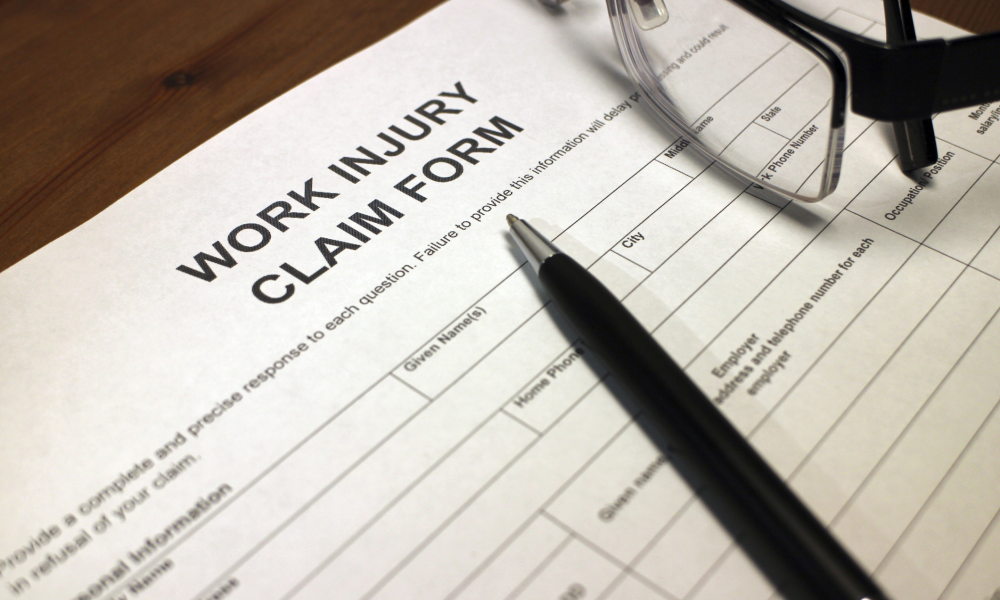
A workers compensation lawyer Roanoke VA injured employees turn to after a workplace accident is navigating a system that’s more complex and more adversarial than most workers expect going in. Virginia’s workers’ compensation system is designed to provide benefits to injured workers without requiring proof of employer fault — which sounds straightforward until the claims process actually begins and employers and their insurers start contesting the claim, disputing the diagnosis, or pushing for an early return to work before the injury has actually resolved. Understanding what workers’ compensation provides, where claims commonly go wrong, and when legal representation makes a meaningful difference is what allows injured workers to protect their rights rather than inadvertently giving them away.
What Virginia Workers’ Compensation Actually Covers
Workers’ compensation in Virginia provides specific categories of benefits to employees who sustain injuries arising out of and in the course of their employment. Medical benefits cover reasonable and necessary treatment for the work injury — doctor visits, diagnostic imaging, surgery, physical therapy, and prescription medications related to the injury. Wage replacement benefits — temporary total disability or temporary partial disability — compensate for lost income when the injury prevents working or limits the type of work the employee can perform.
Permanent partial disability benefits are available when the injury results in permanent impairment of specific body parts, calculated according to a schedule established by the Virginia Workers’ Compensation Commission. In the most serious cases — catastrophic injury, permanent total disability, or death — additional benefit categories apply with their own calculation methods and duration limits.
What workers’ compensation doesn’t provide is compensation for pain and suffering or the full spectrum of damages available in a personal injury lawsuit — which is the tradeoff the system makes for providing benefits without requiring proof of fault. In situations where a third party rather than the employer caused the injury, a personal injury attorney can evaluate whether a separate civil claim exists alongside the workers’ compensation claim.
Reporting Requirements and Why They Matter
Virginia workers’ compensation has specific reporting requirements that affect claim eligibility in ways that catch injured workers off guard. The injury must be reported to the employer — and the claim filed with the Virginia Workers’ Compensation Commission — within specific timeframes that vary by injury type. Failing to report promptly or failing to file within the applicable deadline can result in loss of benefit eligibility regardless of how clear the work-relatedness of the injury is.
This is one of the earliest points where workers compensation lawyer Roanoke VA involvement protects injured employees — ensuring that reporting and filing requirements are met correctly and on time rather than discovering eligibility issues after the deadline has passed.
Where Claims Commonly Get Disputed
Employers and their workers’ compensation insurers dispute claims at several predictable points in the process — and knowing where those disputes are most likely to arise helps injured workers understand why legal representation matters before problems develop rather than after.
Causation is a frequent dispute point — the insurer arguing that the injury isn’t work-related, that a pre-existing condition rather than the work incident is responsible for the current symptoms, or that the treatment being recommended isn’t related to the compensable injury. Medical management disputes arise when the insurer contests treatment recommendations from the treating physician, requires an independent medical examination, or pushes for a return to work capacity that the treating physician hasn’t authorized.
Wage replacement calculations are disputed when the insurer uses an average weekly wage calculation that doesn’t accurately reflect the employee’s actual earnings — which affects every weekly benefit payment for the duration of the claim. A workers compensation lawyer who identifies an incorrect wage calculation at the beginning of the claim recovers significantly more for the injured worker than one who addresses it months later after underpayment has accumulated.
The Independent Medical Examination Problem
One of the most consequential tools employers and insurers use in Virginia workers’ compensation claims is the independent medical examination — requiring the injured worker to be examined by a physician of the insurer’s choosing whose opinion frequently differs from the treating physician’s. IME physicians in the workers’ compensation context are selected by insurers and produce opinions that often support return to work, denial of treatment, or reduced impairment ratings.
Understanding how to respond to an IME requirement, what the examination findings actually establish legally, and how to present the treating physician’s opinion against an unfavorable IME opinion requires the kind of workers’ compensation-specific knowledge that a workers compensation lawyer Roanoke VA brings to the representation. IME opinions that go unchallenged can significantly damage a claim’s value even when they don’t accurately reflect the injured worker’s actual condition.
Returning to Work and Light Duty Considerations
The return to work phase of a workers’ compensation claim is where many injured workers inadvertently give up benefits they’re still entitled to. When an employer offers a light duty position that the treating physician has approved the employee to perform, refusing that position without valid medical grounds can result in suspension of wage replacement benefits. Accepting a light duty position that exceeds the actual physical restrictions is a different problem — potentially aggravating the injury while creating a record that undermines the wage replacement claim.
Navigating the return to work process correctly — evaluating whether a light duty offer actually fits within medical restrictions, understanding when modified duty requirements can be declined, and protecting wage replacement benefits through the transition — is one of the most practically valuable things a workers compensation lawyer Roanoke VA provides during an active claim.
Permanent Disability and the Claim’s Final Resolution
When maximum medical improvement is reached — the point where the treating physician determines that further recovery isn’t expected — the workers’ compensation claim moves toward resolution of any permanent impairment benefits and the negotiation of a potential settlement. Virginia’s workers’ compensation settlement process involves commutation of future benefits into a lump sum, and the terms of that settlement have lasting financial implications.
Getting legal guidance on whether a proposed settlement adequately compensates for the permanent impairment, the future medical needs related to the injury, and any remaining wage replacement benefits is what the final phase of a workers’ compensation claim requires — and it’s where having a personal injury law firm Roanoke VA that understands workers’ compensation settlement dynamics produces the most direct and measurable financial benefit for the injured worker.




