Motor vehicle collisions are a leading cause of injury in the United States, but crashes involving large commercial trucks tend to be far more devastating than typical passenger car accidents. The size, weight, and operational differences between trucks and cars create a dangerous imbalance that often results in catastrophic injuries or fatalities. Understanding why truck accidents cause more severe injuries than car crashes can help drivers appreciate the risks on the road and recognize the complex factors that contribute to these serious incidents.
The Size and Weight Disparity Between Trucks and Cars
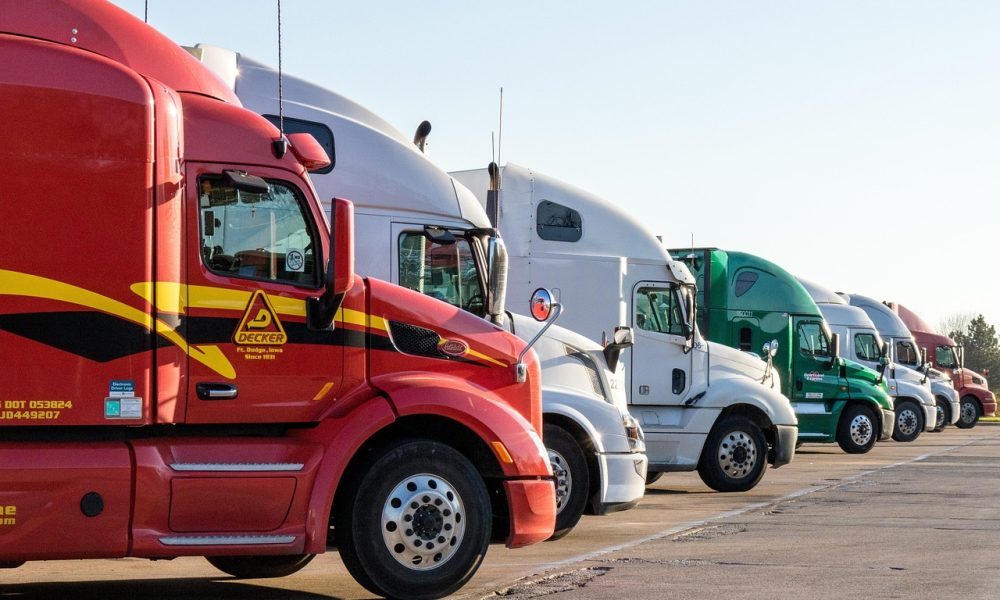
One of the most significant reasons truck accidents lead to severe injuries is the massive difference in size and weight between commercial trucks and passenger vehicles.
How Weight Affects Impact Force
A fully loaded tractor-trailer can weigh up to 80,000 pounds, while the average passenger car weighs around 3,000 to 4,000 pounds. In a collision, this weight disparity dramatically increases the force exerted on smaller vehicles. The laws of physics dictate that heavier vehicles transfer more energy during impact, which means occupants of lighter cars absorb much of the crash force. This often results in crushing injuries, traumatic brain injuries, and damage to vital organs.
Structural Mismatch and Underride Accidents
Passenger vehicles are designed with crumple zones to absorb impact, but these safety features are often ineffective in truck crashes. In many cases, cars can slide underneath a truck’s trailer, leading to underride accidents. These collisions are especially dangerous because the top of the car may be sheared off, exposing occupants to direct impact and significantly increasing the risk of fatal injuries.
Higher Ride Height and Reduced Visibility
Commercial trucks sit much higher off the ground than standard cars, which introduces additional hazards during a crash.
Blind Spots and Limited Maneuverability
Large trucks have extensive blind spots, commonly referred to as “no-zones,” on all sides of the vehicle. When drivers of smaller cars linger in these areas, truck drivers may not see them when changing lanes or turning. Combined with the truck’s limited ability to maneuver quickly, this lack of visibility can lead to high-speed side-impact or rear-end collisions that cause severe injuries.
Elevated Point of Impact
Because trucks ride higher, the point of impact in a collision is often higher on a passenger vehicle’s frame. Instead of hitting reinforced areas designed to protect occupants, trucks may strike windows or the upper cabin. This increases the likelihood of head, neck, and spinal cord injuries, which are often life-altering or fatal.
Longer Stopping Distances Increase Crash Severity
Stopping distance is another critical factor that explains why truck accidents tend to be more severe than car crashes.
Braking Limitations of Large Trucks
Due to their size and weight, trucks require much more distance to come to a complete stop. Even under ideal conditions, a fully loaded truck traveling at highway speeds may need the length of a football field or more to stop safely. If traffic suddenly slows or stops, a truck driver may be unable to brake in time, resulting in high-speed rear-end collisions.
Chain-Reaction Crashes
When a truck is involved in a collision, the force can push multiple vehicles into one another, causing multi-car pileups. These chain-reaction crashes increase the number of injured victims and often result in severe trauma due to repeated impacts.
Cargo-Related Hazards in Truck Accidents
The cargo a truck carries can significantly influence the severity of injuries in an accident.
Shifting or Falling Cargo
Improperly secured cargo can shift during transit, affecting the truck’s balance and increasing the risk of rollovers. In a crash, cargo may spill onto the roadway or strike other vehicles, causing additional injuries. Heavy or sharp cargo can penetrate car cabins, leading to catastrophic harm.
Hazardous Materials
Some trucks transport flammable, toxic, or corrosive materials. When accidents involve these hazardous substances, the risk extends beyond the initial collision. Fires, explosions, or chemical exposure can cause severe burns, respiratory injuries, or long-term health complications for drivers, passengers, and even nearby residents.
Driver Fatigue and Regulatory Challenges
Human factors play a major role in the severity of truck accidents.
Long Hours and Fatigue
Truck drivers often work long hours to meet delivery deadlines, which can lead to fatigue. A fatigued driver has slower reaction times, impaired judgment, and a higher likelihood of making critical errors. When an exhausted truck driver causes a crash, the resulting impact is often violent due to the vehicle’s size and speed.
Federal Oversight and Safety Standards
Commercial trucking is regulated at the federal level, with rules governing driver hours, vehicle maintenance, and safety practices. Agencies such as the Federal Motor Carrier Safety Administration help establish and enforce these standards to reduce accidents and injuries. However, when regulations are ignored or poorly enforced, the risk of severe crashes increases.
Common Injuries in Truck Accidents
The injuries sustained in truck accidents are often more serious and long-lasting than those in car crashes.
Traumatic Brain and Spinal Cord Injuries
The force of a truck collision can cause occupants to strike their heads or experience violent whiplash, leading to traumatic brain injuries or spinal cord damage. These injuries may result in permanent disability, cognitive impairment, or paralysis.
Crush Injuries and Internal Organ Damage
Because trucks can crush smaller vehicles, occupants may suffer severe fractures, internal bleeding, and organ damage. These injuries often require extensive medical treatment, multiple surgeries, and long-term rehabilitation.
Legal and Financial Consequences of Severe Truck Injuries
Beyond the physical harm, truck accidents often have profound financial and legal implications for victims and their families.
Higher Medical Costs and Long-Term Care
Severe injuries typically mean higher medical bills, extended hospital stays, and ongoing therapy. Victims may be unable to return to work, leading to lost income and financial instability.
Complex Liability Issues
Truck accident cases are often more complex than car crash claims. Multiple parties may be involved, including the truck driver, trucking company, cargo loaders, and maintenance providers. Victims often seek guidance from experienced legal professionals, such as The Schiller Kessler Group truck accident lawyer, to help navigate these complexities and pursue compensation.
Additional information about the firm can be found through this legal profile, which outlines their background and practice focus.
Why Awareness Matters for All Drivers
Understanding why truck accidents cause more severe injuries than car crashes is essential for everyone on the road. Passenger vehicle drivers can reduce risk by avoiding truck blind spots, maintaining safe following distances, and driving defensively around large commercial vehicles. Trucking companies and regulators must continue emphasizing safety, proper training, and compliance with federal standards set by organizations like the Federal Motor Carrier Safety Administration.
Conclusion
Truck accidents are uniquely dangerous due to the massive size and weight of commercial vehicles, their higher ride height, longer stopping distances, and the potential hazards associated with cargo and driver fatigue. These factors combine to create collisions that are far more likely to result in severe or fatal injuries than typical car crashes. By understanding these risks and promoting safer driving practices and regulatory compliance, drivers and industry stakeholders alike can help reduce the devastating impact of truck accidents on America’s roads.