
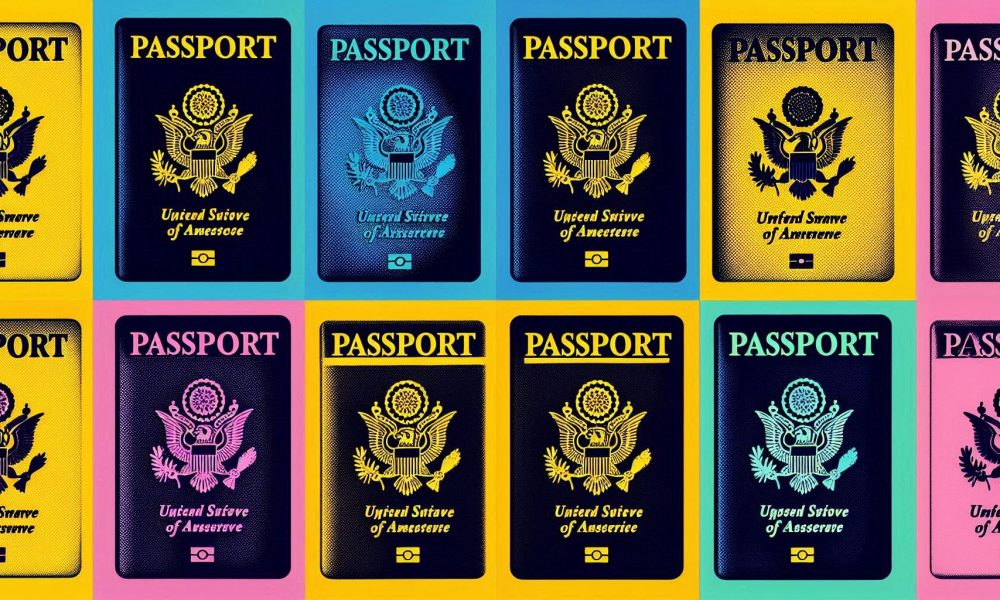
VANCOUVER, Canada — Across Canada and the United States, travelers are increasingly confronted with the hidden risks of identity scams originating from the dark web. Advertisements on encrypted forums and chat groups promise driver’s licenses, passports, green cards, and Nexus cards “ready to use.”
Vendors insist that these documents are indistinguishable from government-issued IDs and can be used to bypass airport gates, border crossings, and banking checks. The reality is starkly different. Dark web identities often fail in the real world, and for Canadian and American travelers, the consequences can be severe, including detention, seizure of documents, blackmail, or criminal charges. The scams do not create freedom. They create exposure, financial ruin, and long-term legal problems.
The Lure of Dark Web IDs
On popular dark web marketplaces, Canadian and U.S. documents rank among the most advertised. Counterfeit Ontario and British Columbia driver’s licenses are sold to underage buyers seeking access to alcohol or clubs. Fake U.S. state licenses are marketed to undocumented workers.
Vendors claim to have insider access to DMV systems or Service Canada records, often displaying sample images with holograms and barcodes. Nexus cards, which grant expedited border passage, are falsely offered for thousands of dollars. Passport scans with supposedly valid NFC chips are promoted as “airport-ready.” These offers are crafted to exploit desperation, but none of them survive scrutiny at ports of entry or financial institutions.
Case Study: U.S. Student Blackmailed
In 2023, a 19-year-old American student purchased what he thought was a Canadian driver’s license to use in Ontario bars. After receiving a digital template and a poorly printed card, he realized it would not pass verification. Days later, the vendor contacted him again, threatening to send his purchase records to his university unless he paid additional money.
The student panicked and transferred cryptocurrency. The extortion continued for months until his parents intervened. The supposed license never worked, and the scam left the student in debt and under disciplinary review. This case demonstrates the extortion cycle that traps young buyers.
Airport Security Reality
At Canadian and U.S. airports, document authentication technology renders counterfeit IDs useless. The Transportation Security Administration in the United States and the Canadian Air Transport Security Authority use Credential Authentication Technology to scan driver’s licenses and passports.
These systems verify barcodes and chips against federal databases in real-time. A dark web license or passport may appear convincing in hand, but it collapses instantly when scanned. NFC chips that are not signed with valid keys trigger automatic rejections. Barcodes that do not match government records display as errors. Secondary inspection follows, and travelers attempting to pass through with fake documents are detained.
Case Study: Canadian Traveler Flagged in Preclearance
In 2024, a Canadian traveler attempted to board a flight to the United States from Vancouver International Airport using a counterfeit U.S. green card purchased online. At U.S. preclearance, officers scanned the card, which failed to authenticate. The traveler was referred to secondary inspection, where biometric checks revealed no match in Department of Homeland Security systems.
The card was seized, and the traveler was denied entry. Further investigation revealed that the green card had been purchased for several thousand dollars on an encrypted forum. The traveler also faced questioning by Canadian authorities, who warned of potential criminal charges for possessing a fraudulent document.
Cross-Border Cooperation
Canadian and U.S. authorities operate closely integrated systems. The Canada Border Services Agency, the U.S. Customs and Border Protection, and the Transportation Security Administration share watchlists, biometric data, and document fraud alerts. The Nexus program, which provides expedited entry to trusted travelers, is a joint initiative between Canada and the United States.
Any attempt to use counterfeit Nexus cards is treated as a breach of binational security. Travelers flagged in one country are often denied entry to the other. Dark web vendors cannot override this infrastructure. When Canadian or American travelers present fraudulent documents, both countries’ systems record the incident, creating lasting barriers to mobility.
Case Study: Nexus Card Arrest
In 2023, a U.S. traveler attempted to cross into Canada at a land border using a counterfeit Nexus card purchased on the dark web. At secondary inspection, officers scanned the card against the Nexus database. No record existed. The traveler was arrested, and the counterfeit was confiscated.
The incident was shared across CBSA and CBP systems, resulting in a permanent ban from the Trusted Traveler Program. The man later faced charges in a U.S. court for possession of a fraudulent document. A $2,000 purchase intended to expedite border crossings ended in detention, charges, and the loss of future travel privileges.
Driver’s License Scams in North America
Driver’s licenses are among the most commonly advertised documents on the dark web. In Canada, provincial licenses are targeted, with vendors claiming to provide scannable barcodes. In the United States, state licenses are marketed for underage use or employment. But modern verification technology renders these fakes useless.
Police run license plates through databases during traffic stops. Rental agencies verify licenses against state records. Airports scan barcodes that must match official records. Surface-level counterfeits can bypass none of these checks. Buyers are left with seized cards and, in many cases, face criminal charges.
Case Study: Seizure During Traffic Stop
In 2024, an Ontario driver presented a counterfeit provincial license that had been purchased online when stopped for speeding. The officer scanned the barcode with a patrol car system, which flagged the license as invalid. The driver was arrested, and the permit was confiscated. Investigators later determined the license had been bought for $600 in cryptocurrency.
The driver faced charges for possession of a forged instrument and driving without a valid license. Insurance coverage was voided, and fines mounted. What began as an attempt to avoid licensing requirements ended with severe penalties.
The Illusion of Anonymity
Vendors assure buyers that transactions are untraceable because they occur on encrypted forums and use cryptocurrency. However, both Canadian and U.S. law enforcement agencies conduct undercover operations, and blockchain analytics can track Bitcoin and other cryptocurrencies.
Marketplace servers are seized, and vendor databases expose buyers’ details. Cases have shown that buyers are often unmasked months later when investigators build cases for prosecution. The belief in anonymity fuels demand, but in reality, each purchase creates a digital trail that leads to exposure.
Case Study: U.S. Buyer Caught in Sting
In 2023, Homeland Security Investigations infiltrated a dark web marketplace selling U.S. driver’s licenses. Agents posed as vendors and sold counterfeit IDs to dozens of buyers. One purchaser, a resident of Michigan, was later arrested when he attempted to use the license at a bank.
Evidence presented in court included transaction records, wallet addresses, and communication logs from the sting operation. The buyer pleaded guilty to possessing a fraudulent document and paid substantial fines. The case demonstrates how U.S. authorities turn supposed anonymity into prosecution.
Financial Institution Verification
Canadian and U.S. banks use advanced KYC systems that scan driver’s licenses and passports against government databases. In Canada, the Financial Transactions and Reports Analysis Centre monitors suspicious applications. In the United States, financial institutions file Suspicious Activity Reports when they detect fraud. Counterfeit IDs purchased on the dark web always fail these checks.
Applicants face account freezes, blocklisting, and possible referral to law enforcement. Buyers seeking financial access often discover that their attempts can destroy credibility with banks for years to come.
Case Study: Bank Account Denial in Canada
In 2024, a man in Toronto attempted to open an account using a counterfeit Quebec driver’s license that he had purchased online. The bank’s system flagged the document as invalid, and staff reported the incident to FINTRAC.
Law enforcement followed up, and the man was charged with attempted fraud. His name was entered into internal banking watchlists, effectively barring him from opening new accounts. A purchase of a few hundred dollars on the dark web cascaded into long-term financial exclusion.
Legal Consequences Across Borders
Both Canada and the United States treat possession of counterfeit IDs as serious crimes. In Canada, charges may include forgery, fraud, and possession of counterfeit documents, carrying prison terms. In the United States, federal law criminalizes the production and possession of false identification, with penalties including imprisonment and fines.
Travelers caught with counterfeit IDs may also face permanent bans from entering the other country. The cross-border nature of cooperation ensures that offenders cannot escape scrutiny by crossing jurisdictions.
Case Study: Cross-Border Blacklist
In 2023, a U.S. citizen attempted to enter Canada with a counterfeit passport card purchased online. Detected at secondary inspection, the card was seized, and the traveler was denied entry. The information was shared with U.S. border authorities, who flagged the individual for further monitoring.
Months later, the traveler was arrested in the United States for attempting to use the same counterfeit card at a bank. The case showed how Canadian and U.S. agencies coordinate to track and prosecute offenders.
Why Travelers Still Take the Risk
Despite frequent failures, demand persists. Some buyers are students seeking underage access. Others are individuals with suspended licenses or immigration challenges. A few attempt to hide past convictions or debts. Vendors exploit this demand, promising solutions they cannot deliver.
The result is predictable. Counterfeit documents collapse at verification, buyers face extortion or arrest, and the promise of a shortcut becomes a costly trap. The persistence of these scams reflects not their effectiveness, but the desperation of those who fall for them.
The Safer Alternatives
For Canadian and U.S. travelers, lawful solutions exist. Renewing or replacing your passport through official channels ensures its validity. Driver’s license reinstatement, while requiring compliance, is the only sustainable option. Truste traveler programs, such as Nexus, provide expedited border crossing for those who qualify, but only through a legitimate process and application.
Legal name changes, residency processes, and citizenship applications are available for those seeking new beginnings. The dark web offers none of these. Instead, it delivers exposure, loss, and prosecution.
Conclusion: Exposure, Not Freedom
For Canadian and U.S. travelers, dark web ID scams are not tools of freedom but engines of ruin. Airports, land borders, and banks deploy technology that ensures counterfeit IDs fail. Law enforcement runs undercover operations that turn anonymity into evidence. Vendors extort buyers who cannot complain.
Cross-border cooperation ensures that detection in one country leads to penalties in the other. The hidden cost is measured in lost money, legal trouble, bans, and reputational collapse. The lesson is clear: there are no shortcuts to valid identification. For travelers seeking mobility and opportunity, only lawful processes provide real outcomes.
Contact Information
Phone: +1 (604) 200-5402
Signal: 604-353-4942
Telegram: 604-353-4942
Email: [email protected]
Website: www.amicusint.ca




