
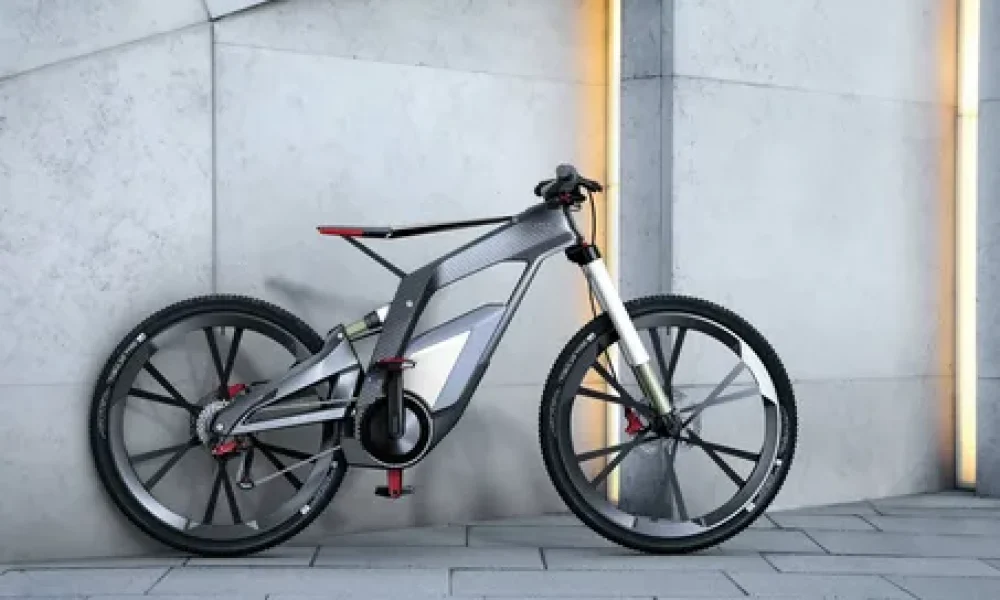
The global Electric Bike (e-Bike) Market is entering a transformative growth phase, projected to expand from USD 54.7 billion in 2025 to USD 124.6 billion by 2035, achieving a robust CAGR of 8.5%. This acceleration reflects a global shift toward sustainable, low-emission mobility solutions supported by policy incentives, rapid technological innovation, and evolving consumer preferences.
As cities worldwide intensify efforts to reduce carbon emissions and traffic congestion, electric bikes have emerged as one of the fastest-growing mobility categories. Their expanding role in personal transportation, recreation, and commercial logistics positions e-Bikes at the forefront of the next decade’s mobility revolution.
Strong Global Momentum Driven by Technology and Policy Support
Electric bikes have evolved beyond niche commuter vehicles into a mainstream, multi-utility mobility solution. Governments across Europe, North America, and Asia-Pacific are offering tax credits, infrastructure investment, and low-emission transport mandates to accelerate adoption. These policy incentives coincide with technological advancements including longer-lasting batteries, high-efficiency motors, regenerative braking systems, and integration of intelligent features such as GPS connectivity, app-based locking, and real-time diagnostics.
Lightweight frames, enhanced power-to-weight ratios, and foldable designs are broadening appeal among urban and suburban commuters alike. The introduction of next-generation solid-state batteries and smart IoT-enabled systems is expected to further enhance reliability, range, and user experience over the forecast period.
Subscribe for Year-Round Insights → Stay ahead with quarterly and annual data updates
https://www.futuremarketinsights.com/reports/sample/rep-gb-4683
Regional Insights: North America, Europe, and Asia Lead Market Expansion
North America is witnessing escalating adoption as cities address congestion, parking shortages, and rising fuel prices. Policymakers in the U.S. and Canada are expanding bike-friendly lanes and incentivizing e-bike purchases, while logistics providers increasingly deploy e-cargo bikes for last-mile delivery. High-performance models with smart connectivity are gaining traction among tech-savvy consumers.
Europe remains the global leader in e-Bike penetration, supported by strong cycling culture, comprehensive cycling infrastructure, and aggressive decarbonization targets. Nations such as Germany, the Netherlands, and France continue to drive demand for premium pedelecs, advanced motor systems, and cargo e-bikes optimized for urban logistics. The region’s regulatory alignment and commitment to 2030 emission-reduction targets will sustain strong long-term growth.
Asia-Pacific represents the epicenter of global production and consumption. China maintains its lead with advanced battery technologies, competitive manufacturing, and mass adoption among commuters and delivery fleets. Increasing urbanization and government-backed clean mobility programs across India, Japan, South Korea, and Southeast Asia are further strengthening the region’s dominance. Digital payment adoption and the expansion of shared e-Bike programs are expected to fuel additional growth.
Key Market Challenges: Battery Costs, Safety Standards, and Infrastructure Gaps
While the industry outlook is highly positive, several challenges require strategic focus. Battery-related issues—including limited range, overheating risks in low-cost models, and high replacement costs—remain a top concern. Regulatory inconsistencies across countries, particularly regarding speed limits and e-Bike classifications, complicate cross-border manufacturing and compliance.
Infrastructure gaps, including insufficient bike lanes and secure parking facilities, continue to hinder adoption in many urban zones. Addressing these constraints through coordinated policy support, technological advancement, and investment in safe cycling environments will be pivotal to market acceleration through 2035.
Opportunities: Smart Mobility Integration and Commercial Adoption Surge
The convergence of e-Bikes with IoT and emerging smart city ecosystems presents considerable opportunity. Technologies such as GPS-enabled theft detection, remote diagnostics, ride analytics, and predictive maintenance are transforming e-Bikes into connected mobility platforms. These advancements support new business models including subscription services, fleet leasing, and micro-mobility platforms.
The commercial sector represents another high-growth frontier. E-cargo bikes are rapidly becoming indispensable for food delivery, postal services, and urban logistics, offering cost savings and faster delivery in congested cities. Retailers, e-commerce companies, and logistics operators are increasingly deploying purpose-built utility e-Bikes designed for load-carrying efficiency and extended durability.
Product Landscape: Pedelecs Lead Global Demand
Pedal-assisted e-Bikes (pedelecs) continue to dominate global sales due to their energy efficiency, natural riding experience, and regulatory acceptance across Europe and Asia. Their appeal extends from daily commuters to long-distance riders seeking range optimization and fitness benefits.
Throttle-controlled e-Bikes, favored for convenience and motor-driven acceleration, remain popular in North America and emerging markets for commuting and delivery applications. Ongoing improvements in battery management and smart throttling controls are expected to strengthen their regulatory compliance and market adoption.
Personalize Your Experience: Ask for Customization to Meet Your Requirements
https://www.futuremarketinsights.com/customization-available/rep-gb-4683
Competitive Landscape: Innovation and Integration Drive Leadership
The global market remains competitive, with leading companies emphasizing technological integration, manufacturing efficiency, and diversified product portfolios. Top contributors include:
- Giant Manufacturing Co. Ltd. (14–17%) – Specializing in integrated batteries and motors, lightweight performance frames, and a broad global distribution footprint.
- Accell Group (11–14%) – Strong European leadership with premium commuter and mountain e-Bike brands incorporating advanced drive systems.
- Yamaha Motor Co., Ltd. (9–12%) – A pioneer in electric assist systems with emphasis on regenerative braking, torque sensors, and compact powertrains.
- Trek Bicycle Corporation (7–10%) – Known for digitally connected models featuring advanced drive technologies and strong traction in North America and Europe.
A Decade of Expansion Ahead
Between 2025 and 2035, the electric bike market will remain a crucial pillar of the global transition toward cleaner, more efficient mobility ecosystems. With rising urbanization, climate-driven policies, and expanding commercial use cases, e-Bikes are positioned to become a mainstream mobility solution across continents.
The next decade will be defined by smart connectivity, high-density urban logistics, and sustainable mobility frameworks—areas where electric bikes will continue to play a transformative role.
About Future Market Insights (FMI)
Future Market Insights, Inc. (FMI) is an ESOMAR-certified, ISO 9001:2015 market research and consulting organization, trusted by Fortune 500 clients and global enterprises. With operations in the U.S., UK, India, and Dubai, FMI provides data-backed insights and strategic intelligence across 30+ industries and 1200 markets worldwide.
Why Choose FMI: Empowering Decisions that Drive Real-World Outcomes: https://www.futuremarketinsights.com/why-fmi



