
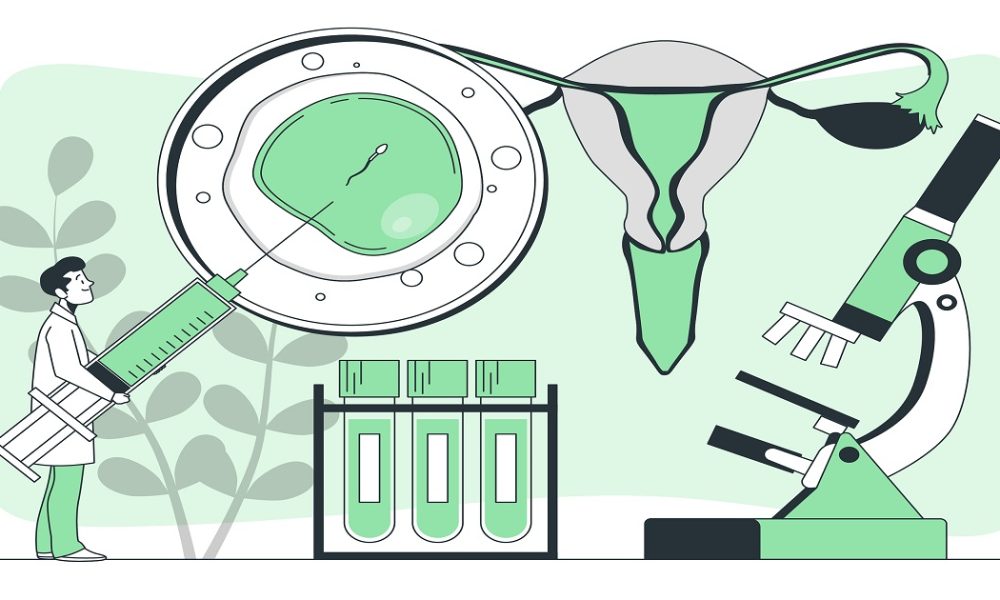
The U.S. assisted reproductive technology (ART) market has witnessed steady expansion in recent years, driven by a combination of rising infertility rates, technological advancements, and evolving societal trends. This market encompasses a wide array of treatments designed to help individuals and couples overcome fertility challenges and achieve their parenthood goals. ART procedures such as in vitro fertilization (IVF), intracytoplasmic sperm injection (ICSI), cryopreservation, and genetic testing are at the forefront of this industry. As the demand for assisted reproductive solutions grows, key innovations and patient-centric care continue to drive the market forward.
Market Overview
The U.S. ART market is projected to experience significant growth from an estimated value of USD 10.5 billion in 2026 to USD 14.8 billion by 2033. This growth is anticipated at a compound annual growth rate (CAGR) of 5.1% from 2026 to 2033. Several factors contribute to this upward trajectory, including increasing infertility rates, a cultural shift towards delayed parenthood, and a growing awareness of fertility preservation options. These factors have collectively enhanced the demand for ART treatments across the U.S., making it one of the largest and most rapidly evolving markets globally.
Among the most popular and widely adopted ART procedures, in vitro fertilization (IVF) remains the dominant technique, followed closely by intracytoplasmic sperm injection (ICSI) and cryopreservation. However, emerging treatments, such as Frozen Embryo Transfer (FET), are expected to experience rapid growth in the coming years. Fertility centers are the leading end-users in this market, benefiting from specialized expertise, technological advancements, and increased patient volumes, while hospitals and research institutes play an important supporting role. Geographically, the Northeast U.S. holds the largest share of the ART market, primarily driven by strong insurance mandates and a dense network of fertility clinics.
Download Your Free Sample & Explore Key Insights: https://www.persistencemarketresearch.com/samples/34680
Key Highlights from the Report
• Market Size (2026E): USD 10.5 billion
• Market Value Forecast (2033F): USD 14.8 billion
• Projected Growth (CAGR 2026-2033): 5.1%
• Dominant ART Procedure: In vitro fertilization (IVF)
• Fastest-Growing Technique: Frozen Embryo Transfer (FET)
• Leading End-user: Fertility Centers
Market Segmentation
The U.S. ART market is segmented based on various factors, including product type, end-user, and technique. Each segment plays a critical role in the market’s growth and diversification.
By Technique
The dominant technique in the ART market remains in vitro fertilization (IVF), which has been the go-to procedure for couples facing infertility issues. IVF has proven to be highly effective for a wide range of infertility causes, from male factor infertility to female reproductive challenges. The process involves fertilizing an egg outside the body and then implanting it into the woman’s uterus. IVF has seen numerous advancements, including the use of preimplantation genetic testing (PGT) to screen embryos for chromosomal abnormalities and cryopreservation for storing embryos for future use.
Intracytoplasmic sperm injection (ICSI) is another prominent ART technique that is widely used, especially in cases where male factor infertility is a concern. ICSI involves injecting a single sperm into an egg to facilitate fertilization, ensuring that even men with low sperm count or poor sperm quality can father children.
Cryopreservation, which involves freezing eggs, sperm, or embryos, has gained increasing traction, particularly for fertility preservation. This technique is especially popular among women opting for elective egg freezing due to delayed parenthood or medical conditions such as cancer.
By End-user
Fertility centers dominate the U.S. ART market, owing to their specialized services and tailored treatment plans. These centers are equipped with advanced technology and dedicated staff to offer comprehensive fertility solutions, including diagnostics, IVF cycles, cryopreservation, genetic testing, and counseling. Fertility clinics are also known for providing personalized care, with customized treatment plans that increase the chances of success for patients.
Hospitals and research institutes also play a vital role in the U.S. ART market, supporting the development of new technologies, conducting clinical research, and offering ART services in combination with other medical specialties. However, fertility centers remain the core hub for ART services due to their focused expertise and infrastructure.
Regional Insights
Northeast U.S. Market Trends
The Northeast U.S. leads the country in terms of ART market growth, driven by factors such as comprehensive insurance mandates, high-quality medical infrastructure, and a strong presence of leading medical research institutions. States like Massachusetts and New York are at the forefront of ART adoption, with Massachusetts offering extensive insurance coverage for IVF and related treatments. This policy significantly reduces the financial burden on patients, making ART more accessible to a broader population.
Additionally, the Northeast is home to some of the world’s most prestigious academic medical centers, such as Harvard-affiliated hospitals in Boston and top research hubs in New York City. These institutions drive innovation in reproductive medicine, which further boosts the region’s dominance in the ART market.
Southeast U.S. Market Trends
The Southeast U.S. is experiencing rapid growth in ART procedures, particularly in states like Florida and Georgia. IVF remains the most common treatment, but elective egg freezing has also gained popularity due to the increasing trend of women delaying parenthood for career and lifestyle reasons. This cultural shift has led to a rise in demand for fertility preservation services, especially in urban areas like Miami and Atlanta.
Male infertility solutions, particularly ICSI, are becoming more widely used in states like North Carolina and Tennessee. As awareness of male infertility grows, more couples are seeking ART services to address these challenges.
Get Custom Insights Designed for Your Business: https://www.persistencemarketresearch.com/request-customization/34680
Market Drivers
Several key drivers are fueling the growth of the U.S. ART market. The most significant factor is the rising infertility rates in the U.S., which are contributing to a higher demand for ART treatments. Both male and female infertility are increasingly common, and many couples are turning to ART solutions such as IVF and ICSI to overcome these challenges. Additionally, the increasing adoption of elective egg freezing has expanded the market, with more women opting to delay childbirth due to career and personal reasons.
Technological advancements in ART, including improved cryopreservation techniques, AI-driven embryo selection, and time-lapse embryo imaging, are enhancing success rates and improving patient outcomes. These innovations are not only making ART more effective but also more accessible to patients nationwide.
Market Restraints
Despite the positive growth outlook, the U.S. ART market faces several challenges. One of the most significant restraints is the ethical concerns surrounding ART procedures, particularly embryo selection, genetic testing, and the use of donor sperm and eggs. These issues raise regulatory concerns and can slow the adoption of newer technologies.
Moreover, the demand for donor eggs and sperm has outpaced supply, resulting in a shortage of viable donors. The process of egg donation requires invasive medical procedures, which discourages potential donors. Similarly, sperm donation is also facing declining participation, particularly among younger men, due to privacy concerns and more stringent screening regulations.
Uneven access to ART services is another major challenge. Many advanced fertility clinics are concentrated in large urban centers, leaving rural patients underserved. Additionally, the high cost of ART treatments can be prohibitive for many couples, especially those without insurance coverage or access to affordable financing options.
Market Opportunities
Oncofertility preservation programs present a promising opportunity for growth in the U.S. ART market. These programs, which focus on providing fertility preservation services to cancer patients, are expanding rapidly. Each year, approximately 90,000 adolescents and young adults in the U.S. are diagnosed with cancer, and many of these individuals face fertility risks due to their treatments. However, fewer than half of these patients are informed about their fertility preservation options. Expanding oncofertility programs that offer services such as egg freezing, sperm banking, and ovarian tissue preservation can help address this gap and ensure that cancer survivors retain the possibility of parenthood in the future.
Several leading medical centers, including MD Anderson, UCSF, and UConn’s Center for Advanced Reproductive Services, are spearheading these initiatives, providing cancer patients with the opportunity to safeguard their fertility before undergoing cancer treatments. With improved survival rates for cancer patients, the demand for fertility preservation services is expected to continue growing, presenting significant opportunities for the ART market.
Checkout Now & Download Complete Market Report: https://www.persistencemarketresearch.com/checkout/34680
Company Insights
Key players in the U.S. ART market include:
• The Fertility Institutes
• Shady Grove Fertility
• Pacific Fertility Centre
• Boston IVF
• Cleveland Clinic Fertility Centre
• Reproductive Medicine Associates of New Jersey (RMANJ)
• Columbia University Fertility Centre
• Mayo Clinic Fertility Centre
• Texas Fertility Centre
• UCSF Centre for Reproductive Health
Recent Developments
Overture Life opened its Dallas facility in October 2025, offering non-invasive embryo-assessment testing with machine-learning support to inform embryo selection without a biopsy.
Conceivable Life Sciences secured $50 million in Series A funding in September 2025 to accelerate the development of its AI-powered automated IVF laboratory platform.
Conclusion
The U.S. assisted reproductive technology market is poised for robust growth over the coming years, driven by advances in medical technology, rising infertility rates, and increasing cultural acceptance of non-traditional family planning options. While the market faces challenges related to ethical concerns, donor shortages, and uneven access, opportunities such as oncofertility preservation programs present significant growth potential. Fertility centers will continue to lead the market, leveraging innovations in ART procedures to provide patients with more successful and personalized treatment options.




