
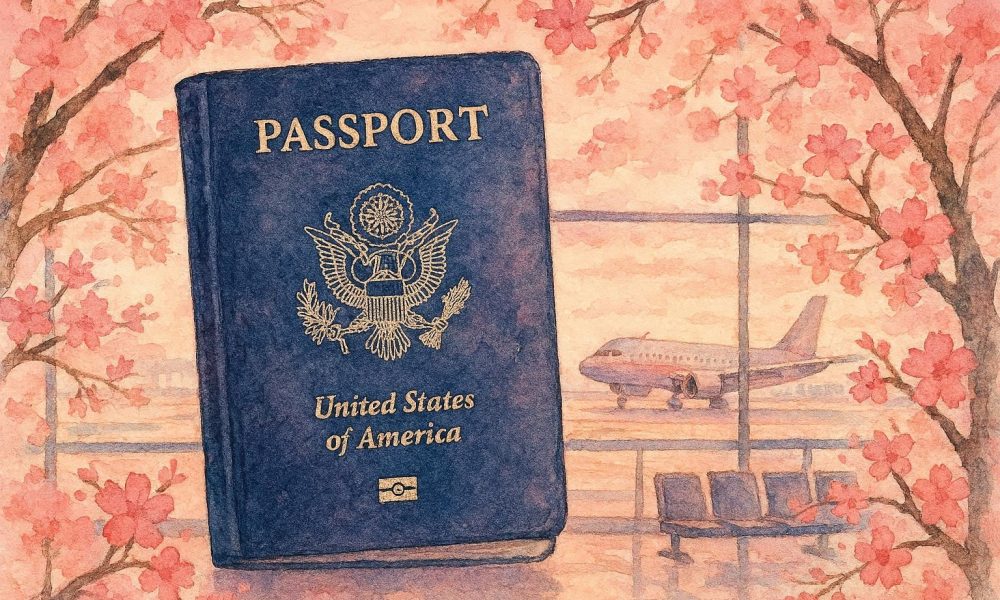
Status symbols with immunity perks are drawing renewed scrutiny as diplomatic passports, ambassadorial titles, and sovereign branding come under a harsher spotlight from border authorities, compliance teams, investigative journalists, and governments worried about the quiet monetization of state prestige.
WASHINGTON, DC, April 18, 2026
What critics increasingly call “paper citizenship” is not really about belonging to a nation in the civic, constitutional, or cultural sense, because the product being pursued is often a portable layer of official prestige that can soften scrutiny, accelerate introductions, and create the appearance of sovereign legitimacy in rooms where perception still shapes outcomes before facts are completely checked.
The term has gained force because a series of investigations, leaks, and enforcement concerns have suggested that certain diplomatic titles and state-linked travel documents may have drifted, in some cases, from instruments of public representation into elite accessories that can be privately acquired, strategically displayed, and quietly used to influence how institutions react to wealth, movement, and political exposure.
That anxiety became much harder to dismiss after reporting such as the Al Jazeera Investigative Unit’s undercover work pushed long-whispered allegations into mainstream view, suggesting that diplomatic appointments and passport-linked privileges were being discussed in ways that made sovereign honors sound uncomfortably close to private inventory for sale.
What makes the subject so politically explosive is not only the idea that a title may be traded for money, campaign support, or influence, but the public fear that diplomacy itself is being repackaged into a premium mobility product for wealthy outsiders who want the appearance of being difficult to question.
The real product is often not immunity, but hesitation.
For high-net-worth individuals operating across sensitive jurisdictions, the attraction is obvious because a diplomatic passport, an ambassador-at-large title, or a state-linked role can instantly alter the tone of an interaction with airport officers, private banks, compliance desks, conference hosts, wealth managers, and government officials who may become more cautious the moment official-looking documentation appears.
In many cases, that caution is the commodity that matters most, because even where immunity is narrow, conditional, or absent altogether, the appearance of state affiliation can still buy something highly valuable, namely time, deference, and reluctance by institutions to escalate difficult questions until somebody with greater authority reviews the matter.
That is why prestige documents appeal so strongly to elites who already understand that modern scrutiny is often administrative before it is legal, meaning that a softer first reaction, a delayed compliance review, or a more respectful checkpoint encounter can produce advantages long before any court ever has to decide whether real diplomatic protection exists.
The mythology surrounding these documents is therefore commercially powerful because many buyers, or alleged buyers, do not need universal immunity to justify the purchase if what they are really acquiring is a new way of being received by a world that still responds to hierarchy, ceremony, and official symbolism.
The law is far narrower than the legend.
That distinction matters because the actual legal framework for immunity is much tighter than popular imagination suggests, and U.S. government guidance on diplomatic and consular status makes clear that recognition, accreditation, and official function remain central, rather than the passport cover alone or the ceremonial weight of an impressive title.
In other words, a diplomatic passport may appear authoritative and indeed be state-issued, but that does not automatically transform its holder into a legally protected diplomat for every purpose in every jurisdiction, especially where the receiving state has not recognized the individual as holding a genuine official role.
That gap between appearance and recognition is the heart of the scandal, because the private market value of “paper citizenship” often depends on public confusion, allowing prestige to masquerade as law and buyers to treat sovereign branding as a simple, portable shield against ordinary scrutiny.
The more sophisticated operators may understand this perfectly well, which is precisely why the schemes are so difficult to confront rhetorically, because the people seeking these documents may not actually believe in magical immunity at all and may instead be paying for something subtler, more modern, and often more useful, namely procedural hesitation.
When a border officer hesitates, a banker escalates more slowly, or a counterparty assumes that some ministry somewhere has already done the necessary vetting, the holder has already extracted value from the document, whether or not the strongest legal claims behind it would survive real scrutiny.
Small states do have legitimate reasons to use flexible diplomatic structures.
It would be too simple, and often unfair, to portray every unusual diplomatic appointment as inherently corrupt, because many Caribbean and African nations operate with modest diplomatic budgets, limited foreign-service capacity, and a practical need to extend their reach through nonresident envoys, special representatives, trade promoters, and ambassador-at-large roles.
A small country seeking investment, commercial access, multilateral visibility, or diaspora engagement may rationally appoint people with private networks and international access rather than rely entirely on a small, overextended ministry that cannot maintain a conventional diplomatic footprint in every capital or sector that matters.
That reality is important because flexible representation can be lawful, useful, and sometimes necessary, particularly where a government genuinely needs help opening doors in places where traditional embassies, permanent missions, and career diplomats are too few to cover the workload effectively.
The problem begins when the public purpose becomes opaque, because once selection criteria vanish from view, reporting lines grow weak, and the holder appears to have no meaningful state function beyond carrying prestige into private transactions, the appointment begins to look less like diplomacy and more like reputational armor.
That is the moment when legitimate sovereign discretion starts to resemble a premium service for wealthy outsiders, and it is exactly why allegations of shadow diplomacy are so corrosive even where officials deny wrongdoing and insist that their systems remain lawful.
The market thrives on ambiguity, not clarity.
The commercial attraction of paper citizenship lies in the space between what the law actually grants and what institutions fear it might grant, because in practice, many people confronted with official-seeming documents will tread carefully before challenging a traveler who presents himself as linked to sovereign business.
That caution can be especially valuable in sectors already burdened by sanctions risk, politically exposed money, disputed source-of-funds narratives, cross-border asset movement, and intense due-diligence pressure, where even a slight change in tone can affect how aggressively questions are asked.
In this environment, the passport or title becomes a signaling device that moves the holder from the category of ordinary private wealth into the category of potentially sensitive official presence, and that shift can be useful even if the legal substance underneath is conditional, fragile, or far less impressive than the marketing suggests.
This is why critics say the market is not really selling immunity in the strict sense, but rather a state-branded atmosphere of caution in which institutions become slower to challenge, slower to report, and slower to treat the holder like a private person with ordinary obligations and no protective symbolism.
The phrase “paper citizenship” captures the phenomenon well because it describes a status that mimics belonging and authority while functioning more like a thin layer of political theater designed to absorb the initial shock of scrutiny.
African and Caribbean scandals turned a quiet concern into a wider governance issue.
While Caribbean allegations drew intense attention because of their combination of glamour, mobility, and small-state vulnerability, African passport controversies also revealed how sovereign documentation could become entangled with patronage, external influence, and private gain in ways that worried compliance professionals far beyond the issuing countries themselves.
Reporting on Comoros, for example, raised serious questions about how diplomatic and national documents could be issued or marketed to non-nationals under circumstances that appeared detached from ordinary public purpose, which in turn pushed the story out of regional politics and into the realms of sanctions screening, anti-corruption enforcement, and cross-border financial risk.
Once those stories enter the global compliance system, they rarely remain isolated because banks, investigative desks, politically exposed person databases, and border authorities begin to preserve names, patterns, and jurisdictional suspicions for years after the original scandal has faded from public headlines.
That means the damage is not only immediate or political, but structural, because every allegation that sovereign honors have been monetized weakens the credibility of future appointments, burdens legitimate diplomats with suspicion, and reduces trust in the issuing country’s administrative seriousness.
Even lawful representatives can then inherit reputational debt they did not create, simply because their passports, titles, or letters of appointment are issued by jurisdictions that have already been accused of treating state dignity as an elite marketplace.
The distinction between real diplomatic function and prestige for sale is now more important than ever.
As Amicus International Consulting has noted in its review of diplomatic passports and immunity, the critical issue is recognized status and host-country acceptance rather than the mere possession of a special passport, which sharply undermines the simplistic fantasy that a diplomatic document automatically creates universal legal insulation.
A similar caution appears in its analysis of honorary consul roles, which explains that ceremonial or limited-representative positions do not create a magical corridor out of the criminal process, financial scrutiny, or host-country law whenever the holder is acting outside genuine official duties.
Those points matter because they reveal how prestige markets exploit misunderstanding, selling an aura of untouchability even where the actual legal architecture is narrow, conditional, and dependent on whether a receiving state is prepared to recognize the person as something more than a private individual carrying unusual papers.
In effect, the seller benefits from the glamour of diplomacy, the buyer benefits from the confusion surrounding diplomacy, and the public absorbs the damage when legitimate diplomatic institutions become harder to trust because too many people suspect the symbolism can be bought.
The higher cost may be reputational collapse for the issuing state.
Once a government becomes associated with the sale, barter, or opaque distribution of diplomatic status, every legitimate envoy from that country may face added skepticism, every special appointment becomes harder to defend, and every passport issued under unusual circumstances invites uncomfortable questions about motive, oversight, and national interest.
That reputational drag does not remain confined to foreign ministries, because it spills into citizenship programs, anti-money-laundering assessments, banking relationships, visa confidence, foreign investment narratives, and the broader international perception of whether the country can exercise sovereign discretion without quietly monetizing it.
For small jurisdictions already managing structural economic pressures, that kind of mistrust can become expensive because credibility is one of the few forms of capital that cannot be quickly replaced once foreign partners, regulators, and journalists begin to assume that official honors are available to those with enough money or leverage.
That is why the debate around paper citizenship is larger than a passport scandal or a handful of controversial appointments: it goes to the core question of whether sovereignty is being exercised as a public trust or repackaged as a discreet luxury service for people seeking insulation from the sharper edges of modern oversight.
What comes next depends on transparency.
If governments want to protect the legitimacy of real diplomatic representation, they will need clearer registries of appointments, more visible distinctions between accredited diplomats and ceremonial envoys, tighter publication of selection criteria, and more accessible ways for foreign authorities to verify whether a title reflects an actual state function.
Without those reforms, the market will continue to exploit the same psychological truth that has made these documents so attractive for decades, namely that in airports, banks, boardrooms, and politically sensitive negotiations, appearance often begins working long before the law is asked to speak.
That is ultimately why “paper citizenship” has become such a potent phrase, because it describes a modern elite commodity made from state symbols, legal ambiguity, and the enduring global belief that people who appear official are still treated differently from everyone else.




