
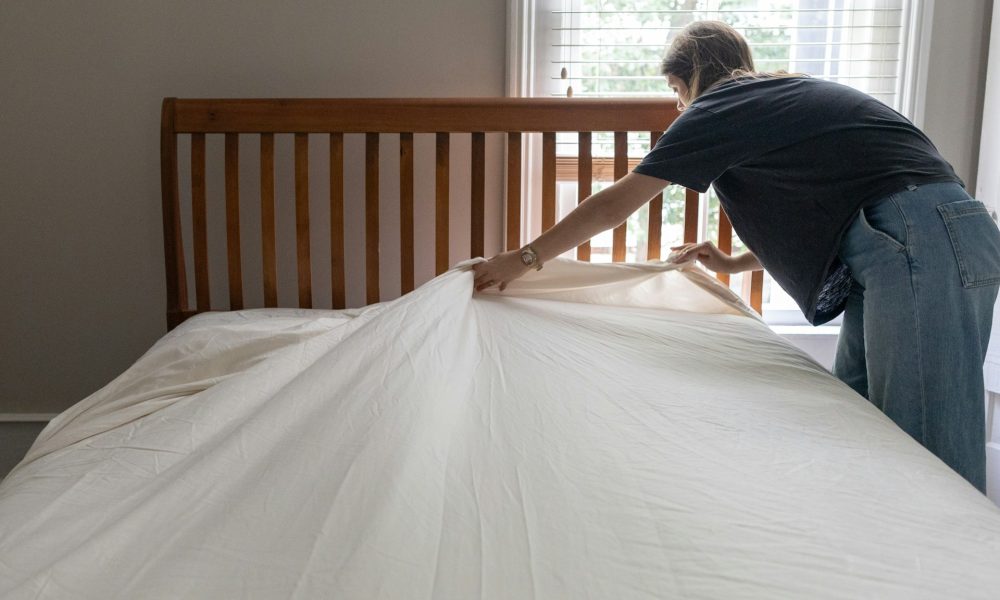
Choosing the perfect mattress topper can greatly enhance your sleeping experience, offering additional comfort and support where needed. Among the options available, a mattress topper queen is particularly popular due to its ideal fit for a standard queen-sized bed. This guide will provide insights into various types of mattress toppers and essential factors to consider when making your selection.
Understanding Mattress Toppers
Mattress toppers are essentially padding that is placed on top of a mattress to increase comfort levels. They are available in various thicknesses and materials, each offering distinct advantages and disadvantages. A well-chosen mattress topper can transform the quality of your sleep by providing added cushioning and support.
Types of Mattress Toppers
It is important to understand the different types of mattress toppers available in the market. The most common types include memory foam, latex, wool, feather, and polyester blends. Each type differs in its support, firmness, and heat retention capabilities, impacting how it meets specific sleeping preferences.
Memory Foam Toppers
Memory foam toppers conform to the body’s shape, providing personalised support and relief for pressure points. This type is well-suited for individuals who suffer from joint pain or require extra cushioning.
Latex Toppers
Latex toppers are known for their resilience and elasticity, offering a firmer feel and quick recovery to their original shape. They are a good choice for those who prefer a natural product as they are often made from natural rubber.
Wool Toppers
Wool toppers provide a plush, soft surface that helps regulate body temperature, keeping you warm in the winter and cool in the summer. They are breathable and hypoallergenic, making them ideal for allergy sufferers.
Feather Toppers
Feather toppers are soft and luxurious, providing a cloud-like sleeping experience. However, they may not offer the same level of support as other materials, making them more suitable for those who do not experience much back pain.
Polyester Blend Toppers
These are often a budget-friendly option, synthetic and available in a variety of firmness levels. They might not offer the durability of other materials but are suitable for short-term use or guest rooms.
Factors to Consider When Choosing a Mattress Topper
There are several important factors to consider when selecting the right mattress topper. These include the firmness preference, thickness, material, and any specific needs for allergies or pressure relief.
Firmness Level
Firmness is a key factor to consider, as it affects both comfort and support. Side sleepers often prefer softer toppers, while back or stomach sleepers might benefit from firmer options.
Thickness
The thickness of a mattress topper can range from 2 to 8 centimetres or more. Thicker toppers provide more cushioning, which can be advantageous for older mattresses.
Material Hypoallergenic Properties
For individuals with allergies, choosing hypoallergenic materials such as latex or wool is crucial. These materials can help minimise allergic reactions during sleep.
Pressure Relief
Pressure relief is especially important for those with joint or back pain. Memory foam and latex are often recommended for their ability to alleviate pressure points.
FAQ: Choosing the Perfect Mattress Topper
1. What is the main purpose of a mattress topper?
A mattress topper adds an extra layer of comfort and support to your existing mattress. It can soften a firm bed, improve spinal alignment, and extend the life of your mattress by reducing direct wear and tear.
2. How do I know if I need a mattress topper?
If your mattress feels too firm, uneven, or uncomfortable but is still in good condition, a topper can enhance comfort without requiring a full mattress replacement. It’s also useful for adjusting firmness levels to match your sleeping style.
3. What’s the difference between a mattress topper and a mattress pad?
A mattress topper is thicker and designed to alter comfort and support, while a mattress pad is thinner and primarily adds a small cushion layer or protects against spills and allergens.
4. Which type of mattress topper is best for back pain?
Memory foam and latex toppers are ideal for back or joint pain. They contour to your body’s shape, supporting natural spinal alignment and relieving pressure points.
5. Are mattress toppers suitable for all sleeping positions?
Yes, but the ideal firmness depends on your sleep style:
Side sleepers: Softer toppers (like memory foam or feather) reduce shoulder and hip pressure.
Back sleepers: Medium-firm toppers (like latex or hybrid blends) promote balanced support.
Stomach sleepers: Firmer toppers maintain spinal alignment and prevent sagging.
6. How thick should a mattress topper be?
Thickness typically ranges between 2 to 8 cm. Thinner toppers (2–4 cm) slightly adjust comfort, while thicker ones (5–8 cm) provide deeper cushioning and are better for older or firmer mattresses.
7. Are memory foam toppers too hot to sleep on?
Traditional memory foam can retain heat, but modern designs often include cooling gels or ventilation holes to enhance airflow. If you’re prone to overheating, consider latex or wool alternatives for better temperature regulation.
8. Can mattress toppers help with allergies?
Yes. Hypoallergenic materials such as latex, wool, or certain polyester blends resist dust mites, mold, and other allergens, making them suitable for sensitive sleepers.
9. How do I clean and maintain my mattress topper?
Most toppers come with removable, washable covers. For the core material, spot-clean with mild detergent and let it air dry. Always follow the manufacturer’s care instructions to preserve longevity.
10. How long does a mattress topper last?
A quality topper can last between 3 to 5 years, depending on material and care. Rotating it periodically and using a mattress protector can help extend its lifespan.
Final Thought:
A well-chosen mattress topper can transform your sleep comfort without the cost of a new mattress. Whether you’re upgrading an aging bed or seeking targeted support, investing in the right material and firmness—such as a mattress topper queen—can make all the difference for restful, rejuvenating sleep




