
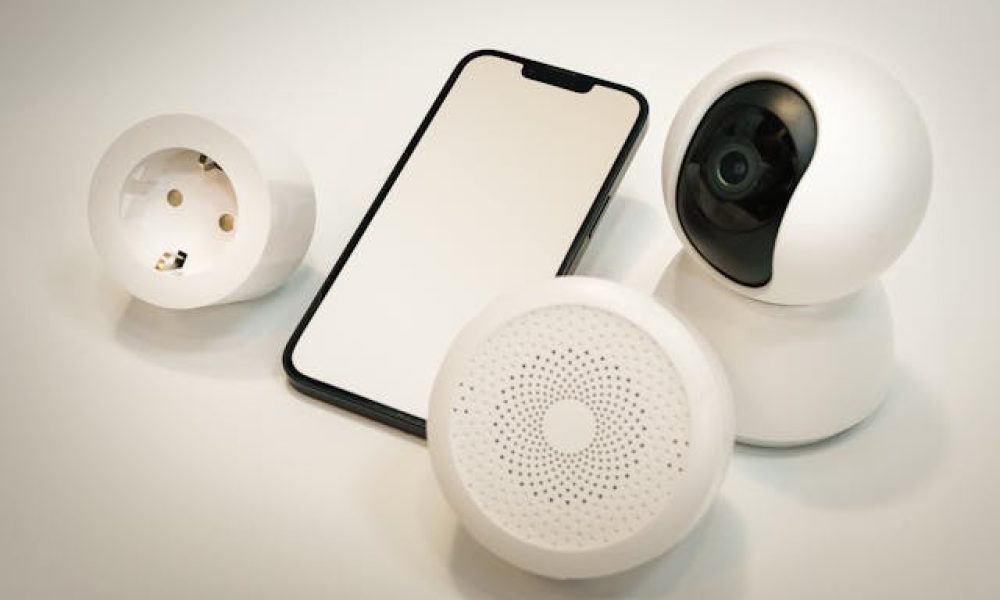
The Sneaky Side of Smart Devices
We all love our smart devices. From voice assistants to smart doorbells and connected thermostats, the Internet of Things (IoT) makes life easier and cooler. But there’s a side of these gadgets that doesn’t get talked about enough. While they make everyday life more convenient, they also open the door to some serious security risks. That’s because most IoT devices aren’t designed with security in mind.
If you live in a place like Lincoln, Nebraska and you’re setting up a smart home or smart office, you might start by looking for reliable internet providers Lincoln has to offer. A strong connection is great, but if you don’t also think about IoT security, you could be inviting trouble without even realizing it.
Why IoT Devices Are Easy Targets
Unlike your laptop or phone, most IoT devices don’t have built-in security features. You can’t exactly download antivirus software onto your smart fridge or security camera. Many of these devices come with default usernames and passwords that users never change. Some even ship with malware already installed. Once connected, these devices transfer data across the internet, often without encryption. That makes them easy prey for hackers.
Cyber attackers love IoT devices because they are typically unmonitored. Once they get access, they can spy on your activities, steal personal data, or even use your devices as part of a larger attack, like a botnet that targets other systems. And since these gadgets don’t usually alert you when something suspicious happens, you may not even know you’ve been compromised until it’s too late.
The Role of Network Security
Since you can’t secure most IoT devices directly, the next best line of defense is the network they connect to. Strong network security becomes your first and sometimes only shield against IoT threats. This is why many experts recommend separating your IoT devices from your main network.
Creating a separate network, often called a guest network, for your IoT devices means that even if one device is compromised, the attacker doesn’t get access to your primary devices like your computers or smartphones where sensitive data is stored. Many modern routers offer this feature and it only takes a few extra minutes to set up.
Strong Passwords Still Matter
This might sound obvious, but weak passwords are one of the easiest ways hackers gain access. Many IoT devices come with default logins that are easily found online. Changing those defaults is one of the simplest ways you can secure your devices.
Use strong, unique passwords for every device. Password managers can help you keep track of them without needing to memorize every single one. Avoid using the same password across multiple devices or accounts, as one breach can quickly turn into many.
Keep Devices Updated
Firmware updates often include critical security patches. Unfortunately, many people set up their devices and then forget about them. Not every device will automatically update itself, so it’s important to check regularly for updates from the manufacturer.
If a device no longer receives updates, that’s a red flag. Unsupported devices become riskier over time because any new vulnerability discovered won’t be patched. If your device is no longer supported, it might be time to consider replacing it.
Be Cautious with What You Connect
It’s tempting to connect every new gadget to your network, but not all devices are created equal. Before adding something new, consider whether it actually needs to be connected to the internet. Does your coffee maker really need remote access? The fewer devices you connect, the smaller your attack surface.
It’s also smart to research brands before buying new IoT gadgets. Look for companies that prioritize security and provide regular updates. Some cheaper or lesser-known brands may cut corners on security to save costs, making them a bigger risk in the long run.
Monitor Your Network
Even with strong security measures, it’s a good idea to regularly monitor your network. Many routers and security systems allow you to see which devices are connected and how much data they’re using. If you notice a device behaving strangely, like using a lot of data at odd hours, it could be a sign that something’s not right.
There are also specialized network monitoring tools and services that can help alert you to unusual activity. While these tools may seem more advanced, many are becoming more user-friendly and affordable, even for personal use.
The Growing Threat of IoT Botnets
One of the scariest things about unsecured IoT devices is their role in botnet attacks. Hackers take control of thousands or even millions of vulnerable devices and use them together to launch massive attacks on websites, networks, or even critical infrastructure. These types of attacks are called Distributed Denial of Service (DDoS) attacks.
Even if you think your individual device isn’t important, it could still be hijacked and used as part of a much larger attack. This is why securing every device matters, not just for your own safety, but for the wider internet community as well.
Educating Everyone in the Household or Office
Security isn’t just about technology. The people using the devices play a big role too. Make sure everyone in your household or office understands the basics of IoT security. Teach them not to click on suspicious links, not to share passwords, and to report any odd behavior from devices.
When everyone is aware of the risks, your overall security posture improves. Even simple habits like unplugging devices you’re not using can reduce exposure.
Conclusion: Smart Devices Need Smart Security
The convenience of IoT devices is undeniable. They make life easier, more efficient, and even more fun. But that convenience comes with responsibility. Since most IoT devices are built without strong security, it’s up to users to take extra steps to protect themselves.
By focusing on network security, using strong passwords, keeping devices updated, and staying aware of unusual activity, you can enjoy all the benefits of your smart devices without sacrificing your privacy and safety. As technology keeps evolving, being proactive about IoT security is one of the smartest moves you can make.




