
Discovering a puddle under your kitchen sink or waking up to a flooded basement is an immediate shot of pure adrenaline. Your first instinct is to grab every towel in the house and soak up the standing water as fast as physically possible. While getting rid of the visible puddle is a great first step, the real danger is what happens to the moisture left behind. Water quickly seeps under baseboards, into the carpet padding, and up the paper backing of your drywall. Once that happens, a silent and highly destructive biological clock starts ticking.
If you do not completely dry the structural materials of your home within a very tight window, you are going to face a massive fungal infestation. To stop this threat before it destroys your property and ruins your indoor air quality, bringing in a professional home restoration company to properly extract the hidden moisture is your best bet. But just how fast does this nightmare actually spread? Read on to discover the exact timeline of how mold takes over your house after a plumbing leak and why speed is your absolute best defense.
The First 24 Hours: The Silent Setup
To understand how quickly mold grows, you have to realize that you are already living with it. Microscopic mold spores are floating in the air of every single home, perfectly dormant and completely harmless in low concentrations. They are just waiting for the right conditions to strike.
Those conditions require three things to happen simultaneously: a comfortable temperature, an organic food source like the cellulose in your wood framing or drywall, and a steady supply of moisture. When a pipe bursts or a roof leaks, that final ingredient is suddenly introduced. During the first twenty-four hours after a leak, the water heavily saturates your porous building materials. The dormant spores circulating in your HVAC system settle onto these wet surfaces and begin to grow. You will not see anything wrong yet, and your walls might just look a little damp, but the biological activation sequence has officially started.
24 to 48 Hours: The Germination Phase
This is the absolute most critical window in the entire water damage timeline. Right around the forty-eight-hour mark, those settled spores begin to germinate and grow tiny, microscopic roots known as hyphae. These roots aggressively burrow down into the microscopic pores of your wood and drywall, searching for deeper moisture and nutrients to feed the growing colony.
At this stage, the mold is still largely invisible to the naked eye, but your nose might start picking up on the problem. As the fungi begin to digest your home, they release volatile organic compounds. This creates that distinct, heavy, musty odor that smells like wet dirt or a damp basement. If you have completely dried the surface of your floor but your living room suddenly smells very earthy a day later, the mold has already taken hold inside your wall cavity.
3 to 12 Days: The Visible Outbreak
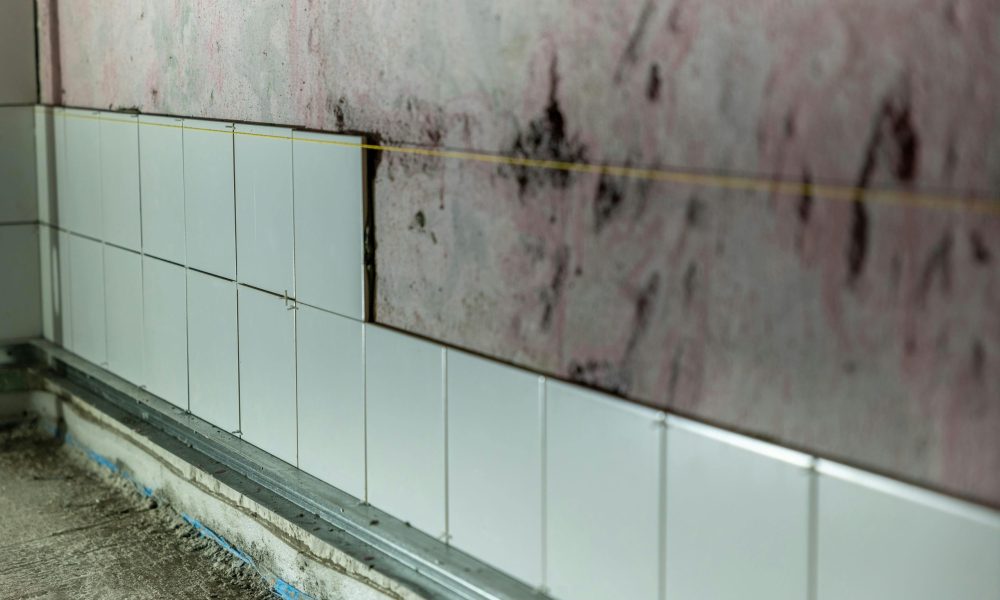
If the hidden moisture is not professionally extracted by the third day, the mold colony will explode into plain sight. You will start to notice small, fuzzy patches or dark, pepper-like spots spreading across your ceiling, creeping up from your baseboards, or shadowing your grout lines.
Depending on the specific type of mold and the materials it is eating, these patches can be deep black, powdery white, or dark green. At this point, the roots are firmly established deep inside the material, meaning you can no longer just wipe the surface clean. Scrubbing the wall with a wet sponge will only remove the top layer of the fungus while leaving the massive root system completely intact and ready to regrow within a matter of days.
Two Weeks and Beyond: Total Colonization
If a water leak goes unnoticed for a couple of weeks, perhaps behind a heavy bookcase or underneath a guest bathroom vanity, the mold colony will reach full maturity. At this late stage, the mold is no longer just eating your drywall; it is actively destroying the structural integrity of the wood framing holding your house together. The wood will become soft, spongy, and severely compromised.
More importantly, a mature colony begins to reproduce. It releases millions of fresh, toxic spores directly into your indoor air supply. Breathing in these heavy concentrations of mycotoxins can cause severe respiratory distress, chronic headaches, and intense allergic reactions for your family. A localized plumbing leak has now become a massive environmental health hazard that requires a highly regulated, full-scale professional remediation to resolve safely.
Why DIY Fails and Speed Wins
The biggest mistake property owners make is underestimating the speed of this timeline and overestimating their own cleaning supplies. When you see a dark spot on the wall three days after a leak, grabbing a bottle of bleach is a terrible move. Standard household bleach is mostly water. When you spray it onto a porous surface like drywall, the chemical chlorine evaporates almost instantly, but the water soaks right into the wall. You are literally just feeding the deep-rooted mold more of the exact moisture it needs to survive.
Beating mold requires beating the forty-eight-hour clock. You have to remove the water and completely dry the structural materials before the spores ever have a chance to germinate. Professional extraction teams use heavy-duty truck-mounted vacuums, commercial dehumidifiers, and high-velocity air movers to pull the hidden water out from behind the walls and under the floorboards fast. By manipulating the indoor humidity and applying specialized antimicrobial treatments to the exposed framing, they effectively shut down the environment that mold needs to survive.
Bring in a Professional Mold Service
Water damage is an incredibly time-sensitive emergency. You do not have the luxury of waiting a few days to see if a damp carpet will dry out on its own. The microscopic spores floating in your home are highly opportunistic, and they will claim your wet drywall within two days. By understanding this aggressive timeline, you can prioritize rapid extraction and professional drying immediately after a leak, stopping the devastating spread of mold before it even has a chance to ruin your home.