
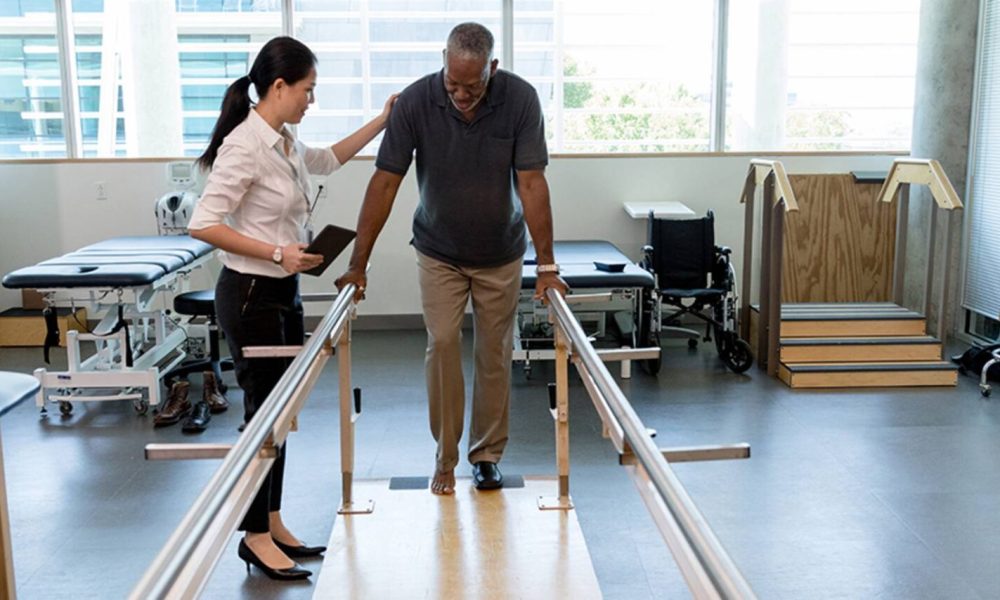
The global stroke rehabilitation market is witnessing substantial growth as the prevalence of stroke continues to rise worldwide. Stroke, recognized as the second leading cause of death and the third leading cause of disability, has placed an enormous burden on healthcare systems globally. According to Persistence Market Research, the stroke rehabilitation market is projected to grow from a valuation of US$ 328.3 million in 2025 to US$ 594.9 million by 2032, registering a robust CAGR of 8.9% over the forecast period. The market’s expansion is driven by the increasing adoption of advanced rehabilitation devices, rising awareness about post-stroke recovery, and the integration of technology-enabled rehabilitation solutions such as electrical stimulators, robotic devices, and virtual reality-based therapy programs.
The market is heavily dominated by electrical stimulators, which accounted for nearly two-thirds of the market value at US$ 212.4 million in 2024. Ischemic stroke remains the most prevalent stroke type, representing approximately 85.9% of cases globally, thereby creating substantial demand for specialized rehabilitation solutions. North America emerges as the leading geographical region in this market, particularly the U.S., which held 92.3% of the regional market share in 2024. The dominance of the U.S. is primarily attributed to the high incidence of stroke, well-established healthcare infrastructure, and increasing investment in post-stroke care and rehabilitation technologies. Europe, led by Germany, is another key market, supported by a strong rehabilitation ecosystem and advanced medical facilities.
Download Your Free Sample & Explore Key Insights: https://www.persistencemarketresearch.com/samples/33088
Key Highlights from the Report
• The global stroke rehabilitation market is expected to reach US$ 594.9 million by 2032.
• Electrical stimulators dominate the product segment with 69.4% market share by revenue in 2024.
• Ischemic stroke patients account for the largest share of the market at 85.9% in 2024.
• North America remains the leading regional market due to high stroke prevalence and advanced healthcare infrastructure.
• Virtual reality and telerehabilitation are emerging as high-growth opportunities for stroke recovery.
• The market is projected to grow at a CAGR of 8.9% between 2025 and 2032.
Market Segmentation
The stroke rehabilitation market is segmented primarily by product type, end-user, and stroke type. By product type, the market is dominated by electrical stimulators, which are further categorized into tabletop and wearable devices. Tabletop stimulators provide feature-rich interfaces for personalized rehabilitation programs, while wearable stimulators allow ambulatory therapy, increasing patient convenience and treatment compliance. Other product types include robotic rehabilitation devices, wireless stimulators, and virtual reality-enabled systems, which are gaining traction due to their precision in targeting motor and cognitive functions.
End-user segmentation includes hospitals, rehabilitation centers, and home care settings. Hospitals and specialized rehabilitation centers dominate the market, offering structured therapy programs, advanced diagnostic tools, and multidisciplinary care teams. However, the growing adoption of home-based and tele-rehabilitation solutions is opening new avenues for patient-centric care. By stroke type, ischemic stroke drives the majority of demand due to its higher incidence compared to hemorrhagic stroke. The rising geriatric population, lifestyle-related risk factors, and increasing prevalence of comorbidities such as diabetes and hypertension are fueling demand across all segments.
Regional Insights
North America is the leading market for stroke rehabilitation, with the U.S. accounting for the majority share. The high prevalence of stroke, extensive healthcare infrastructure, and significant government spending on post-stroke care contribute to regional dominance. According to the CDC, around 795,000 people experience a stroke annually in the U.S., with stroke-related healthcare costs exceeding US$ 56 billion between 2019 and 2020. Europe holds the second-largest market share, with Germany leading due to well-established rehabilitation centers and structured post-stroke programs. Asia-Pacific is emerging as a high-growth region, driven by China’s expanding healthcare infrastructure, rising stroke incidence, and increasing awareness regarding rehabilitation practices. The establishment of collaborations between international rehabilitation providers and local medical centers is accelerating market adoption in emerging economies.
Get Custom Insights Designed for Your Business: https://www.persistencemarketresearch.com/request-customization/33088
Market Drivers
The stroke rehabilitation market is primarily driven by the increasing prevalence of stroke globally, along with a growing geriatric population and heightened awareness regarding post-stroke recovery. Technological advancements in rehabilitation devices, including electrical stimulators, robotic systems, and virtual reality-based therapies, have revolutionized treatment methodologies. Devices like the InMotion ARM/HAND system by BIONIK Laboratories Corp use neuroplasticity concepts and AI-driven analysis to deliver personalized rehabilitation, enhancing recovery outcomes. Furthermore, the rising adoption of telerehabilitation and virtual reality solutions allows patients to continue therapy remotely, improving accessibility, convenience, and adherence to rehabilitation protocols. Strategic initiatives by governments, coupled with an increased focus on reducing stroke-related disability, continue to boost market growth.
Market Restraints
Despite strong growth, the market faces certain restraints, including the limited adoption of technology-based rehabilitation solutions and a shortage of skilled rehabilitation professionals. While VR and telerehabilitation present promising opportunities, the development of advanced systems and widespread implementation remain in early stages. Additionally, post-stroke recovery requires multidisciplinary expertise, including speech therapists, occupational therapists, neurologists, and physiatrists. A lack of trained specialists can affect the quality of rehabilitation services, limiting market penetration in certain regions. High costs associated with advanced devices and therapies, coupled with regulatory challenges in emerging markets, may also impede growth.
Market Opportunities
Significant opportunities exist for stroke rehabilitation providers through the adoption of virtual reality, telerehabilitation, and AI-driven solutions. VR therapy enables immersive, interactive rehabilitation exercises, enhancing patient engagement and treatment compliance, while telerehabilitation facilitates therapy in remote or home-based settings. Integration of AI and e-textile wearables, as seen in the “RE-GAIN” project funded by the U.S. National Science Foundation, offers potential for personalized rehabilitation and improved monitoring of motor and cognitive functions. Furthermore, emerging markets in Asia-Pacific and Latin America present untapped potential due to increasing awareness, rising stroke incidence, and the growing availability of modern healthcare infrastructure. Collaborative efforts between international and local stakeholders also create opportunities to enhance post-stroke care quality globally.
Checkout Now & Download Complete Market Report: https://www.persistencemarketresearch.com/checkout/33088
Company Insights
Key players operating in the stroke rehabilitation market include:
• Saebo Inc.
• DJO Global
• Shenzhen XFT Medical Limited
• Neofect
• Siyi Intelligent Technology Co., Ltd.
• Soterix Medical Inc.
• Restorative Therapies
• Zynex Medical, Inc.
• MYOLYN
• ACP- Accelerated Care Plus
• Neurosoft
• BIONIK Inc
• EB Neuro S.p.A.
• Motorika Medical
• Ottobock
• Guangzhou Longest Science & Technology Co., Ltd.
• Roceso Technologies Pte Ltd.
• Brain Stimulation AB
• Penumbra, Inc.
• Stroke Rehab
• Motus Nova
• MicroTransponder Inc.
• Neurolutions, Inc.
Key Segments Covered in Stroke Rehabilitation Industry Survey
Stroke Rehabilitation Market by Product:
- Electrical Stimulators
- Robotic Stimulators
- Non-Invasive Stimulators
- Cognitive Stimulators
- Others
Stroke Rehabilitation Market by Stroke:
- Ischemic Stroke
- Hemorrhagic Stroke
- Transient Ischemic Attack
- Others
Stroke Rehabilitation Market by End User:
- Hospitals
- Specialty Clinics
- Ambulatory Surgical Centers
- Long Term Treatment Centers
- Home Care Settings
- Rehabilitation Centers
Stroke Rehabilitation Market by Region:
- North America Stroke Rehabilitation Market
- Europe Stroke Rehabilitation Market
- East Asia Stroke Rehabilitation Market
- South Asia and Oceania Stroke Rehabilitation Market
- Latin America Stroke Rehabilitation Market
- Middle East & Africa Stroke Rehabilitation Market
Recent Developments:
In October 2024, Merz Therapeutics, in collaboration with S3 Connected Health, launched the iFlexo app for post-stroke spasticity management, offering targeted rehabilitation exercises and mobility improvement programs.
In February 2025, Royal Philips partnered with the World Bank and Ukraine’s Ministry of Health to modernize stroke care by establishing an advanced network for stroke diagnosis and treatment across the country.
Conclusion
The global stroke rehabilitation market is poised for significant growth, driven by the increasing prevalence of stroke, technological advancements, and rising patient awareness regarding post-stroke recovery. Electrical stimulators remain the dominant product segment, while virtual reality and telerehabilitation are emerging as transformative solutions offering personalized care and improved treatment compliance. North America and Europe continue to lead the market due to well-established healthcare systems and high healthcare spending, whereas Asia-Pacific presents new growth opportunities. Despite challenges such as a shortage of skilled professionals and limited adoption of technology-based solutions, ongoing innovations, strategic partnerships, and increasing investment in post-stroke rehabilitation ensure a positive outlook for market participants. The market’s projected expansion to US$ 594.9 million by 2032 underscores the growing demand for effective rehabilitation solutions and the evolving focus on improving patient outcomes globally.




