
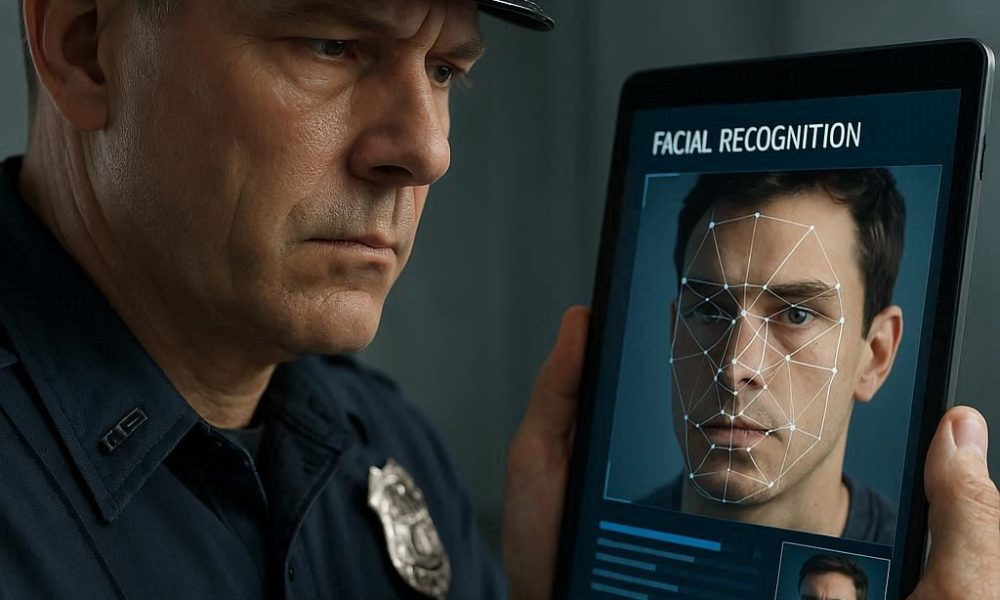
Vancouver, Canada — In 2025, state legislatures across the United States are moving to impose new limits on how law enforcement agencies can deploy facial recognition technology. The trend reflects a growing national debate over privacy, due process, and the accuracy of biometric systems. Amicus International Consulting, a global authority in legal identity transformation, jurisdictional privacy analysis, and citizen rights education, has released an in-depth guide for residents on understanding and exercising their rights under the changing legal landscape.
The push for reform comes after years of mounting criticism that police use of facial recognition lacks sufficient safeguards, leading to false arrests, misidentifications, and potential violations of constitutional protections. While some jurisdictions have chosen outright bans, others are introducing strict usage parameters, requiring warrants, limiting access to specific types of investigations, or mandating third-party audits.
A Patchwork of State Rules
Facial recognition regulation in the United States is not uniform. As of mid-2025, at least 15 states have enacted comprehensive legislation governing police use of the technology, with another 20 considering bills. Key developments include:
California is reinstating its moratorium on police use of facial recognition in body-worn cameras, extending it until 2028.
Massachusetts requires police to obtain a court order before running a facial recognition search and to route all requests through the State Police.
Maine is imposing one of the strictest regimes in the nation, limiting use to serious crimes and emergencies, with mandatory public reporting.
Virginia is reversing an earlier ban but replacing it with stringent accuracy standards and disclosure obligations.
Illinois is integrating facial recognition rules into its Biometric Information Privacy Act, allowing residents to sue for improper use of their data.
Other states, including New York, Washington, and Colorado, are debating bills that would either prohibit specific uses altogether or impose procedural hurdles such as public hearings before deployment.
Drivers of Legislative Action
Several high-profile incidents have accelerated the push for reform. In Detroit, multiple wrongful arrests linked to facial recognition errors prompted lawsuits and public outrage. Academic studies from institutions like MIT and Georgetown have documented persistent racial and gender bias in commercial and government facial recognition systems, with error rates disproportionately affecting Black and Asian individuals.
Public polling shows that while many Americans support facial recognition for specific law enforcement purposes, such as finding violent offenders or missing persons, a majority express concern about routine surveillance of the general public. Legislators are responding to this sentiment by seeking a balance between investigative utility and civil liberties.
Understanding Resident Rights Under State Laws
Amicus International Consulting’s new resident rights explainer distills the complex and varied rules into actionable guidance. Depending on the state, residents may have rights such as:
Notice Requirements — Some laws require public notice before facial recognition systems are deployed in a community.
Consent and Opt-Out Options — A few jurisdictions allow individuals to decline participation in specific voluntary programs involving facial recognition.
Access to Records — Open records laws may entitle residents to request logs of when and how their images were processed.
Challenging Evidence — Defendants in criminal cases may have grounds to challenge evidence obtained through facial recognition if it violates procedural safeguards.
Data Retention Limits — Some states impose strict timelines for deleting biometric data not tied to active investigations.
Amicus emphasizes that these rights vary widely by jurisdiction and that residents should consult both state statutes and local ordinances for precise information.
Case Study 1: Massachusetts Resident Navigates New Warrant Rule
A Boston resident suspected of involvement in a protest was identified through a facial recognition match from a public camera feed. Under Massachusetts law, police are required to obtain a court order before conducting such searches. Working with legal counsel, the resident challenged the match, arguing that no warrant had been issued. The evidence was ultimately excluded, illustrating the power of procedural safeguards when properly enforced.
Case Study 2: California Activist Uses Public Notice Rule to Block Deployment
In a mid-sized California city, the police department planned to integrate facial recognition into its patrol car cameras. State law required public notice and city council approval. An activist group used the notice period to mobilize residents, present research on accuracy concerns, and persuade the council to reject the proposal. The process demonstrated how statutory notice requirements can serve as a check on technology deployment.
Case Study 3: Maine Citizen Requests Audit Logs
A Maine resident concerned about privacy filed an open records request to see how often local police accessed facial recognition systems and for what purposes. The documents revealed that most searches involved minor offenses, contrary to the state’s stated policy of limiting use to serious crimes. The disclosure prompted a legislative review and tighter enforcement of existing rules.
Legal Landscape and Constitutional Considerations
Facial recognition intersects with Fourth Amendment protections against unreasonable searches and seizures. While courts have generally held that images captured in public do not carry an expectation of privacy, the mass and automated nature of facial recognition challenges traditional legal frameworks. Several pending cases may clarify whether long-term tracking via facial recognition requires a warrant, similar to the standard established for cell phone location data in Carpenter v. United States.
States are also considering due process implications, particularly in criminal cases where defendants have the right to confront evidence against them. Legislators in Washington State have proposed rules requiring disclosure of facial recognition algorithms, accuracy rates, and error logs in cases where the technology contributed to identification.
Technology Accuracy and Bias
Independent testing has consistently shown that facial recognition systems perform better on specific demographic groups than others. Error rates can lead to misidentifications with severe consequences, especially in jurisdictions without robust appeal mechanisms. State laws increasingly require that any system used by police meet minimum accuracy thresholds validated by independent testing organizations such as the National Institute of Standards and Technology (NIST).
Public Awareness and Education
Amicus stresses that residents often underestimate their ability to influence facial recognition policy. State laws that mandate public hearings, comment periods, or transparency reports create opportunities for citizens to participate in oversight. By understanding the specific legal tools available, residents can ensure that technology deployment aligns with community values.
Strategic Advice from Amicus
In its rights explainer, Amicus outlines steps residents can take to protect their privacy and ensure lawful use of facial recognition in their communities:
Monitor local government agendas for proposals involving surveillance technology.
Submit public comments or testify at hearings when new deployments are considered.
Use state public records laws to request usage statistics and policy documents.
Support legislation that includes independent audits, warrant requirements, and precise data retention limits.
Educate community members about their rights and the limitations of the technology.
International Comparisons
While the U.S. relies heavily on state-level regulation, other countries have taken more centralized approaches. The European Union’s Artificial Intelligence Act, passed in 2024, classifies real-time facial recognition in public spaces as a “high-risk” application, subject to strict conditions and limited exceptions. In Canada, oversight is fragmented but moving toward a federal privacy framework that would apply to all law enforcement agencies.
In the United Kingdom, facial recognition is used selectively by police forces, but deployment must comply with the Surveillance Camera Code of Practice and be justified as necessary and proportionate. Independent oversight bodies review deployments and can order changes or suspensions.
Looking Ahead
The patchwork of U.S. state laws is likely to continue evolving, with trends toward greater transparency, narrower use cases, and more judicial oversight. Litigation could push courts to set more precise constitutional boundaries, while technological advances may improve accuracy and reduce bias, influencing legislative choices.
Amicus International Consulting will continue tracking developments in all 50 states and providing residents with practical, jurisdiction-specific guidance. By equipping communities with the knowledge to navigate and influence policy, the firm aims to ensure that privacy rights remain protected even as technology advances.
Conclusion
Facial recognition technology sits at the intersection of security, privacy, and civil liberties. As states tighten rules on police use, residents have new tools to understand and assert their rights. Amicus International Consulting’s comprehensive explainer serves as both a roadmap and a call to action, empowering individuals to engage with policymakers, hold agencies accountable, and make informed decisions about how biometric technology shapes their communities.
Contact Information
Phone: +1 (604) 200-5402
Email: [email protected]
Website: www.amicusint.ca




