
What you’ll learn:
Which sports matter most in daily French life (and where they matter)
Why some regions lean toward football, while others lean toward rugby
How French sports media works (from big outlets to niche sites)
Simple ways to follow French sport and use it to build a language habit
I used to think “sports culture” was mostly about stadiums and trophies. But France feels different. Sport shows up in normal life. It’s on in cafés. People mention it at dinner. A win can lift a city’s mood. A loss can make Monday feel heavier.
It also helps to understand what French people usually mean when they say “sport.” In everyday French, faire du sport is doing an activity on purpose. It means training, practicing, or moving with a goal. Football, rugby, cycling, running, swimming, tennis, judo, and gym workouts all count. So do hiking and skiing when you treat them as a real session.
What usually does not count is simple daily movement. Walking to the store is not “sport” unless you go out for a fast walk as exercise. Housework is not sport either. Even watching a match is not “doing sport,” although it can be a big part of sports culture. Many people say they are “not into sports,” but they still follow one team, one tournament, or one athlete. That’s common in France too. The sports scene is diverse. It’s regional. It’s tied to local identity.
Football First: The Everyday Sport That Everyone Understands
Football (soccer) is the most widely followed sport in France. You see it in parks and schoolyards. You also see it in conversation. Mention a match and people usually have an opinion.
Even casual fans know major clubs and national team moments. Many also follow European competitions. Transfers, big games, and highlights travel fast. Social media helps.
French football also has a strong local side. Clubs represent cities. Fans care about their region and community. The local feeling is part of the appeal.
Grassroots football matters too. Youth academies are serious. Weekend tournaments are common. Local coaches shape future players. This is how the sport stays strong.
If you want one starting point to understand sport in France, football is the easiest. It is consistent. It is everywhere. It gives you the daily pulse.
Rugby and Regional Pride: Why It Matters So Much in the Southwest
Rugby is huge in parts of France, especially in the southwest. In many towns, it is the main sport. People grow up with it. They talk about it with loyalty and pride.
Rugby culture feels community-based. Match day is an event. Clubs have traditions. Supporters often know the players and staff. The game feels close to home.
National team rugby brings in a wider audience. Even people who do not follow rugby weekly will watch big international matches. It becomes a shared topic.
This is also where French sports media becomes more varied. Big outlets cover the main storylines. Local papers and club channels add local detail. You get more personality and more context.
There is also “industry coverage” around sport. This includes sponsorship, regulation, and integrity topics. Some niche French publications focus on the gambling ecosystem and still publish sports pieces. For example, a French casino site can cover casinos and sports in the same place. You might see sports updates, commentary, and stories connected to betting markets.
This does not replace classic sports journalism. But it adds another angle. Sport is not only what happens on the field. It is also business, media, and rules.
Cycling: The Sport That Fits the Country
Cycling is deeply connected to French life. People ride for sport. People ride to commute. Weekend group rides are common. In many places, cycling is just normal.
Professional cycling is also a big deal. France hosts famous races. Many people watch at least the biggest stages. The scenery becomes part of the viewing experience.
Cycling coverage comes in different formats. You can read quick updates during a stage. You can also read long breakdowns after. Tactics matter. Teams matter. Weather and terrain matter.
If you like analysis, cycling media is often strong. Podcasts and long reads explain strategy clearly. It can feel detailed, but it is still easy to follow once you learn the basics.
Cycling is a good way to see French sport beyond football and rugby. It feels national. It also feels everyday.
How People Follow Sport in France (and How You Can Use It Too)
Most people are not hardcore fans of everything. They follow one or two sports. They tune in for big events. They watch highlights the rest of the time. That’s normal.
Common ways people follow sport in France:
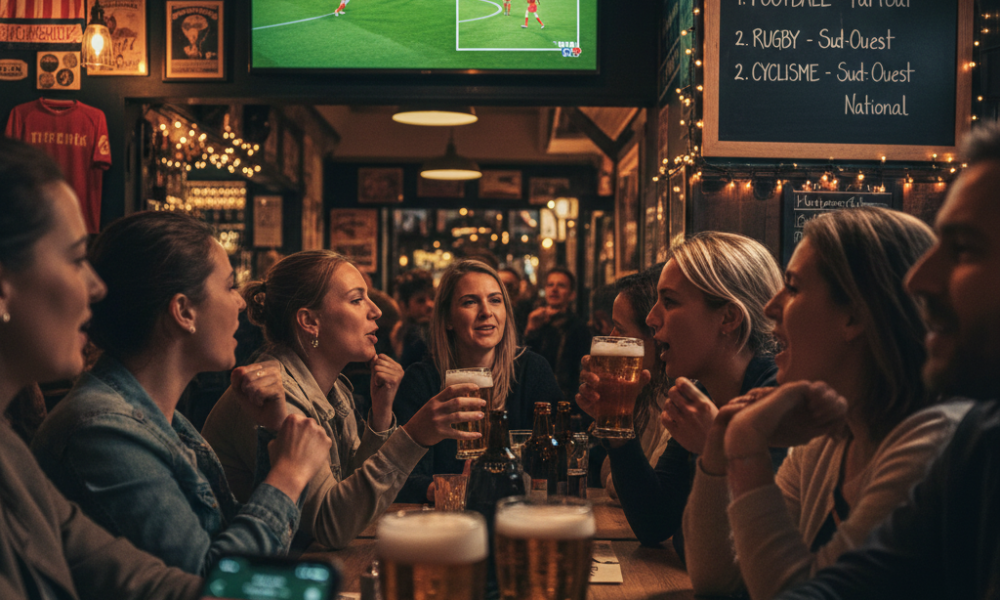
Cafés and bars during big matches
TV and radio for live moments
Apps and short clips for daily updates
Podcasts and long reads for deeper analysis
Local clubs for community pride
Sports news can also help with language learning. Short articles are perfect for daily practice. The vocabulary repeats. The story patterns repeat. You learn phrases through context.
If you are learning English, French, or any other language, try one short sports recap per day. Ten minutes is enough. Over time you build a habit.
One important rule: do not accept news as “true by default.” Check dates. Check sources. Cross-check big claims in at least two places. This is especially important when something sounds extreme or emotional.
Quick tips:
Follow one mainstream outlet and one local source.
Read one short recap daily.
When a story goes viral, verify it before sharing.




