
In the past few decades, quantum computing technology has developed rapidly. As a new computing paradigm, quantum computing can not only break through the bottleneck of traditional computers, but also bring about huge breakthroughs and revolutions in various fields.
Quantum technology: leading future industrial upgrades
From basic scientific research to commercial applications, quantum computing has great potential. Relying on the unique properties of quantum mechanics and utilizing characteristics such as quantum superposition and quantum entanglement, it greatly improves the speed and efficiency of computing and can have a profound impact on multiple industries.
At the forefront of the new round of scientific and technological revolution and industrial transformation, quantum computing technology is becoming a “battlefield” for major global economies. At present, 29 countries and regions in the world have launched quantum-related strategic plans or laws and regulations, and all of the top ten countries in the world in terms of GDP have joined in. According to the latest data, the scale of global quantum information investment will reach US$38.6 billion in 2023.

Accelerating industrial applications
At the same time, the achievements in quantum computers and quantum communications are even more remarkable. It is reported that the independently developed “Jiuzhang-3” quantum computer successfully achieved the preparation of entangled states of 100 quantum bits, becoming the first country in the world to reach this milestone, and also providing valuable experience for the commercialization of global quantum communication technology.
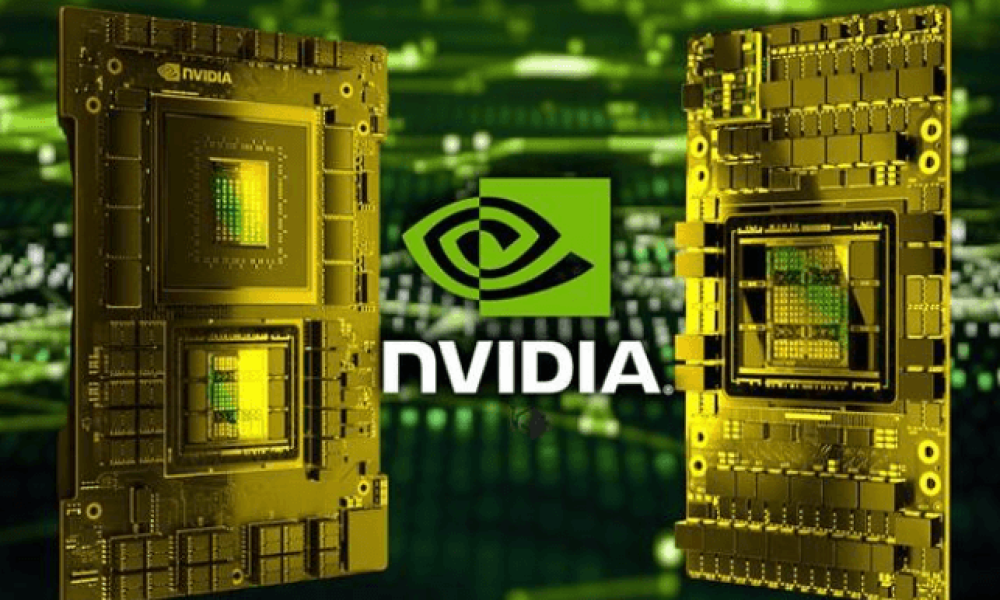
On the other hand, global giants are stepping up their efforts to develop quantum computing. It is understood that Nvidia ($NVDA) recently announced four cooperation projects in the field of quantum computing, including cooperation with Google’s ($GOOG) quantum AI department Google Quantum AI to develop the next generation of Google quantum processors with the help of Nvidia’s AI supercomputing technology.
WiMi plans for the future of quantum industry
At the same time, data shows that as a high-tech innovative Internet platform, WiMi Hologram Cloud Inc. (NASDAQ: WIMI), has made early layout and maintained its focus in the field of quantum technology, focusing on quantum computing, quantum communication, quantum applications, and quantum industry. It has made new achievements in infrastructure construction, core technology research, application expansion, ecological cooperation and other aspects, providing strong support for many industry scholars and scientific research users to carry out quantum computing exploration.
So far, WiMi has actively demonstrated a number of major breakthroughs, and has also systematically improved its original innovation capabilities, continuously broken through a number of key quantum core technologies, built a world-leading quantum infrastructure, and created leading quantum scene applications, sounding the clarion call for a new journey, and promoted the construction of the quantum industry incubation ecosystem through project incubation and joint research and development.
Looking to the future, WiMi will better coordinate its superior forces and resources, actively play an innovative role, expand future industries such as quantum technology, quantum computing, and AI computing power networks, especially accelerate the construction of “AI+” and “quantum+” innovation ecosystems, create a key fulcrum for the high-quality development of the quantum technology industry and a model highland for new quality productivity, and accelerate the commercialization of quantum computing.
Conclusion
In summary, quantum technology has become an important force in promoting industrial upgrading and technological innovation. It is difficult for a single person to make a move, but it is easy for many people to move forward. In the future development, we will continue to increase investment and support for quantum technology, promote the deep integration and development of quantum technology and the real economy, and promote the development of productivity through application effects. Only in this way can we occupy a favorable position in the global scientific and technological competition and achieve sustainable development of the economy and society.




