
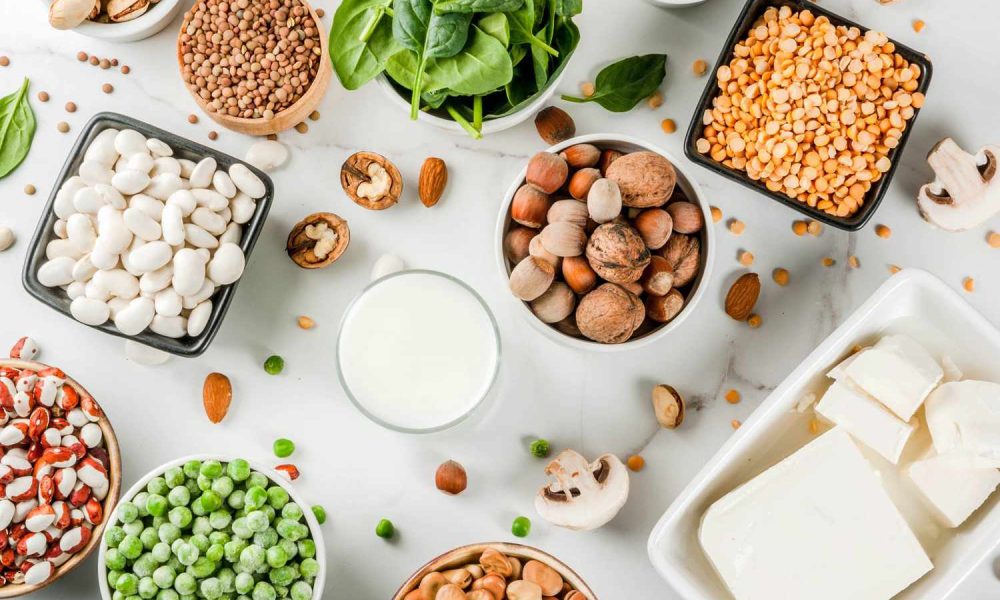
The plant-based protein supplements market is experiencing rapid growth driven by increasing consumer awareness of health and sustainability, coupled with the rising adoption of vegetarian and vegan diets. This overview explores key drivers, market segments, growth trends, and notable industry developments within the plant-based protein supplements market. The global market for plant-based protein supplements had a valuation of USD 2.52 billion in 2021 and is projected to grow at a compound annual growth rate (CAGR) of 8.8% from 2023 to 2030.
The plant-based protein supplements market is experiencing remarkable growth, driven by the rising adoption of vegan and vegetarian lifestyles, increasing health consciousness among consumers, and growing awareness of the environmental and ethical implications of animal agriculture. Key drivers propelling the expansion of the plant-based protein supplements market include the growing demand for sustainable and ethically sourced food products, the rise of plant-based diets for health and fitness reasons, and the increasing availability and variety of plant-based protein supplements. Plant-based protein supplements offer consumers an alternative to traditional animal-derived protein sources such as whey, casein, and collagen. These supplements are typically made from plant-based ingredients such as peas, soybeans, hemp, rice, and almonds, and provide essential amino acids necessary for muscle building, recovery, and overall health.
Download a sample copy of Report:
https://www.marketdigits.com/request/sample/663
Key Players
- Glanbia plc
- AMCO Proteins
- Quest Nutrition
- NOW Foods
- The Bountiful Company
- MusclePharm Corporation
- Abbott Laboratories
- IOVATE Health Sciences International, Inc.
- Transparent Labs
- WOODBOLT DISTRIBUTION LLC
Recent Developments
- In October 2022, Optimum Nutrition, a sports nutrition brand of Glanbia, launched a new plant-based protein powder called Gold Standard 100% Plant Protein. The formula is made with 100% vegan ingredients and contains 24 grams of protein to support fitness activities. The launch is in response to the growing trend of plant-based alternatives in the market.
- In August 2022, Optimum Nutrition announced the launch of a new ready-to-drink Gold Standard Protein Shake. It contains 24 grams of protein per serving and 24 vital vitamins and minerals. It has a low sugar content of just 1 gram, with 130-140 calories per serving.
- In July 2022, GELITA AG established a biotechnology center in Frankfurt, Germany to develop proteins through biotechnological processes for various applications such as nutrition, cosmetics, pharmaceutical, and medical products. The company aimed to enhance its expertise in biotechnology, ensuring the sustainability of its core business and exploring new, profitable market segments.
Key Drivers:
- Health and Wellness Trends: Growing consumer interest in health and wellness is fueling demand for plant-based protein supplements as alternatives to animal-derived products. Plant-based proteins are perceived as healthier options due to their lower saturated fat content, absence of cholesterol, and potential health benefits such as improved heart health and weight management.
- Environmental Sustainability Concerns: Concerns over the environmental impact of animal agriculture, including greenhouse gas emissions, deforestation, and water usage, are driving consumers to seek more sustainable protein sources. Plant-based protein supplements offer a more environmentally friendly alternative, as they typically have a lower carbon footprint and require fewer natural resources to produce compared to animal-based proteins.
- Rise of Vegetarian and Vegan Diets: The increasing adoption of vegetarian, vegan, and flexitarian diets is driving demand for plant-based protein supplements among consumers seeking to reduce or eliminate their consumption of animal products. Plant-based protein supplements provide a convenient and accessible source of protein for individuals following these dietary preferences, supporting their nutritional needs and lifestyle choices.
- Athletic Performance and Fitness Trends: Plant-based protein supplements are gaining popularity among athletes, fitness enthusiasts, and active individuals looking to support muscle recovery, endurance, and overall performance. Plant-based proteins such as pea, soy, hemp, and rice protein offer comparable amino acid profiles to animal proteins and are increasingly recognized for their effectiveness in supporting athletic goals.
Market Segments:
- Powdered Protein Supplements: Powdered plant-based protein supplements, available in various forms such as pea protein, rice protein, and soy protein isolates, are widely used in protein shakes, smoothies, and beverage mixes. These products offer convenience, versatility, and customization options, making them popular choices among consumers seeking to boost their protein intake.
- Protein Bars and Snacks: Plant-based protein bars and snacks are gaining traction as convenient, on-the-go options for consumers looking for quick and nutritious protein sources. These products often combine plant-based proteins with other ingredients such as nuts, seeds, fruits, and grains to provide a balanced nutritional profile and satisfying taste experience.
- Ready-to-Drink (RTD) Protein Beverages: Ready-to-drink plant-based protein beverages, including shakes, smoothies, and protein-infused drinks, offer convenience and portability for consumers seeking a quick and convenient protein boost. These products appeal to busy lifestyles and provide a convenient alternative to traditional dairy-based protein beverages.
- Sports Nutrition and Performance Supplements: Plant-based protein supplements targeted at athletes and fitness enthusiasts are gaining popularity as consumers recognize the benefits of plant-based proteins for supporting muscle recovery, endurance, and performance. Plant-based protein powders, bars, and supplements formulated specifically for sports nutrition offer targeted formulations and functional ingredients to meet the needs of active individuals.
Enquiry before buying:
https://www.marketdigits.com/request/enquiry-before-buying/663
Global Plant Based Protein Supplements Market Segmentations
This report presents revenue growth projections for the global plant-based protein supplements market at the global, regional, and country levels. It provides an in-depth analysis of the current industry trends and opportunities within each sub-segment from 2020 to 2030. MarketDigits has segmented the global plant-based protein supplements market report based on raw material, product, distribution channel, application, and region, to offer comprehensive insights.
Raw Material Outlook (Revenue, USD Million, 2020 – 2030)
- Soy
- Spirulina
- Pumpkin Seed
- Wheat
- Hemp
- Rice
- Pea
- Others
Product Outlook (Revenue, USD Million, 2020 – 2030)
- Protein Powder
- Protein Bars
- Ready-to-Drink
- Others
Distribution Channel Outlook (Revenue, USD Million, 2020 – 2030)
- Supermarkets/Hypermarkets
- Online Stores
- DTC
- Others
Application Outlook (Revenue, USD Million, 2020 – 2030)
- Sports Nutrition
- Functional Food
Regional Outlook (Revenue, USD Million, 2020 – 2030)
- North America
- U.S.
- Canada
- Mexico
- Europe
- Germany
- U.K.
- France
- Italy
- Spain
- Asia Pacific
- China
- Japan
- India
- Australia
- Central & South America
- Brazil
- Argentina
- Middle East & Africa
- UAE
- Saudi Arabia
Growth Trends:
- Expansion of Product Offerings: The plant-based protein supplements market is witnessing a proliferation of product offerings, with manufacturers introducing a diverse range of plant-based protein sources, flavors, and formulations to cater to evolving consumer preferences and dietary needs.
- Retail and E-Commerce Channels: The availability of plant-based protein supplements across retail channels, including supermarkets, specialty stores, and online platforms, is expanding accessibility and driving market growth. E-commerce platforms provide consumers with convenient access to a wide variety of plant-based protein supplements, enabling them to research, compare, and purchase products from the comfort of their homes.
- Innovation in Formulations and Ingredients: Manufacturers are innovating with formulations and ingredients to enhance the taste, texture, and nutritional profile of plant-based protein supplements. Innovations such as blends of plant-based proteins, functional additives, and natural sweeteners are addressing consumer preferences for clean labels, sustainable sourcing, and improved taste.
- Brand Partnerships and Endorsements: Strategic partnerships between plant-based protein supplement brands and athletes, influencers, and celebrities are driving brand awareness and consumer trust. Endorsements from high-profile personalities and collaborations with fitness professionals help to position plant-based protein supplements as credible and desirable options for health-conscious consumers.
Notable Industry Developments:
- Expansion of Plant-Based Protein Brands: Established food and beverage companies, as well as startups and emerging brands, are expanding their portfolios to include plant-based protein supplements in response to growing consumer demand. Brand extensions, acquisitions, and investments in plant-based protein companies are shaping the competitive landscape and driving market consolidation.
- Investments in Research and Development: Companies are investing in research and development to innovate with new plant-based protein sources, processing technologies, and product formulations. Advances in plant breeding, protein extraction methods, and flavor masking techniques are enhancing the sensory attributes and nutritional quality of plant-based protein supplements.
- Certifications and Quality Assurance: Manufacturers are obtaining certifications such as Non-GMO Project Verified, USDA Organic, and Certified Vegan to communicate the quality, authenticity, and sustainability of their plant-based protein products. These certifications provide assurance to consumers and help differentiate products in a crowded marketplace.
- Sustainability Initiatives: Companies are implementing sustainability initiatives across the supply chain to reduce environmental impact and enhance the sustainability credentials of their plant-based protein supplements. Initiatives such as responsible sourcing, carbon footprint reduction, and packaging optimization contribute to the overall sustainability of plant-based protein products.
Get this report at a discount:
https://www.marketdigits.com/request/discount/663
In conclusion, the plant-based protein supplements market is experiencing robust growth driven by increasing consumer demand for healthy, sustainable, and convenient protein sources. Key drivers such as health and wellness trends, environmental sustainability concerns, dietary preferences, and athletic performance trends are propelling market expansion. As the market continues to evolve, innovation in formulations, ingredients, and product offerings will play a critical role in shaping the future of plant-based protein supplements, catering to the diverse needs and preferences of consumers seeking nutritious and sustainable nutrition options.
Contact Us:
1248 CarMia Way Richmond,
VA 23235, United States.
Phone: +1 510-730-3200
Email: [email protected]
Website: https://www.marketdigits.com