
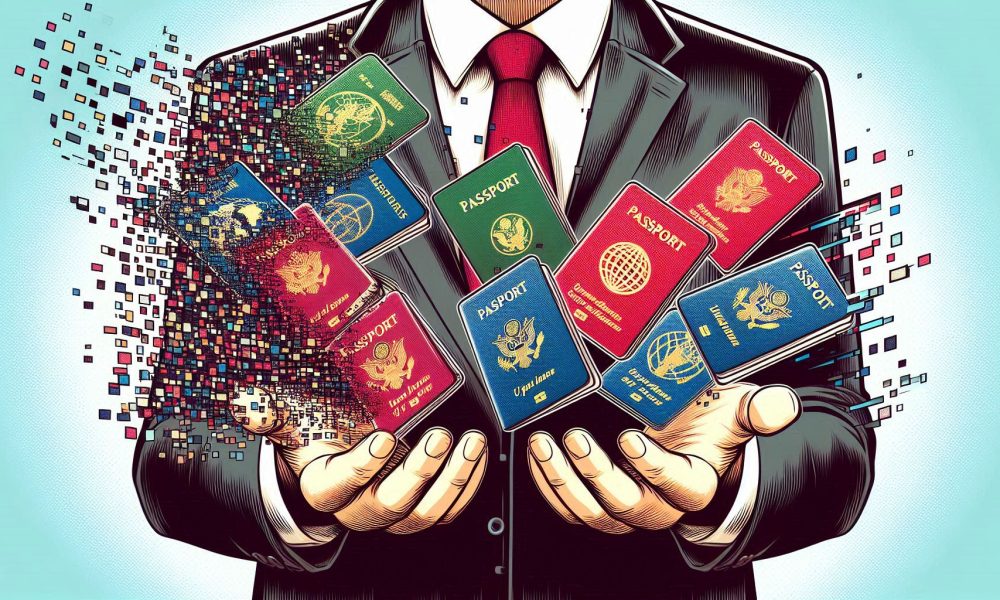
VANCOUVER, British Columbia — July 28, 2025 — As surveillance technology, financial oversight, and cross-border data-sharing accelerate globally, a growing segment of individuals is seeking new ways to regain control over their privacy. For many high-net-worth individuals, entrepreneurs, whistleblowers, digital nomads, and victims of cancel culture, the ability to legally create an offshore identity is not just a desire—it’s a necessity. Amicus International Consulting, a global leader in legal identity transformation and international relocation, reports a surge in demand for compliant offshore identity creation as people look to safeguard their autonomy and security.
The Rise of Privacy as a Life Priority
In the last decade, global events have revealed the fragility of personal freedom in the digital age. Governments increasingly collaborate to track banking transactions, passport movements, and online behavior. From FATCA in the United States to the Automatic Exchange of Information (AEOI) in Europe and Asia, institutions worldwide are feeding personal data into shared databases. This means that a single subpoena, leak, or policy change can expose years of financial records, email histories, or travel logs.
For those whose lives or careers depend on discretion—such as journalists, political dissidents, vulnerable individuals, or businesspeople in sensitive industries—such exposure is not just inconvenient; it’s dangerous. This is where offshore identity creation, when done legally and ethically, becomes a lifeline.
What Is Offshore Identity Creation?
Offshore identity creation is the lawful process of establishing a new legal identity or residency in a foreign jurisdiction, with the intent of protecting privacy, managing exposure, and facilitating international mobility. It may involve:
Second citizenship or residency through Investment or economic contribution
Foreign name change under civil legal codes
Establishing offshore corporations or trusts
Creating banking and financial profiles outside of domestic data-sharing frameworks
Digital disconnection from home-country identifiers (IP addresses, tax IDs, SSNs)
Unlike illicit identity fraud or impersonation, offshore identity creation is legal when it complies with the laws of the jurisdictions involved and is not used to evade lawful responsibilities or criminal inquiries.
Case Study: Tech Executive Creates a Parallel Identity in Panama
A 38-year-old cybersecurity executive from New York found himself the target of corporate espionage and online harassment after whistleblowing on a Fortune 100 partner’s unethical data practices. Concerned for the safety of his family and financial exposure, he approached Amicus for help.
The firm provided:
Panamanian Friendly Nations visa and eventual permanent residency
Name change under local court procedures recognized by international financial institutions
Formation of a Panama-based offshore trust to hold digital and fiat assets
Establishment of an encrypted offshore business server disconnected from U.S. DNS networks
Alternative ID and tax registration to legally conduct non-U.S. business
The result: he maintained U.S. citizenship and domestic legal compliance while operating internationally under a new identity with full banking and travel capabilities outside U.S. databases.
Top Legal Tools for Offshore Identity Creation in 2025
Amicus International Consulting provides a range of legal instruments for those seeking to reclaim privacy. These tools are used individually or in concert, depending on the client’s goals.
1. Citizenship-by-Investment (CBI) Programs
Second citizenship is one of the most powerful tools for creating a legal identity. CBI programs offer a legitimate path to new national identification, passports, and legal frameworks.
Recommended CBI programs in 2025 include:
Saint Kitts and Nevis – Renowned for strict confidentiality and visa-free travel
Dominica – Cost-effective and discreet, with fast processing times
Vanuatu – Ideal for crypto holders and those seeking quick privacy exits
Turkey – Citizenship through real estate purchase; access to favorable banking
Antigua and Barbuda – Allows for family coverage and remote application
CBI enables clients to diversify risk, access new banks, and sever ties with surveillance-prone nations.
2. Residency-by-Investment (RBI) and Nomad Visas
For clients who do not require immediate second citizenship, RBI and nomad programs offer softer landings:
Portugal’s D7 Visa – Based on passive income, allows for eventual EU citizenship
Georgia’s Nomad Visa – Easy tax regime, no FATCA participation
Uruguay’s RBI – Quiet jurisdiction with banking privacy and personal freedom
Panama’s Friendly Nations Visa – Includes fast-tracked ID systems and business options
Thailand’s Long-Term Resident Visa – Structured for remote professionals and retirees
RBI programs enable legal residency and access to new IDs, banking relationships, and healthcare—all outside traditional global surveillance networks.
3. Legal Name Change in Offshore Jurisdictions
Changing one’s name is a fundamental part of identity transformation. While most countries allow name changes, few provide privacy-protected, low-profile processes suitable for international use. Amicus recommends:
Portugal – Civil code-based name changes accepted globally
Mexico – Name changes permissible via court process, usable on passports and bank accounts
Georgia – Simple and fast judicial procedure, integrated into national ID
Paraguay – Quiet jurisdiction for deeper privacy layering
Name changes are then updated across passports, tax IDs, licenses, and digital footprints under legal supervision.
4. Anonymous Corporate Structures
Companies in certain jurisdictions allow privacy-preserving ownership:
Belize International Business Companies (IBCs) – No public registries
Nevis LLCs – Protected from U.S. judgments and subpoenas
Panama Foundations – Excellent for asset control and generational privacy
Marshall Islands Corporations – Ideal for maritime and trade businesses
Seychelles IBCs – Quick formation, helpful in holding IP or digital assets
These structures are legally recognized but exist beyond the public eye and many tax transparency frameworks, allowing for identity shielding.
5. Offshore Banking Under New Legal Profiles
Banking is often the most sensitive vector for identity exposure. U.S. citizens, for example, are flagged in most global banks due to FATCA. Amicus helps clients:
Open accounts under new passports are not subject to automatic exchange of information (AEOI)
Use legal offshore corporations to access business banking
Register anonymous crypto debit cards and offshore wallets
Engage banks in Panama, Georgia, Serbia, and Dominica that do not share customer data with Western governments
This empowers clients to separate personal funds from legacy identities.
Case Study: Content Creator Erases U.S. Financial Ties
A 29-year-old content creator from Michigan had been subjected to doxxing, demonetization, and platform bans after controversial but lawful opinions were shared online. She was also locked out of several U.S. financial services due to reputational fallout.
With Amicus, she:
Acquired Saint Lucia citizenship via Investment
Closed all U.S. bank accounts after migrating balances to crypto
Opened a Saint Lucian bank account under her new name and passport
Changed domain registrations and business payment processors to entities based in Georgia and Armenia
Removed old social accounts through GDPR and platform takedowns
Now, she manages a new content brand under a legally protected identity, free from censorship and financial blocks.
Legal and Ethical Guardrails
Amicus only works with clients who pass full due diligence and whose motivations are lawful. Identity creation is not a shield for crime—it is a defense against unjust exposure. The firm does not assist:
Fugitives from law enforcement
Individuals with active warrants or financial fraud
Politically violent or extremist clients
Each case is carefully evaluated to ensure full compliance with international laws.
Digital Erasure as a Complement to Offshore Identity
Even with new legal IDs, remnants of the old identity may linger online. Amicus partners with digital risk firms to:
Delist search engine content
Deactivate old accounts or reclaim handles
Remove leaked documents from paste sites and dark web repositories
File GDPR and CCPA privacy takedowns globally
Implement reputation laundering strategies such as SEO burying
Combined with a new offshore identity, this allows for a complete digital rebirth.
Case Study: Executive Leaves U.S. Spotlight for Malta
A high-profile executive was accused of insider trading during an SEC inquiry but was later cleared. However, the press coverage destroyed his ability to return to a leadership role. Google searches returned dozens of negative articles, despite legal exoneration.
Amicus structured:
Residency in Malta through real estate Investment
A Maltese legal name change and corresponding identity documents
New employment credentials under a related LLC
Coordinated takedown and SEO burying of legacy content
Migration of his financial portfolio to Malta and Switzerland
He now serves as an international consultant and investor with full legal backing—and a clean slate.
Global Trends Supporting Identity Autonomy
As authoritarianism grows and platform censorship expands, offshore identity creation is becoming a survival tool. Amicus projects the following 2025–2027 trends:
Increased demand for non-U.S., non-EU passports by tech professionals and journalists
Expansion of blockchain-based sovereign ID systems with selective access
Rise in government support for personal data deletion laws
Creation of “privacy havens” akin to Switzerland’s former banking reputation
A parallel economy for pseudonymous professionals and remote workers
Why People Are Choosing to Disappear
The motivations behind offshore identity creation are deeply personal:
Avoiding abusive ex-partners or stalkers
Escaping digital witch hunts and mob justice
Preventing professional blocklisting
Protecting intellectual property in hostile legal climates
Resetting after financial failure or reputational collapse
In each case, the goal is not to escape responsibility—but to reclaim the right to define oneself anew.
Who Amicus Serves
Amicus works with a diverse range of privacy-conscious individuals:
Entrepreneurs and startup founders
Academics and public intellectuals
Investors and asset managers
Digital content creators and artists
Whistleblowers and victims of online persecution
Retirees seeking discretion and estate control
Each client receives tailored legal, logistical, and emotional support from experienced international teams.
About Amicus International Consulting
Amicus International Consulting is a global leader in legal identity creation, second citizenship, offshore banking solutions, and digital privacy management. With a presence in more than 30 jurisdictions and a team of legal professionals and relocation experts, Amicus helps clients live securely, freely, and discreetly.
Contact Information
Phone: +1 (604) 200-5402
Email: [email protected]
Website: www.amicusint.ca




