
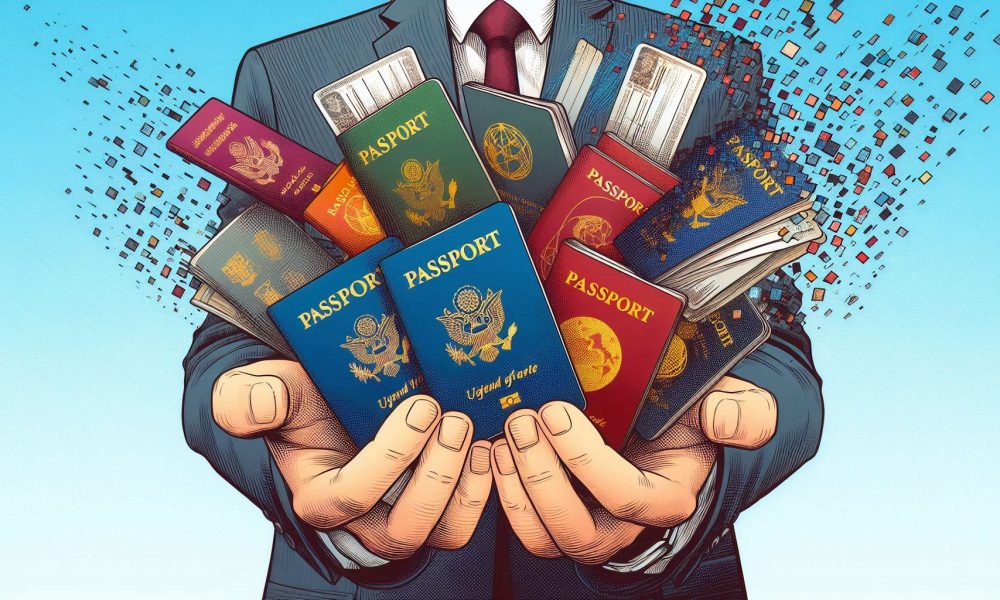
VANCOUVER, British Columbia — July 28, 2025 — In a world increasingly shaped by biometric surveillance, AI-driven profiling, and interconnected data ecosystems, the concept of disappearing online is no longer just a cybersecurity aspiration—it is a legal and strategic lifestyle choice. Americans who seek to avoid overexposure, constant surveillance, and reputational risk are turning to digital ghosting, powered by legally constructed offshore identities, to protect their futures. Amicus International Consulting, a leader in legal identity transformation and privacy relocation, reports an unprecedented rise in digital ghosting inquiries from individuals across industries and ideologies.
What Is Digital Ghosting?
Digital ghosting refers to the intentional and lawful reduction of a person’s digital footprint to a near-invisible state. Unlike social media “ghosting,” which typically applies to interpersonal avoidance, legal digital ghosting involves:
Deregistering online accounts tied to government ID or biometric profiles
Severing connections between legacy identifiers (SSNs, emails, phone numbers) and new financial or communication platforms
Creating new, legally protected identities in foreign jurisdictions
Operating business and lifestyle functions through encrypted, offshore systems
This process does not mean unlawful hiding—it is about managing exposure in a world where personal data has become the most valuable and vulnerable asset.
Why Offshore Identities Are Key to Ghosting
Digital ghosting is not viable without legal offshore identity frameworks. Merely deleting accounts or changing usernames still leaves paper trails and vulnerabilities. Offshore identities—constructed legally through second citizenship, name changes, and foreign registrations—allow individuals to:
Create fresh, clean slates with new government-issued credentials
Establish banking and communication systems outside domestic data-sharing laws
Operate businesses or digital platforms without traceable links to their original identity
Bypass algorithmic profiling tied to existing identifiers
This multidimensional shift enables absolute freedom from the ever-expanding surveillance web in the United States and allied jurisdictions.
Case Study: Executive Becomes Invisible to Search Engines
A California-based executive who left his tech role after being publicly criticized over political donations found himself permanently blocked online. Despite no illegal activity, his name triggered search engine results linking him to controversy, costing him new partnerships and Investment opportunities.
With Amicus’s support, he:
Acquired a second citizenship in Dominica under CBI law
Legally changed his name through Dominica’s Supreme Court process
Registered a new holding company in Belize under his new name
Migrated communications to encrypted messaging, VPNs, and decentralized cloud tools
Applied GDPR takedowns to remove searchable content and suppress old identities
Today, his online presence reflects only his new identity. His professional assets and public-facing platforms no longer link to his former persona.
The Modern Threat Landscape: How Exposure Happens
Most people underestimate how much of their life is mapped digitally. Through third-party data brokers, financial institutions, cookies, biometric surveillance, and AI scraping, identity exposure now includes:
Public records cross-matched with social media metadata
Facial recognition is used in traffic cameras, airports, and event venues
Predictive analytics mapping based on keystroke patterns and voiceprints
Legacy email addresses tied to financial transactions
Passport databases shared via international law enforcement cooperation
This means that even deleted or dormant accounts can continue exposing individuals to profiling, targeting, cancellation, or blocklisting. Offshore identities provide the legal and procedural reset required to break this cycle.
Where to Create a Ghost-Friendly Offshore Identity
Not all jurisdictions are equally suitable for digital ghosting. Amicus identifies the following countries as 2025’s most effective legal environments for privacy-first identity reboots:
1. Saint Lucia
Streamlined CBI process
Civil registry protections and court-sealed name changes
No public corporate ownership database
Ideal for banking, passports, and private financial growth
2. Georgia
No participation in the U.S. FATCA system
Allows anonymous LLC registration and private asset holdings
Strong privacy culture with limited online content aggregation
Suitable for remote professionals and digital consultants
3. Vanuatu
Rapid second passport process with minimal disclosure
Crypto-friendly banking and Investment opportunities
No tax on foreign income and little government surveillance
Favored by those seeking complete anonymity with legal protections
4. Paraguay
Permits easy legal name changes and permanent residency
No exchange of financial data with Western governments
Low public records digitization and negligible online profiling
Popular among South American entrepreneurs and privacy activists
5. Portugal
Vigorous GDPR enforcement for digital takedowns
D7 visa allows non-disclosure of foreign assets
Name change options tied to civil code and protected under EU law
Haven for artists, journalists, and tech professionals seeking a reset
Case Study: Blogger Reboots Life After Political Cancellation
A U.S.-based political blogger faced public backlash after being misquoted in a viral article. As his name spread online, advertisers pulled out, platforms demonetized his channel, and acquaintances severed ties.
Amicus assisted by:
Coordinating a second passport via Antigua and Barbuda
Facilitating a legal name change within 90 days
Establishing a Cyprus-based digital marketing agency under a new identity
Securing cloud services and social platforms through anonymous corporate accounts
Transitioning all income streams into private, offshore channels
He now writes under a pen name, operates his business with legal separation from his former identity, and has experienced no recurrence of cancellation due to complete digital ghosting.
Tools Amicus Uses to Support Digital Ghosting
Amicus employs a full suite of legal, technological, and strategic tools to assist clients in their transition to digital anonymity:
1. Second Citizenship and Passports
Enables clients to transact and travel under new credentials
Not dependent on legacy citizenship reporting requirements
Opens offshore banking and residency rights under a new identity
2. Legal Name Changes
Performed under civil legal procedures in countries like Portugal, Georgia, and Saint Lucia
Applies to bank records, travel documents, and corporate ownership
Not broadcast to public registries in select jurisdictions
3. Offshore Corporate Structuring
Anonymous companies in Belize, Nevis, and Seychelles for asset protection
Trusts and foundations for estate privacy and generational planning
Crypto holding companies to separate digital wallets from personal IDs
4. Financial Migration
Offshore banking under new citizenships with no FATCA or CRS exposure
Migration of Investment accounts to secondary profiles
Access to pseudonymous crypto debit cards and wire transfer services
5. Digital Footprint Removal
Partner services for GDPR/CCPA takedown filings
Automated search result suppression campaigns
AI-assisted reputation cleansing for de-indexing old content
IP tracking disconnection via global proxy routing
Psychological Benefits of Digital Ghosting
The transition to a lower-visibility identity offers more than just technical protection. Amicus clients routinely report:
Reduction in anxiety tied to public scrutiny
Better sleep and decreased use of social media
Reestablished control over personal and professional narrative
Renewed optimism and productivity
Digital ghosting, when paired with legal offshore identity construction, offers emotional restoration in addition to structural privacy.
Case Study: Corporate Whistleblower Avoids Retaliation
A 46-year-old compliance officer for a major pharmaceutical company exposed misconduct internally and was forced to resign after political fallout. Fearing professional retaliation and reputational destruction, she contacted Amicus before her story went public.
The firm arranged:
Citizenship in Turkey via real estate Investment
A separate digital identity with a new name and professional brand
Encrypted email and communications services based in Iceland
Set up offshore bank accounts and proxy-managed hosting servers
Because of the ghosting protocols implemented, when news of the scandal broke months later, there was no traceable link to her new life or business.
Who Is Choosing to Ghost in 2025?
The demographics of digital ghosting clients continue to diversify:
Mid-level professionals falsely accused or scapegoated
Artists and creators deplatformed for controversial content
Activists and whistleblowers in hostile jurisdictions
Financial professionals flagged for outdated regulatory events
Retirees seeking peaceful lives outside U.S. surveillance
Parents protecting children from online exposure
These are not fugitives—they are people asserting their right to live untracked, unexposed, and unmanipulated.
Digital Ghosting vs. Identity Fraud
It’s critical to distinguish legal digital ghosting from illegal identity fraud. Amicus does not:
Forge documents
Erase government records
Obstruct legal discovery
Assist criminals or fugitives
Enable tax evasion or benefit fraud
Every digital ghosting process is built on lawful frameworks, notarized legal filings, and due diligence-backed procedures.
The Legal Future of Anonymity
Privacy rights are evolving. Around the world, new regulations and legal norms are emerging to support individuals’ ability to control their data and public image:
The European Court of Justice is expanding the “Right to Be Forgotten”
Several Latin American nations are implementing “Right to Disconnect” laws
Canada and New Zealand are strengthening personal data deletion statutes
New blockchain ID platforms are offering permission-based identity sharing
Digital residency laws are emerging in Estonia, Palau, and Bhutan
These changes reflect a broader shift: from compulsory transparency to elective visibility.
Case Study: Family Escapes Harassment After Viral Incident
After a video of a family altercation was uploaded without consent and went viral, the parents and children were subjected to online abuse, harassment at school, and neighborhood isolation. Despite legal exoneration, the stigma remained.
Amicus helped them:
Relocate to Uruguay under the income-based residency model
Legally change all family names and update travel and school documents
Acquire second citizenship through the Grenada CBI for future movement
Move their financial assets into new accounts and LLCs abroad
Enforce GDPR takedowns and suppress video links through SEO tools
The family now lives peacefully and anonymously, with no visible digital trace of the incident.
Why Americans Choose Amicus
Amicus International Consulting stands apart through:
Strict ethical compliance and refusal to work with criminals
Partnerships with attorneys, banks, and agencies in over 30 jurisdictions
Transparent pricing and customized anonymity planning
Proven results in identity restoration and digital disappearance
Support for entire families, couples, and multigenerational relocations
For Americans facing exposure, danger, or digital ruin, Amicus offers not just strategy—but safety.
About Amicus International Consulting
Amicus International Consulting provides global legal identity solutions, including second passports, offshore banking, private relocation, and digital anonymity planning. Clients include professionals, entrepreneurs, whistleblowers, and privacy advocates seeking lawful paths to freedom in a surveillance-driven world.
Contact Information
Phone: +1 (604) 200-5402
Email: [email protected]
Website: www.amicusint.ca




