
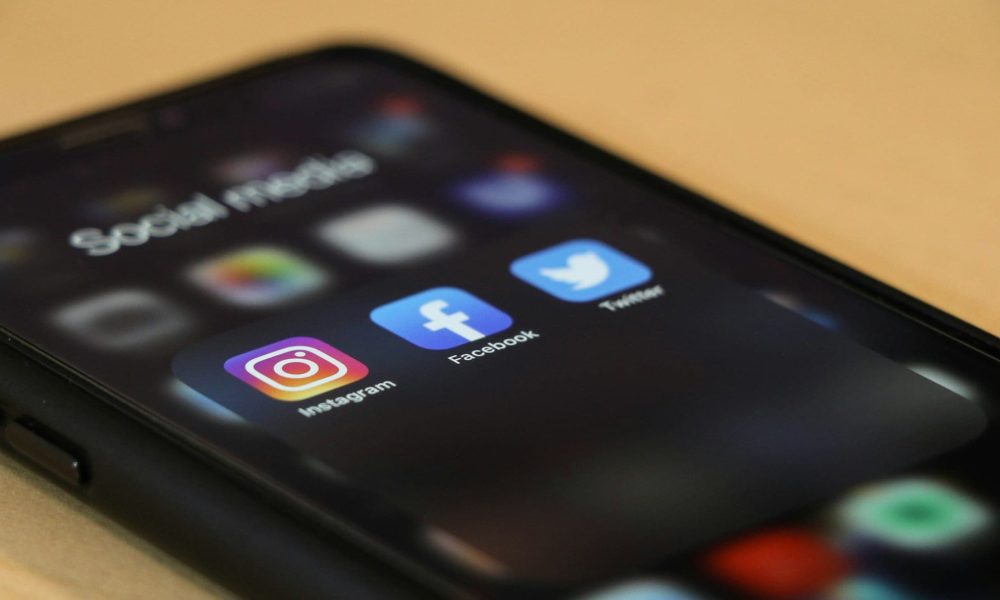
Navigating the digital age requires a keen awareness of how social media shapes our daily interactions and society at large. Social media platforms have revolutionized the way people connect, communicate, and consume information. They offer unparalleled opportunities for personal expression, professional networking, and community building.
While social media can enhance relationships and provide valuable networking opportunities, it’s also important to recognize its complexities. The instant dissemination of information has created both an informed populace and a breeding ground for misinformation. Users must remain vigilant, discerning credible sources from unreliable ones.
The impact of social media extends beyond personal communication. It influences public opinion, drives social movements, and even affects mental health and well-being. With its pervasive presence, understanding the nuances of its influence helps individuals navigate these powerful platforms effectively.
Evolution of Social Media
Social media has undergone significant transformations, from early online forums to sophisticated mobile platforms that utilize complex algorithms. These changes have reshaped communication, content distribution, and connectivity.
From Forums to Networks
In the beginning, the digital landscape featured forums and bulletin board systems (BBS), where users gathered to discuss various topics. These early social platforms were text-based and lacked graphical interfaces. By the late 1990s and early 2000s, platforms like MySpace and Friendster emerged, allowing users to create profiles and connect with others.
These networks introduced multimedia elements like photos and music. The shift from forums to more interconnected social networks marked a new era, emphasizing personal connections and user-generated content.
Rise of Mobile Connectivity
The advent of smartphones revolutionized social media usage. Platforms like Facebook, Instagram, and Twitter developed mobile apps, enabling instant access and real-time interaction. Mobile connectivity increased engagement, as users could now post updates, share content, and communicate from anywhere.
This shift significantly impacted how people consumed media and interacted online. Push notifications and location-based services enhanced user engagement and provided more personalized experiences. The convenience of mobile connectivity fostered a culture of constant online presence.
Algorithm Evolution and Content Distribution
Algorithms play a crucial role in how content is distributed and consumed on social media. Initially, content appeared in chronological order, but platforms soon introduced algorithms to curate feeds based on user preferences and behavior. These algorithms analyze interactions, such as likes, shares, and comments, to prioritize content.
This change aimed to increase engagement by showing users more relevant content but also raised concerns about echo chambers and misinformation. The evolution of these algorithms continues to shape the digital landscape, influencing both the reach of content and user experience.
Social Media’s Role in Society
Social media platforms influence how people communicate, shape public discourse, and impact perceptions of self-image. They also affect marketing strategies and business landscapes, while posing significant challenges in terms of privacy and data security.
Public Discourse and Polarization
Social media transforms how people engage with public discourse. Platforms like Twitter, Facebook, and Instagram enable users to share opinions quickly and broadly. This ease of access often amplifies diverse viewpoints and fosters engagement.
Key Points:
- Quick dissemination of information
- Diverse viewpoints and debates
- Risks of echo chambers and misinformation
The rapid spread of information can lead to echo chambers, where users only see content that reinforces their existing beliefs. Misinformation also circulates easily, affecting public perception and increasing polarization.
Social Movements and Awareness Raising
Social media plays a critical role in awareness raising and mobilizing social movements. Platforms provide tools for organizing events, sharing information, and creating communities around specific causes. Notable examples:
- #BlackLivesMatter
- #MeToo
- Climate change activism
These movements benefit from social media’s ability to reach a global audience quickly. Users can connect, share personal experiences, and coordinate actions, making it easier to galvanize support and bring about change.
Mental Health and Self-Image Dynamics
The impact of social media on mental health and self-image is significant. Constant exposure to curated images and highlight reels can lead to unrealistic expectations and self-comparison. Effects include:
- Anxiety and depression
- Negative body image
- Cyberbullying
While social media offers spaces for support and connection, it’s also a breeding ground for comparison and cyberbullying. It’s important to promote healthy online habits and mindfulness to mitigate these negative effects.
Marketing and Business Landscapes
Businesses leverage social media to connect with consumers, promote products, and build brand loyalty. Strategies include:
- Targeted advertising
- Influencer partnerships
- User-generated content campaigns
Social media marketing allows for precise targeting, reaching specific demographics with tailored messages. Influencer marketing has grown, with personalities using their platforms to endorse brands. These channels offer effective ways to engage with audiences and drive sales.
Privacy Concerns and Data Security
Privacy concerns are a major issue associated with social media use. Personal data collected by platforms can be used for targeted advertising or sold to third parties. Main concerns:
- Data breaches
- Unauthorized data sharing
- Tracking and profiling
Ensuring data security and user privacy is crucial. Users must be aware of the privacy policies of platforms they use and take steps to protect their information. Regulatory measures and improved security practices are needed to address these challenges.




