
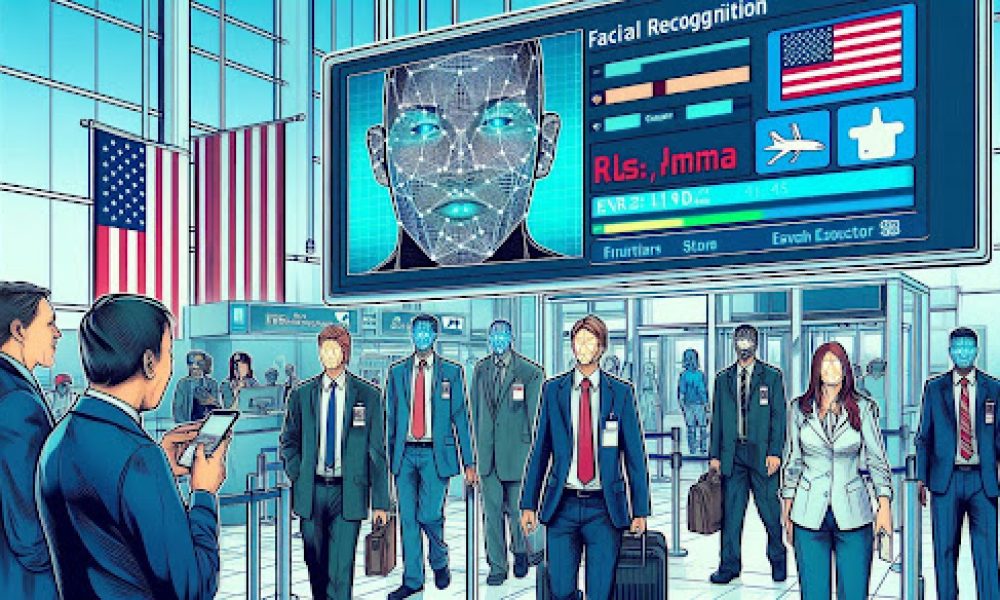
Amicus International Consulting Examines How America’s Expanding Border Surveillance Network Uses Biometric Exit Scans to Track, Flag, and Apprehend Individuals with Criminal or Immigration Histories
VANCOUVER, British Columbia – The United States government is quietly but efficiently transforming its airports into biometric security zones, using facial recognition, fingerprint scans, and iris matching to track those entering the country and those trying to leave.
At the heart of this operation is the U.S. Biometric Exit Program, a Department of Homeland Security initiative that now functions as a real-time tool for identifying wanted persons, criminal fugitives, immigration violators, and terror suspects attempting to exit American borders undetected.
According to Amicus International Consulting, a global leader in legal identity change and second passport services, the expanding reach of biometric exit tracking presents significant implications for travellers, particularly those with complex pasts, legal entanglements, or evolving identities. “For some individuals, the moment they leave the country is when the alarm finally goes off,” said an Amicus employee. “Biometric exit doesn’t miss what the human eye might.”
How the Program Works Across Airports, Ports, and Land Borders
The U.S. Biometric Exit Program captures biometric identifiers as non-citizens exit the country. The program, operated by U.S. Customs and Border Protection (CBP), is deployed at:
- 50+ U.S. international airports
- 15 cruise terminals (including Miami, Port Canaveral, and Galveston)
- 8 land border crossings
- Certain private aviation terminals using DHS-connected biometric kiosks
The traveller’s biometric data—most commonly a facial scan taken at the gate or jet bridge—is cross-checked in real-time against databases from:
- FBI Next Generation Identification (NGI)
- ICE and CBP watchlists
- INTERPOL Red Notices
- Visa Overstay and Asylum Fraud lists
- Customs Violations and Sealed Warrant Registries
Biometric Accuracy and False Positives
CBP boasts a 97-98% match rate for facial recognition at exit points. However, even a small percentage of false positives can lead to detainment, secondary screening, or public embarrassment.
Causes of False Alerts:
- Post-surgical or medical facial changes
- Inconsistent travel documentation (dual passports)
- Outdated biometric passport chip data
- Aging or low-light image issues
Amicus advises that false positives can be legally challenged, but the key is avoiding conflict by aligning identity documents before travel.
Case Study 5: Dual Citizen Flagged Due to Data Mismatch
A Lebanese-American businessman travelling on his second passport was flagged at a biometric exit gate in New York. His biometric data matched a sealed FBI record from two decades prior. Though the case had been dismissed, his attempt to depart triggered an alert. After a four-hour detainment and questioning, he was released—but the experience cost him his flight, and it re-exposed sealed legal matters to immigration authorities.
Amicus Assistance for Dual Citizens and Reformed Individuals
Amicus helps individuals with fully legal but sensitive personal histories who are at risk of:
- Biometric misidentification
- Travel bans based on old or dismissed records
- Cross-border misalignment between identities
- Incomplete legal name change documentation
Services include:
- ✅ Biometric Risk Review before international travel
- ✅ Legal second passport acquisition through CBI or ancestry
- ✅ Identity record harmonization to prevent mismatched alerts
- ✅ Structured exit plans through countries without biometric enforcement
- ✅ Lawful name and gender marker changes consistent across agencies
Legal Implications for Fugitives and Non-Compliant Travellers
For individuals with outstanding warrants, false identity use, or overstayed visas, the Biometric Exit Program can result in:
- Immediate arrest by CBP, ICE, or U.S. Marshals
- Notification to foreign law enforcement (Interpol coordination)
- Revocation of valid visas or travel privileges
- Lifetime travel bans or inadmissibility to the U.S.
- Civil and criminal penalties under Title 8 and Title 18 of the U.S. Code
Individuals attempting to depart the country voluntarily can be intercepted if biometric records show previous violations.
Why the Exit Program Matters More Than Ever
New 2025 Developments Include:
- Facial matching on private jets at 12 airports
- Biometric eGates at cruise terminals in Florida and California
- Portable biometric scanners used by CBP officers on departing buses and trains
- Biometric alerts linked to IRS tax enforcement and federal fraud investigations
For many travellers, departure no longer marks freedom, but a final opportunity for arrest before international legal complications arise.
Case Study 6: U.S. Citizen Exiting to Avoid Indictment Flagged at Teterboro
In early 2025, a white-collar crime suspect attempted to depart on a private jet from Teterboro Airport, NJ, bound for Luxembourg. Though not yet indicted, his biometric match triggered a DHS notification based on a pending grand jury subpoena. U.S. Marshals intercepted him before takeoff and held him under material witness provisions.
Amicus: Legal Transformation, Not Evasion
Amicus International Consulting does not assist fugitives or criminal actors. Instead, it supports:
- Professionals seeking privacy and protection in the digital age
- Citizens of unstable or authoritarian nations needing lawful relocation
- Individuals whose names, faces, or records no longer match who they legally are today
- People undergoing transition or reformation who seek freedom from past trauma or persecution
Final Thoughts: Know Your Identity Before You Travel
“Biometric borders are no longer science fiction,” said the Amicus representative. “They’re watching when you leave, not just when you arrive—and for some, that can change everything.”
Amicus International encourages anyone concerned about their legal history, privacy, or biometric data to seek professional advice before international travel. The firm stands ready to help clients create safe, lawful, and compliant paths to freedom, while protecting their future from digital traps at the gate.

📞 Contact Information
Phone: +1 (604) 200-5402
Email: [email protected]
Website: www.amicusint.ca