
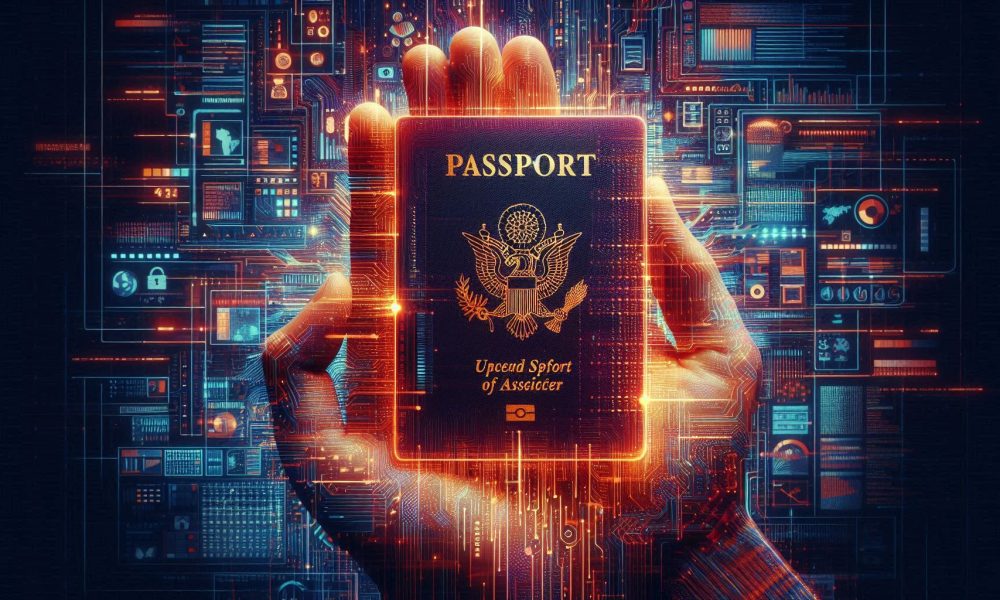
Identity change in 2025 is no longer confined to a courthouse or a dusty file in a government archive.
It is a dynamic process unfolding across multiple layers of law, technology, and administration. From traditional court orders granting name changes to modern digital registries that synchronize personal data across borders, identity change is now explained as both a legal right and a strategic process.
Governments, courts, and digital platforms are adapting to the growing demand for reinvention while striking a balance between oversight, privacy, and security. For individuals, understanding how identity change works today is essential for navigating the global environment of mobility, data, and personal transformation.
Why Identity Change Is a Global Issue
Identity defines access to opportunity. It determines who can open a bank account, board a flight, enroll in school, or buy property. Yet identities are not static. Life events such as divorce, gender transition, migration, political persecution, or reputational harm often drive the need for formal change.
Identity change is not only about correcting records; it is about survival, resilience, and living authentically. As crises and transformations grow more frequent in the modern world, governments are seeing more identity change requests than ever before.
Court Orders: The Traditional Mechanism
For centuries, courts have been the gatekeepers of identity change. In the United States, state courts oversee name-change petitions, which often require fingerprinting, background checks, and publication in a newspaper. In Canada, provincial courts and registries manage applications, sometimes offering sealed proceedings for vulnerable applicants.
European courts vary: Germany requires applicants to justify the necessity of name changes, while the United Kingdom allows deed poll changes without judicial oversight. Courts serve a dual purpose: granting individuals legitimacy while safeguarding against fraud, debt evasion, or criminal misuse.
Case Study: U.S. Court Oversight
In New York, a professional sought a legal name change after surviving domestic violence. The court waived the requirement for newspaper publication to protect the applicant’s safety, issuing a sealed order in its place. The ruling demonstrated judicial flexibility in striking a balance between public notice and personal security.
Digital Registries: The Modern Mechanism
Digital registries are transforming identity change from a paper-based process to an integrated system. Estonia’s e-Residency, Singapore’s Singpass, and the UAE’s digital ID platforms allow changes to cascade across banking, healthcare, and tax systems once approved.
Courts and administrative agencies increasingly feed decisions directly into registries, ensuring synchronization. While efficient, digital registries raise concerns about surveillance, centralized control, and cyber vulnerabilities. Still, they represent the future of identity change, where updates occur in real time and across multiple services simultaneously.
Case Study: Estonia’s Digital Registry
A technology entrepreneur in Tallinn changed their surname after marriage. Once the court order was issued, the digital registry automatically updated records across tax filings, business licenses, and travel documents. This integration saved time but also created a permanent digital trail, underscoring both the convenience and permanence of digital registries.
Balancing Privacy and Transparency
One of the most significant challenges in identity change is striking a balance between privacy and transparency. Courts often require public notices to prevent fraud, but such requirements can endanger applicants fleeing violence or persecution.
Digital registries, while efficient, store sensitive data that could be exposed in breaches. Governments are experimenting with sealed proceedings, restricted-access registries, and data minimization strategies to protect privacy without compromising integrity.
Case Study: Privacy Protection in Canada
A transgender applicant in Ontario used provincial privacy laws to update digital and legal records while sealing previous identifiers. Employers, universities, and licensing boards were updated through secure registry integration. The case demonstrated how privacy can be preserved in digital systems while ensuring the accuracy of records.
Citizenship and Residency Identity Change
Beyond local court orders, identity change often takes the form of a citizenship or residency transition. Citizenship-by-investment and residency-by-investment programs enable individuals to acquire a new national identity. Caribbean nations, such as Dominica, St. Lucia, and Antigua and Barbuda, have pioneered these programs, while European states like Malta and Portugal have introduced structured options. These programs are less judicial and more administrative, handled by specialized government units applying rigorous due diligence.
Case Study: Caribbean Citizenship
A South Asian family invested in Dominica’s program and received new passports within months. Government agencies conducted financial audits and security checks before approval. For the family, gaining citizenship was a strategic identity change, providing mobility, educational opportunities, and global access.
The Role of Refugee and Asylum Systems
For millions displaced by crisis, changing one’s identity is a humanitarian necessity. Refugees often arrive without documentation or with identities tied to conflict zones. Courts and administrative agencies issue new records under asylum frameworks, allowing access to healthcare, education, and work. Africa’s Huduma Namba in Kenya and Nigeria’s NIN modernization demonstrate how digital identity projects integrate refugees into host societies.
Case Study: Refugee Reintegration in Kenya
A refugee from South Sudan registered under Huduma Namba. The digital registry provided access to healthcare and vocational training, while sealed records protected against persecution risks. This identity change was more than a legal update; it was the key to rebuilding life.
Risks and Failures of Identity Change
Not all identity changes succeed. Courts may deny petitions if evidence of fraud or debt evasion emerges. Citizenship applications can collapse under due diligence scrutiny. Digital registries, while efficient, can inadvertently expose old data, undermining reinvention. Mismanaged identity changes leave applicants vulnerable, sometimes worse off than before.
Case Study: Failed Application in Malta
An entrepreneur seeking Maltese citizenship failed to disclose ongoing litigation abroad. Due diligence uncovered the omission, and the application was denied. The failure became public, further damaging the reputation. This case highlights the risks associated with incomplete disclosure during identity change.
Regional Perspectives on Identity Change
North America
Courts are central. The U.S. relies on state-level oversight, often demanding publication unless safety risks justify sealing. Canada integrates provincial registries with federal systems for passports and Social Insurance Numbers. Privacy protections are strong, but bureaucracy can delay reinvention.
Case Study: U.S. Disaster Survivor
A hurricane survivor in Louisiana lost all documentation. With court orders and administrative support, new records were issued, allowing access to aid and housing.
Europe
Europe emphasizes rights. GDPR ensures old data can be corrected or erased. Gender identity recognition is increasingly streamlined, though some countries still impose restrictive conditions. Digital registries under the EEU’s eIDAS framework are harmonizing systems across borders.
Case Study: German Reinvention
A German citizen recovering from trauma used legal name-change mechanisms and GDPR erasure rights to protect privacy. The case demonstrated how courts and registries collaborate to facilitate safe reinvention.
Gulf States
In the Gulf, reinvention is tied to economic and strategic priorities. Courts play a limited role, while residency systems, such as the UAE’s Golden Visa, hold significant influence. Digital registries are heavily controlled, providing efficiency but limited personal flexibility.
Case Study: UAE Residency Reinvention
A South Asian executive relocated to Dubai, gaining legal residency through the Golden Visa. The digital seamless update PTOo banking enables banks, accounts, and healthcare in a synchronized system.
Africa
Identity change is humanitarian-driven. Refugees and displaced populations often depend on administrative registries like Nigeria’s IN or Kenya’s Huduma Namba. Courts play a minimal role, with aid organizations providing support during transitions.
Case Study: Nigerian Reintegration
An internally displaced Nigerian obtained a NIN ID, unlocking access to microfinance and education. Identity change enabled survival and long-term stability.
Latin America
Latin America reflects diversity. Some states, such as Chile and Uruguay, provide progressive gender recognition laws, while others remain more conservative. Political crises drive widespread reinvention across borders.
Case Study: Venezuelan in Chile
A Venezuelan engineer rebuilt life in Chile through residency, later securing citizenship. Licensing boards updated credentials under the new identity, ensuring professional continuity.
Asia
Asia combines tradition with digital modernization. Japan requires strict court involvement, whereas India mandates publication in the Gazette. Singapore leads in digital registry integration, tying identity to Singpass for seamless reinvention.
Case Study: Reinvention in Singapore
A professional rebranded after corporate failure. Singpass integration updated licenses and registrations across agencies, showing both efficiency and heavy reliance on centralized systems.
Controversial and Failed Rulings
Not all court decisions favor reinvention. Some remain restrictive, sparking debate.
Case Study: Eastern Europe Denial
A transgender applicant was denied recognition in a conservative jurisdiction, with the court citing cultural tradition. Human rights groups condemned the ruling.
Case Study: Japan’s Sterilization Requirement
Japan’s courts have upheld laws requiring sterilization for gender marker changes. The ruling drew international criticism, highlighting restrictive conditions that persist in parts of Asia.
Case Study: U.S. Bankruptcy Case
A U.S. court denied a name change for an applicant with unresolved bankruptcy claims, ruling that an identity change could not erase financial accountability.
Best Practices in Government Handling of Identity Change
Some jurisdictions have emerged as models of efficiency, rights protection, and integration.
Canada’s Inclusive Approach: By offering sealed proceedings and privacy protections, Canada ensures safety without undermining transparency.
Estonia’s Digital Synchronization: The ability to update records instantly across systems demonstrates efficiency and reduces bureaucratic hurdles.
Chile’s Progressive Gender Laws: Simplified procedures for gender recognition allow individuals to align identity with dignity and authenticity.
Portugal’s Residency Integration: Streamlined Golden Visa pathways include precise tax alignment, preventing future conflicts.
Case Study: Canada’s Best Practice
A domestic violence survivor secured a name change under sealed records. The court coordinated with digital registries to update all identifiers at once. This best practice avoided duplication and exposure, establishing a standard for striking a balance between privacy and oversight.
Failures in Government Handling of Identity Change
Other jurisdictions demonstrate how poorly designed systems undermine reinvention.
Japan’s Restrictive Gender Rules: Mandatory sterilization continues to violate international human rights standards.
Fragmented U.S. State Rules: Variations between states create inconsistent access, which can delay or complicate reinvention.
Weak Privacy Protections in Some African States: Centralized digital registries without strong safeguards expose vulnerable applicants to surveillance and exploitation.
Overly Bureaucratic European States: In some cases, multiple levels of approval create delays that harm applicants seeking urgent reinvention.
Case Study: U.S. Fragmentation
A transgender individual in Texas faced repeated delays due to inconsistent state rules, which conflicted with federal recognition of gender identity. The case illustrates how fragmented systems can undermine reinvention, even when higher protections are in place.
Oversight Challenges Moving Forward
Governments must confront several challenges:
Preventing Abuse: Courts and agencies must distinguish between legitimate reinvention and fraudulent attempts to evade obligations.
Protecting Privacy: Digital registries must adopt encryption, data minimization, and protocols that limit access.
Ensuring Equality: Identity change must be available to all, not just those with financial means or social privilege.
Cross-Border Recognition: Global harmonization will be critical to ensuring new identities are recognized across jurisdictions.
The Human Right to Reinvention
Legal scholars argue that the right to change one’s identity is a fundamental human right tied to dignity, safety, and autonomy. International refugee conventions and human rights treaties increasingly support this view. Courts are slowly shifting toward treating identity as dynamic, not static, but progress remains uneven.
The Future of Identity Change
The next decade will see greater integration between courts, agencies, and digital registries. Automation will accelerate updates, while biometric verification will add an extra layer of security. Governments must strike a balance between efficiency and safeguards for privacy and human rights. For individuals, successful reinvention will depend on navigating the law, strategy, and digital ecosystems carefully.
Conclusion
Identity change is best understood as a continuum, from traditional court orders to modern digital registries. Courts remain guardians of legitimacy, while digital platforms provide efficiency and synchronization.
Governments face the challenge of striking a balance between transparency, privacy, and security. For individuals, identity change presents both opportunities and risks. In 2025, it is no longer an exception but a structured and evolving norm that reflects the realities of a changing world.
Contact Information
Phone: +1 (604) 200-5402
Signal: 604-353-4942
Telegram: 604-353-4942
Email: [email protected]
Website: www.amicusint.ca




