
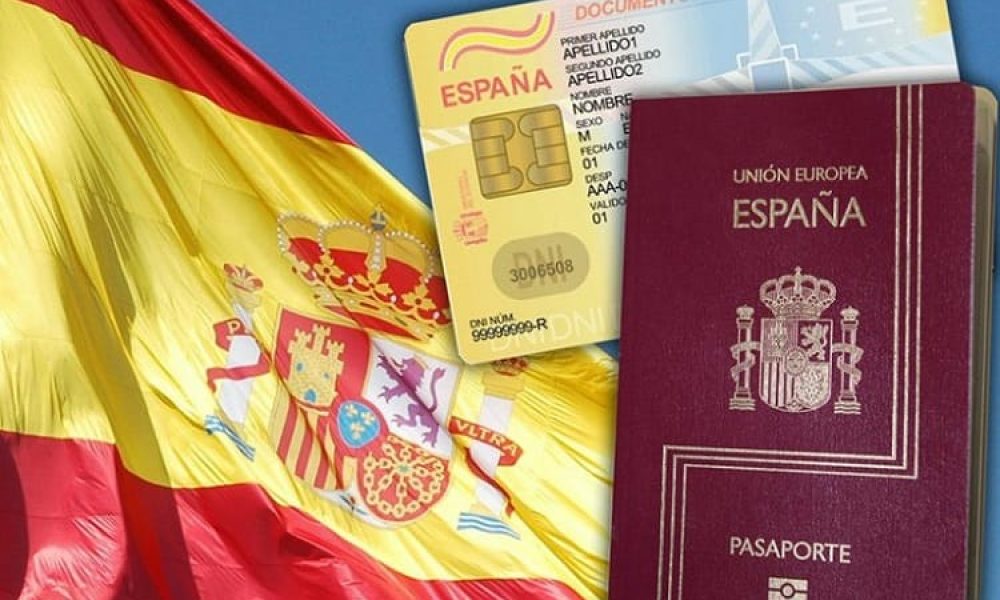
If you’re looking for information on how to buy property in Spain, rest assured that foreign buyers (including non-EU citizens) face no major restrictions. The purchasing process itself is relatively transparent but does involve legal, financial, and administrative steps. By learning about these procedures and being aware of possible pitfalls, you can complete your transaction smoothly.
General Overview of Purchasing Property
In this article, we’ll explain «How do I buy a property in Spain?» step by step, shedding light on all key aspects, including buying flats in Estepona and other Spanish regions. Answering the question can foreigners buy property in Spain, note that Spain encourages foreign investments in real estate — partly because it never fully recovered from the 2008 economic crisis. As a result, both EU and non-EU buyers, including those from the US, can invest here without significant obstacles.
Nevertheless, it’s crucial to understand that conditions differ for EU citizens and non-EU nationals. When exploring how to purchase a property in Spain, bear in mind that if you’re an EU resident, you’ll usually get easier mortgage terms and can stay in Spain visa-free for up to 90 days. Meanwhile, stricter mortgage conditions often apply to non-EU buyers, and some may need a visa to enter or remain in the country. Non-residents also pay higher annual taxes, such as the Non-Resident Income Tax (even with zero rental income).
Main Steps for Property Acquisition
To streamline buying property in Spain as a foreigner, follow the official requirements and plan each step carefully. Below is a detailed guide to buying a property in Spain:
- Obtain an NIE (Número de Identificación de Extranjero)
The NIE is a mandatory identification number for foreigners conducting any legal or financial transaction in Spain. Different NIE types exist for EU citizens and non-EU citizens, depending on whether you plan to reside in Spain or just own property. - Open a Spanish Bank Account
A local bank account is essential for buying flats in Spain for foreigners, since all financial transactions — payment of taxes, mortgage installments, and property costs — must be processed through a Spanish bank. Required documents vary for residents and non-residents, but typically include a passport, proof of income, and documentation related to the property purchase. - Sign a Preliminary Contract
The buyer and seller agree on terms and conditions through a pre-contract (sometimes called a «reservation agreement»), which usually requires a deposit of around 10% to secure the property. - Conduct Legal Due Diligence
Before finalizing the purchase, engage a lawyer to confirm there are no outstanding debts, liens, or other encumbrances associated with the property. This step helps avoid unwelcome surprises. - Complete the Final Transaction
Once you’re satisfied with the legal checks, you’ll sign the official title deed (escritura) before a notary and settle the remaining balance. After that, your ownership is registered with the relevant land registry.
Remember that buying property in Spain for US citizens aligns with the same procedure; however, certain specific tax obligations and banking requirements may apply if you are a US national.
Taxes and Additional Costs
Whether you’re asking how to buy an apartment in Spain or looking at other property types, it’s vital to consider all associated tax liabilities. Expect the following fees:
- Purchase Taxes
- ITP (Impuesto sobre Transmisiones Patrimoniales) for resale properties about 6–10%, depending on the region.
- VAT (IVA) at 10% plus Stamp Duty (AJD) at ~1.5% for new-build properties.
- Extra Charges
- Notary and Land Registry fees ~1–2.5% of property value.
- Lawyer fees ~1–2%.
- Yearly Obligations
- Non-Resident Income Tax 19–24% on a notional rental income (even if the property is not rented out).
- Local property tax (IBI) 0.4–1.1% of the cadastral value.
All taxes linked to the sale must be paid within 30 banking days after signing the notarial deed. Missing the deadline can trigger a 20% penalty plus interest.
Financing Options and Mortgages
If you’re wondering, how do i buy a property in Spain with financing, both EU and non-EU foreigners can secure mortgages from Spanish banks, though requirements for non-residents are stricter and usually require larger down payments (30–40%). Mortgages can also come from international lenders or specialized brokers, depending on your residency status and financial profile.
Buying Property in Spain After Brexit
Those curious about how to buy a property in Spain after Brexit should note that, despite new visa and tax regulations, UK nationals remain free to purchase Spanish real estate. However, they no longer enjoy unrestricted EU freedom of movement. This means that if they intend to stay longer than 90 days, they must apply for a relevant visa. There are also additional tax considerations post-Brexit.
Visa Pathways and Residency
Spain provides several visa categories for non-residents who purchase real estate:
- Golden Visa (Investor Visa)
A minimum investment of €500,000 in Spanish real estate grants a 2-year renewable residency permit, covering the investor, spouse, and dependents. It requires little physical presence in Spain, offers Schengen area travel, and may eventually lead to Spanish citizenship (after 10 years, with language and cultural requirements). - Non-Lucrative Visa
Aimed at those who have sufficient funds to support themselves without employment in Spain. Owning a property is optional but can strengthen your application. This permit disallows local work but can be renewed, leading to permanent residency after 5 years. - Digital Nomad Visa
Intended for remote workers or freelancers under contract with non-Spanish entities. Property ownership is optional but could help satisfy housing requirements. This visa allows residency for up to 1 year, renewable for a total of 5 years, and offers tax benefits under Spain’s “startup law.”
For those looking into buying property in Spain US citizen regulations, keep in mind potential double taxation. Balancing Spanish and US tax obligations is crucial.
Common Pitfalls and How to Avoid Them
While buying property in Spain as a foreigner can be rewarding, be aware of the most frequent issues:
- Inherited debt or liens (unpaid utilities, back taxes, or mortgages).
- Unlicensed constructions or additions that don’t meet local regulations.
- Fraudulent sellers or unclear title ownership.
- Underestimating or overlooking taxes and fees.
- Skipping crucial legal checks.
Engaging a qualified lawyer or advisor helps mitigate these challenges. By following a thorough process and verifying documents, you’ll have a safer and more satisfying experience, making how can I buy a property in Spain a straightforward question rather than a risky endeavor.
Final Thoughts
So, can a foreigner buy property in Spain and how easy is it to buy property in Spain? Absolutely. Whether you’re an EU resident or a US national, acquiring Spanish real estate remains an appealing, open opportunity — provided you understand the legalities and plan accordingly. In the end, hiring a professional lawyer is always a smart move, as they’re well-versed in Spanish legislation and can guide you through every detail. This ensures your investment meets all requirements when you decide how to buy a place in Spain.




