
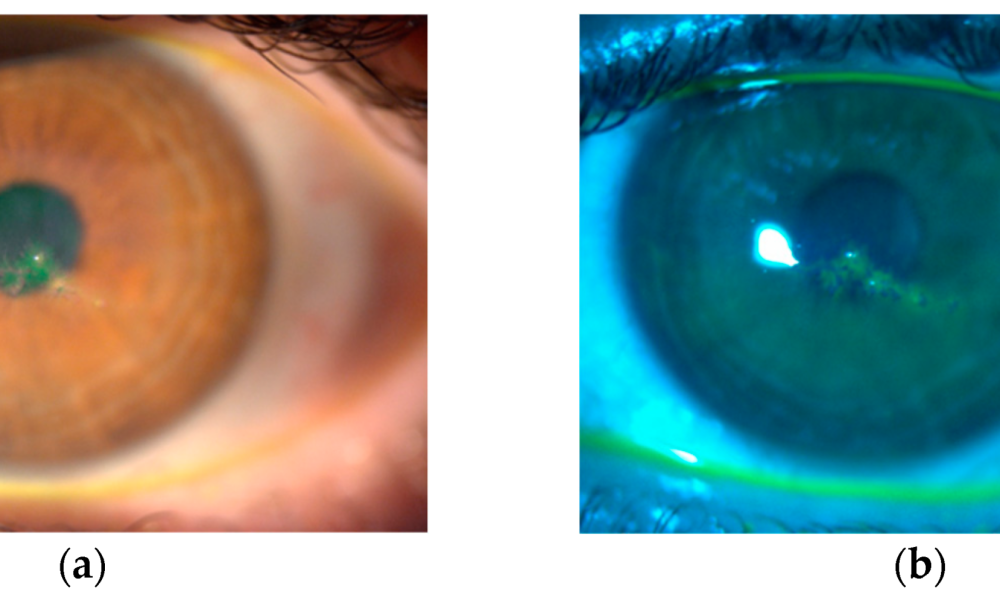
The global herpes simplex keratitis (HSK) treatment market is experiencing significant growth due to the increasing prevalence of herpes simplex virus infections and rising awareness about the potential severity of ocular complications. Herpes simplex keratitis, an eye infection caused by herpes simplex virus (HSV), can result in vision impairment and even blindness if left untreated. The urgency to preserve vision and manage symptoms effectively has led to increased demand for innovative therapies and treatment interventions. Patients and healthcare providers are prioritizing timely diagnosis and early initiation of therapy, which, in turn, is fueling the expansion of the HSK treatment market. The market encompasses antiviral drugs, advanced diagnostic tools, and supportive treatments aimed at minimizing corneal damage and improving patient outcomes.
The market was valued at approximately US$4.5 billion in 2023 and is expected to reach US$8.3 billion by 2030, growing at a compound annual growth rate (CAGR) of 9% during the forecast period. North America currently leads the market due to high prevalence rates of HSV infections, well-established healthcare infrastructure, and increased awareness among medical professionals regarding the risks associated with untreated HSK. Antiviral drugs such as acyclovir, valacyclovir, and ganciclovir remain the most widely adopted treatment segment, driving market growth. The growth is further supported by advancements in diagnostic technologies such as polymerase chain reaction (PCR), optical coherence tomography (OCT), and AI-assisted diagnostic tools, which facilitate accurate and timely identification of HSK. The increasing demand for eye health services, combined with the aging population and government initiatives in healthcare, also contributes significantly to the market’s expansion.
Download Your Free Sample & Explore Key Insights: https://www.persistencemarketresearch.com/samples/33990
Key Highlights from the Report
• The herpes simplex keratitis treatment market is projected to grow at a CAGR of 9% from 2023 to 2030.
• North America dominates the market owing to a high prevalence of HSV infections and advanced healthcare systems.
• Antiviral drugs remain the leading product segment due to their effectiveness in managing HSK.
• Telemedicine adoption is emerging as a key opportunity to enhance access to treatment in underserved regions.
• Advanced diagnostic technologies, including PCR and OCT, are accelerating early detection and treatment.
• Government funding and public health awareness campaigns are supporting market growth globally.
Market Segmentation
The herpes simplex keratitis treatment market is segmented primarily by drug type, route of administration, and end-user. By drug type, the market is dominated by antiviral medications such as acyclovir, valacyclovir, and famciclovir, which are widely prescribed due to their proven efficacy in reducing viral replication and preventing recurrence. Other drugs, including ganciclovir and newer long-acting antiviral agents, are emerging to address gaps in treatment and improve patient compliance. In terms of administration, topical formulations such as eye drops and gels remain the most preferred due to direct application to the cornea, which enhances localized drug delivery and minimizes systemic side effects. Oral antivirals provide systemic therapy for recurrent or severe infections, while injectable forms are reserved for critical cases requiring immediate intervention.
End-users for HSK treatments include hospitals, specialized ophthalmic clinics, and outpatient care centers. Hospitals account for the largest share of the market due to their comprehensive facilities, access to ophthalmologists, and ability to provide both diagnostic and therapeutic services. Ophthalmic clinics are increasingly adopting advanced antiviral therapies and diagnostic tools, catering to patients seeking specialized care. Moreover, the market is witnessing growth in home-based and telemedicine-based care services, enabling remote patient monitoring and follow-up, which is especially beneficial for individuals in rural and underserved regions. This segmentation highlights the diverse treatment approaches and healthcare delivery channels that collectively drive the expansion of the HSK treatment market.
Regional Insights
North America remains the largest market for herpes simplex keratitis treatment due to a combination of high HSV prevalence, strong healthcare infrastructure, and patient awareness regarding vision preservation. The region benefits from access to advanced antiviral therapies, diagnostic technologies, and specialized ophthalmic care, making it the preferred hub for HSK management. Europe is another prominent market, supported by stringent regulatory frameworks, well-established pharmaceutical companies, and increasing adoption of generic antiviral medications. Asia-Pacific is witnessing rapid growth, driven by government initiatives, public health awareness campaigns, and expanding healthcare infrastructure in countries like India, China, and Japan. Latin America and the Middle East & Africa are emerging markets, with growth primarily fueled by rising HSK incidence, increasing accessibility to affordable antiviral drugs, and improving healthcare delivery in urban areas.
Get Custom Insights Designed for Your Business: https://www.persistencemarketresearch.com/request-customization/33990
Market Drivers
The primary driver of the herpes simplex keratitis treatment market is the growing prevalence of HSV infections worldwide, which significantly increases the risk of ocular complications. Patients and healthcare providers are increasingly aware of the severity of HSK, leading to early diagnosis and prompt initiation of antiviral therapy. Advancements in diagnostic technologies, such as PCR, optical coherence tomography, and AI-assisted screening tools, enable rapid detection and better disease management, enhancing treatment outcomes. The rising geriatric population, particularly in developed regions, is also a contributing factor, as older individuals are more susceptible to HSV infections and related corneal complications. Additionally, increasing adoption of telemedicine and remote patient monitoring facilitates timely care, improves adherence to treatment regimens, and expands access to specialized therapies in underserved areas. Government initiatives and investments in eye care programs further support market growth by promoting awareness and improving healthcare infrastructure.
Market Restraints
High costs associated with antiviral medications and advanced treatment options represent a significant restraint for the HSK treatment market. Expensive therapies may limit patient access, particularly in regions with lower socioeconomic conditions, leading to reduced compliance and suboptimal treatment outcomes. The lack of highly targeted antiviral therapies further constrains treatment options, as conventional medications may not efficiently eliminate the virus and can cause side effects. Resistance development to existing antiviral drugs also poses a challenge, potentially reducing the effectiveness of long-term treatment regimens. Moreover, disparities in healthcare infrastructure across developing and underdeveloped regions limit access to specialized ophthalmic care, slowing market adoption despite increasing disease prevalence.
Market Opportunities
The herpes simplex keratitis treatment market presents substantial opportunities for growth through the integration of telemedicine and remote patient monitoring technologies. Telemedicine enables healthcare providers to offer consultations and follow-ups without requiring in-person visits, which is particularly valuable for patients in rural or underserved regions. Remote monitoring tools allow clinicians to track treatment response and adjust therapy promptly, improving adherence and outcomes. Furthermore, ongoing research and development of novel antiviral drugs, gene therapies, and immunomodulatory treatments hold the potential to address unmet clinical needs, offering more effective, long-lasting, and patient-friendly options. Strategic collaborations between pharmaceutical companies, research institutes, and healthcare providers can accelerate the development and deployment of innovative therapies, expanding market reach and enhancing treatment accessibility.
Checkout Now & Download Complete Market Report: https://www.persistencemarketresearch.com/checkout/33990
Company Insights
• GlaxoSmithKline – Focuses on the development and distribution of antiviral medications for HSK management.
• Vectans Pharma – Specializes in topical ophthalmic formulations for herpes simplex keratitis treatment.
• Blistex – Provides supportive eye care solutions targeting corneal infections and inflammation.
• Bausch Health – Known for the leading HSK therapy Zirgan (ganciclovir ophthalmic gel) and continuous innovation in gene therapy and drug delivery systems.
• Aurobindo Pharma – Offers affordable generic antiviral drugs for HSK, catering to developing nations.
• Dr. Reddy’s Laboratories – Produces and markets antiviral medications and collaborates on awareness campaigns and healthcare programs.
• Cipla – Focuses on cost-effective generic antiviral drugs, ensuring accessibility across over 80 countries.
• Jubilant Cadista – Develops and manufactures ophthalmic antiviral medications and topical treatments.
• Mylan – Provides generic antiviral therapies with a global distribution network for HSK treatment.
• Novartis International AG – Innovates antiviral drug formulations and supports research in ocular infections.
Recent Developments
Molbio Diagnostics launched the Truenat HSV 1/2 test in January 2023, enabling rapid, point-of-care PCR testing for herpes simplex virus with results in one hour, improving accessibility and early intervention, particularly in resource-limited settings.
In October 2021, Cheng Kung University and Shanghai Public Health Clinical Centre collaborated with United BioPharma to study UB-621, a long-acting antiviral for HSV 1 and 2, potentially providing longer-lasting treatment and enhancing patient compliance compared to existing therapies.
Conclusion
The herpes simplex keratitis treatment market is poised for robust growth in the coming years, driven by rising prevalence of HSV infections, increasing awareness of vision-threatening complications, and technological advancements in antiviral therapies and diagnostics. North America maintains dominance due to high infection rates and advanced healthcare systems, while regions such as Asia-Pacific and Europe offer significant growth potential through government initiatives, public health awareness, and expanding access to affordable treatments. The market benefits from opportunities presented by telemedicine, remote patient monitoring, and the development of novel therapeutic approaches including gene therapy and targeted antiviral drugs. Key players, such as Bausch Health, Cipla, and GlaxoSmithKline, are strategically investing in research and innovation, aiming to deliver effective, patient-centric treatments. Despite challenges posed by high treatment costs and limited targeted therapies, the market outlook remains positive, with continued collaboration, technological advancement, and patient-focused initiatives expected to fuel growth and improve outcomes for patients affected by herpes simplex keratitis.




