
These days, safety is one of the best as our world keeps changing fast. As a result of this, there is a need for strong ways to protect our homes, businesses, and public places. Video surveillance systems are a big part of this. They used to be simple, but now they’re advanced, using the internet to work. The best thing that you will analyze is that; these cameras help keep an eye on things and make places safer. They record clear videos, analyze them, and save them. This helps both businesses and people to be safer and deal with problems better, making everything run smoother in our busy world. Let’s have a look to know more about the steps to follow in order to improve security and productivity.
What are Video Surveillance Systems
In simple words, Video Surveillance systems, also called Closed-Circuit Television (CCTV), are like a group of eyes and recorders. They watch and record what’s happening in a certain place. These cameras can show what’s happening right away or later. They’re really important for keeping places safe, stopping bad things from happening, and helping to solve problems. They make everyone feel safer and more peaceful.
Importance of Security in Various Settings
Making Things Safer with Video Cameras: Whether you’re at home or running a business, video cameras help keep you safe. Homeowners can watch their homes from far away using motion detection and alerts on their phones. And for businesses, these cameras protect stuff, stop stealing, and keep workers safe. They also help see how things are going at work and make things run better. With video cameras, both homes and businesses can feel safer and more confident about what’s happening.
Evolution of Video Surveillance Systems in Public Safety
In busy places like airports, train stations, and malls, video cameras help stop crime, find suspects, and act fast in emergencies. Cameras used to be big and simple, but now they’re smaller and show clear pictures. This makes them more reliable, cheaper, and better for keeping people safe. With new technology, these cameras keep getting better, making public places safer for everyone.
Key Components of Video Surveillance Systems
Cameras and Storage Solutions for Video Surveillance Systems
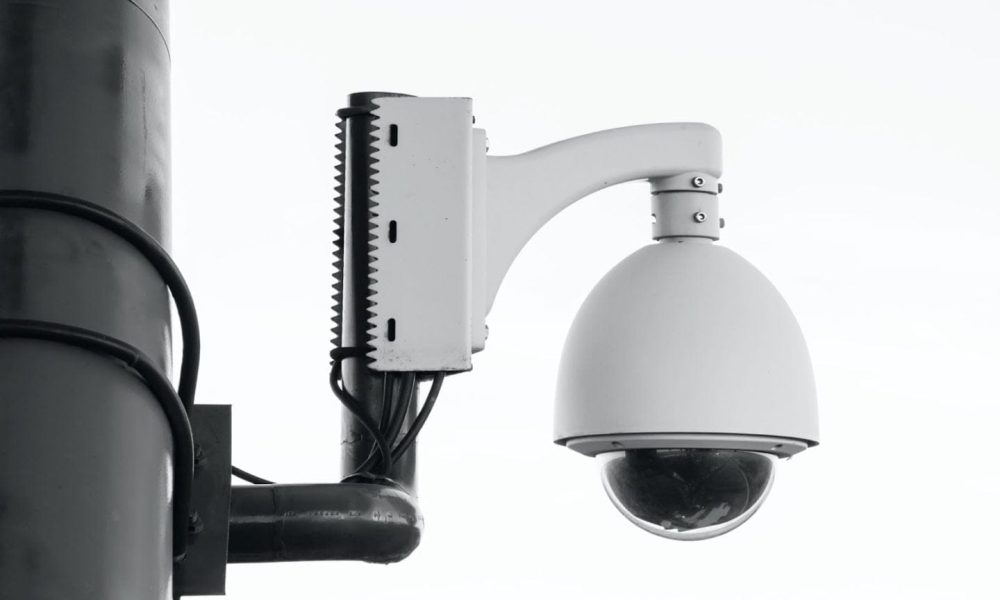
Cameras serve as the foundation of any video surveillance system, available in diverse types like dome, bullet, and PTZ (Pan-Tilt-Zoom) cameras, each offering distinct features. These cameras capture footage crucial for monitoring and security purposes. Complementing them are storage systems like DVRs (Digital Video Recorders) and NVRs (Network Video Recorders), essential for storing and managing recorded video data. As technology advances, cloud-based storage solutions are gaining popularity due to their scalability and ease of access. Together, these components form an integrated system vital for effective surveillance and security management.
Monitoring and Control Systems for Video Surveillance
Monitoring and control systems enable users to remotely access live feeds, playback recordings, and adjust camera settings. Accessible through desktop computers, smartphones, or dedicated monitoring stations, these systems provide convenient oversight and management of video surveillance operations. With the ability to monitor and control cameras from anywhere, users can ensure continuous surveillance and respond promptly to security events, enhancing overall safety and protection.
Benefits of Video Surveillance Systems
#1. Crime Deterrence and Evidence Collection
Video surveillance systems serve dual purposes: deterring criminal activity and providing evidence in case of security breaches. The presence of cameras alone acts as a deterrent against theft, burglary, and vandalism. In the unfortunate event of an incident, recorded video footage becomes crucial evidence for law enforcement investigations and insurance claims. By both preventing crime and aiding in its resolution, these systems play a vital role in maintaining security and ensuring justice.
#2. Remote Monitoring and Increased Efficiency
With remote access capabilities, users can monitor their premises from anywhere in the world, ensuring round-the-clock surveillance and peace of mind. Furthermore, video surveillance systems contribute to increased operational efficiency by identifying bottlenecks, optimizing workflows, and minimizing downtime. By combining remote monitoring with enhanced operational insights, these systems offer comprehensive solutions for both security and productivity needs.
Considerations for Implementing Video Surveillance Systems
Before deploying a video surveillance system, it’s important to carefully assess several factors:
Location, Coverage, and Lighting Considerations
When setting up surveillance systems, it’s essential to identify critical areas like entry points, parking lots, and high-traffic zones that require coverage. Additionally, consider lighting conditions, including both natural and artificial sources, as they significantly impact the quality of video footage. By strategically assessing location and lighting factors, you can optimize surveillance coverage and ensure clear and effective monitoring capabilities across various environments.
Privacy and Following the Law
When setting up video surveillance systems, it’s important to think about privacy and follow the rules. This means obeying privacy regulations to protect people’s rights in the area being watched. Also, make sure you know the local laws about using surveillance cameras, including how long you can keep recordings and privacy rules. By focusing on privacy and obeying the law, you can lower risks and use surveillance cameras responsibly.
Types of Video Surveillance Systems
Different types of video surveillance systems are available, each with unique features:
Analog Systems: These traditional systems send video signals through coaxial cables. They work well for small-scale setups.
IP-Based Systems: These systems use digital cameras and network infrastructure to transmit video data over IP networks. They offer better resolution and flexibility.
Wireless Systems: These systems don’t need cables, which makes them perfect for temporary setups or places where wiring is difficult.
Advancements in Video Surveillance Technology
In recent years, video surveillance technology has seen significant progress, bringing about various innovations to enhance security and efficiency. These advancements include:
AI-Powered Analytics: Utilizing artificial intelligence (AI), modern surveillance systems can analyze video footage in real time to detect potential threats efficiently.
Edge Computing: The adoption of edge computing allows for faster processing and response times within surveillance networks, enabling quicker identification and mitigation of security risks.
Integration with IoT Devices: Video surveillance systems now seamlessly integrate with Internet of Things (IoT) devices, enabling automation and centralized control for enhanced security measures.
Successful Implementations in Various Sectors
Numerous case studies underscore the effectiveness of video surveillance systems across diverse sectors:
Retail Stores: By strategically placing cameras, retail establishments have successfully reduced theft and shrinkage, thereby improving overall security and minimizing financial losses.
Schools: Educational institutions have implemented video surveillance systems to enhance campus safety and monitor student behavior, fostering a secure learning environment.
Smart Cities: Cities are leveraging video analytics to optimize traffic flow and public services, leading to improved urban management and enhanced safety for residents.
Challenges and Limitations
Despite their many benefits, video surveillance systems also face challenges and limitations:
Privacy Concerns: The widespread use of surveillance cameras raises concerns regarding individual privacy rights and the potential for intrusive monitoring.
Cost: Implementing and maintaining comprehensive surveillance networks can be expensive, posing financial challenges for organizations, particularly smaller businesses and public institutions.
Data Security: Safeguarding video footage from unauthorized access and cyber threats is a critical concern, necessitating robust security measures to protect sensitive information.
Wrap up:
In summary, video surveillance systems are really important for making places safer and more efficient. They use the latest technology to give great protection and peace of mind. But it’s also important to think about things like privacy, following the law, and how much it costs when setting up a surveillance system. Thank you for reaching out!




