
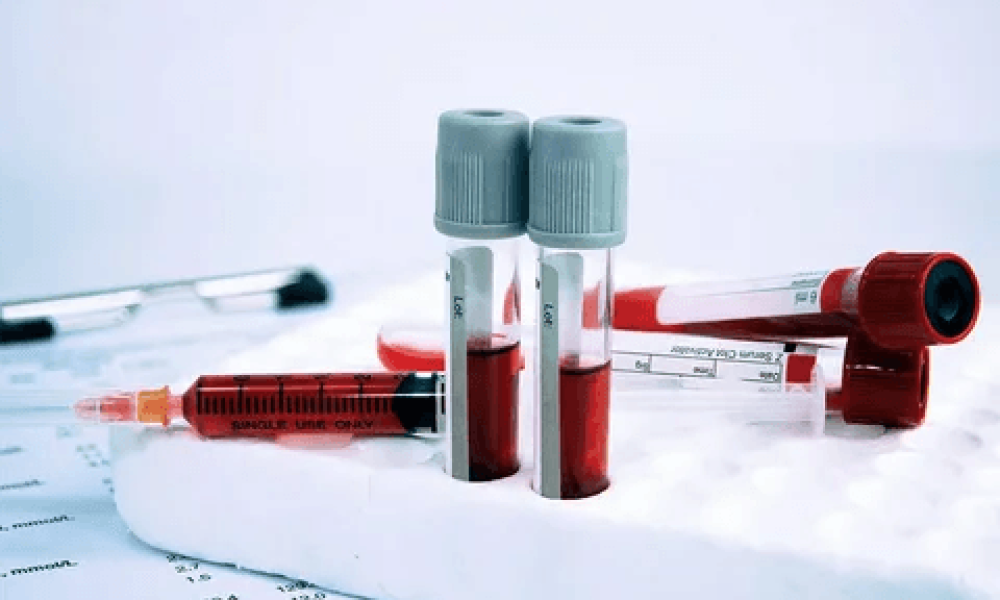
The global hematology diagnostic market is projected to grow from USD 780.0 million in 2023 to USD 2.0 billion by 2033, registering an impressive CAGR of 9.9% during the forecast period.
𝐑𝐞𝐪𝐮𝐞𝐬𝐭 𝐚 𝐒𝐚𝐦𝐩𝐥𝐞 𝐑𝐞𝐩𝐨𝐫𝐭 𝐍𝐨𝐰 𝐭𝐨 𝐠𝐞𝐭 𝐏𝐫𝐞𝐦𝐢𝐮𝐦 𝐈𝐧𝐬𝐢𝐠𝐡𝐭𝐬: https://www.futuremarketinsights.com/report-sample#5245502d47422d39303436
𝐊𝐞𝐲 𝐌𝐚𝐫𝐤𝐞𝐭 𝐃𝐫𝐢𝐯𝐞𝐫𝐬:
- Rising Prevalence of Blood Disorders and Cancer: The increasing incidence of blood disorders such as thalassemia, anemia, sickle cell disease, and hematologic cancers (e.g., leukemia, lymphoma, and myeloma) is driving the demand for advanced hematology diagnostics.
- Increasing Prevalence of Chronic and Infectious Diseases: Growing cases of chronic diseases like diabetes and cardiovascular disorders, as well as infectious diseases, necessitate accurate blood analysis for diagnosis and monitoring.
- Technological Advancements and R&D: Significant advancements in diagnostic technologies such as flow cytometry, molecular diagnostics, and automated hematology analyzers are enhancing diagnostic accuracy and efficiency.
- Integration of Artificial Intelligence (AI) and Telehealth: The adoption of AI-powered diagnostics, integrated with flow cytometry and telehealth solutions, is streamlining remote diagnosis and personalized patient care.
- Growing Awareness and Improved Healthcare Infrastructure: Increased awareness about blood disorders, coupled with improving healthcare infrastructure and standardized diagnostics, is bolstering market growth.
𝐌𝐚𝐫𝐤𝐞𝐭 𝐃𝐲𝐧𝐚𝐦𝐢𝐜𝐬 𝐚𝐧𝐝 𝐓𝐫𝐞𝐧𝐝𝐬:
- Shift to Non-Invasive Diagnostics: Increasing preference for non-invasive hematology devices to enhance patient comfort and compliance.
- Point-of-Care Diagnostics: Rising demand for point-of-care (POC) hematology diagnostics for quick and accurate results, especially in emergency and critical care settings.
- Standardization and Efficiency: Enhanced efficiency and standardization in diagnostic procedures, facilitated by automated and high-throughput hematology analyzers.
- Personalized Medicine Approach: Growing trend towards personalized medicine and precision diagnostics to provide tailored treatment plans.
𝐀 𝐂𝐨𝐦𝐩𝐫𝐞𝐡𝐞𝐧𝐬𝐢𝐯𝐞 𝐅𝐮𝐥𝐥 𝐑𝐞𝐩𝐨𝐫𝐭 : https://www.futuremarketinsights.com/reports/hematology-diagnostics-market
𝐂𝐡𝐚𝐥𝐥𝐞𝐧𝐠𝐞𝐬 𝐚𝐧𝐝 𝐎𝐩𝐩𝐨𝐫𝐭𝐮𝐧𝐢𝐭𝐢𝐞𝐬:
- Challenges: High costs associated with advanced diagnostic devices and a shortage of skilled professionals in specialized hematology diagnostics.
- Opportunities: Emerging markets in Asia-Pacific and Latin America, technological advancements in molecular diagnostics, and increasing adoption of AI and machine learning in diagnostics.
𝐂𝐨𝐦𝐩𝐞𝐭𝐢𝐭𝐢𝐯𝐞 𝐋𝐚𝐧𝐝𝐬𝐜𝐚𝐩𝐞:
Top companies in the hematology diagnostic market are focusing on:
- Product Innovations: Development of next-generation hematology analyzers, molecular diagnostics, and AI-integrated devices.
- Strategic Collaborations: Collaborations with hospitals, research institutes, and healthcare providers to expand their market presence.
- Expansion into Emerging Markets: Increased focus on expanding into emerging regions with growing healthcare needs and improving healthcare infrastructure.
𝐅𝐮𝐭𝐮𝐫𝐞 𝐎𝐮𝐭𝐥𝐨𝐨𝐤:
The hematology diagnostic market is poised for substantial growth, driven by the increasing prevalence of blood disorders and cancers, continuous technological advancements, and the growing adoption of AI-powered and non-invasive diagnostics. Expanding applications in point-of-care settings and personalized medicine will further drive market expansion.
𝐊𝐞𝐲 𝐃𝐫𝐢𝐯𝐞𝐫𝐬
Rising Prevalence of Blood Disorders and Cancer: The increasing incidence of blood-related diseases such as leukemia, lymphoma, and hemophilia is driving demand for hematology diagnostics.
Chronic, Acute, and Infectious Diseases: The growing prevalence of these diseases accelerates the need for accurate and efficient diagnostic tools in hematology.
Technological Advancements: Innovations in diagnostic technologies, including AI integration with flow cytometry, enhance the efficiency and accuracy of hematology diagnostics, propelling market growth.
Healthcare Infrastructure and Patient Population: Expanding healthcare infrastructure and a growing patient population with conditions like thalassemia, anemia, and sickle cell disease contribute to market expansion.
Point-of-Care Diagnostics: The increasing adoption of point-of-care diagnostics reduces testing time and improves result accuracy, further driving market growth.
High-Tech and Non-Invasive Devices: The adoption of advanced, non-invasive hematology devices enhances patient comfort and diagnostic efficiency, supporting market opportunities.
𝐂𝐨𝐦𝐩𝐫𝐞𝐡𝐞𝐧𝐬𝐢𝐯𝐞 𝐈𝐧-𝐕𝐢𝐭𝐫𝐨 𝐃𝐢𝐚𝐠𝐧𝐨𝐬𝐭𝐢𝐜𝐬 𝐃𝐞𝐯𝐢𝐜𝐞𝐬 𝐈𝐧𝐝𝐮𝐬𝐭𝐫𝐲 𝐀𝐧𝐚𝐥𝐲𝐬𝐢𝐬: 𝐂𝐨𝐧𝐬𝐮𝐦𝐞𝐫 𝐓𝐫𝐞𝐧𝐝𝐬, 𝐊𝐞𝐲 𝐏𝐥𝐚𝐲𝐞𝐫𝐬, 𝐚𝐧𝐝 𝐌𝐚𝐫𝐤𝐞𝐭 𝐅𝐨𝐫𝐞𝐜𝐚𝐬𝐭𝐬 𝐀𝐜𝐫𝐨𝐬𝐬 𝟐𝟎+ 𝐂𝐨𝐮𝐧𝐭𝐫𝐢𝐞𝐬 – https://www.futuremarketinsights.com/industry-analysis/in-vitro-diagnostics-devices
𝐎𝐭𝐡𝐞𝐫 𝐏𝐫𝐨𝐦𝐢𝐧𝐞𝐧𝐭 𝐏𝐥𝐚𝐲𝐞𝐫𝐬 𝐢𝐧 𝐭𝐡𝐞 𝐌𝐚𝐫𝐤𝐞𝐭 𝐚𝐫𝐞
- Meyland Smith A/S
- Abbot Laboratories
- Bio-Rad Laboratories
- Sysmex Corporation
- Mindray Medical International Limited
- Siemens Healthlineers
- F. Hoffman-La Roche Ltd.
- HORIBA Ltd.
- HemoCue AB
- Danaher (Beckman Coulter Inc.)
- Nihon Kohden Corporation
- EKF Diagnostics
- Ortho Clinical Diagnostics
- Drew Scientific
𝐇𝐞𝐦𝐚𝐭𝐨𝐥𝐨𝐠𝐲 𝐃𝐢𝐚𝐠𝐧𝐨𝐬𝐭𝐢𝐜𝐬 𝐌𝐚𝐫𝐤𝐞𝐭 𝐛𝐲 𝐂𝐚𝐭𝐞𝐠𝐨𝐫𝐲
By Kit Type:
- Anemia and Iron Test Kits
- Folic Acid Testing Kits
- Sickle Cell Screening Kits
- PT/INR Testing Kits
- D-dimer Testing Kits
- Blood Typing Kits
- Leukemia Testing Kits
- Sepsis Testing Kits
- Antibiotics Resistance Panels
- Bacterial & Fungal Panels
By Modality:
- Point of Care
- Lab-based Testing
By Distribution Channel:
- Hospitals
- Diagnostic Laboratories
- Cancer Research Institutes
- Retail Pharmacies
- Drug Store
- Online Sales Channels
By Region:
- North America
- Latin America
- Europe
- South Asia & Pacific
- East Asia
- Middle East & Africa (MEA)




