
Gap insurance wrecked car situations create a financial picture that many drivers don’t fully understand until they’re in the middle of one — and by then the decisions that matter most have a tight timeline. Understanding how gap insurance actually works, what it covers and what it doesn’t, and what options exist beyond what the insurance process alone provides puts drivers in a significantly better position to move forward quickly and make choices that serve their actual financial interests rather than just following a process they don’t fully understand.
What Gap Insurance Actually Covers
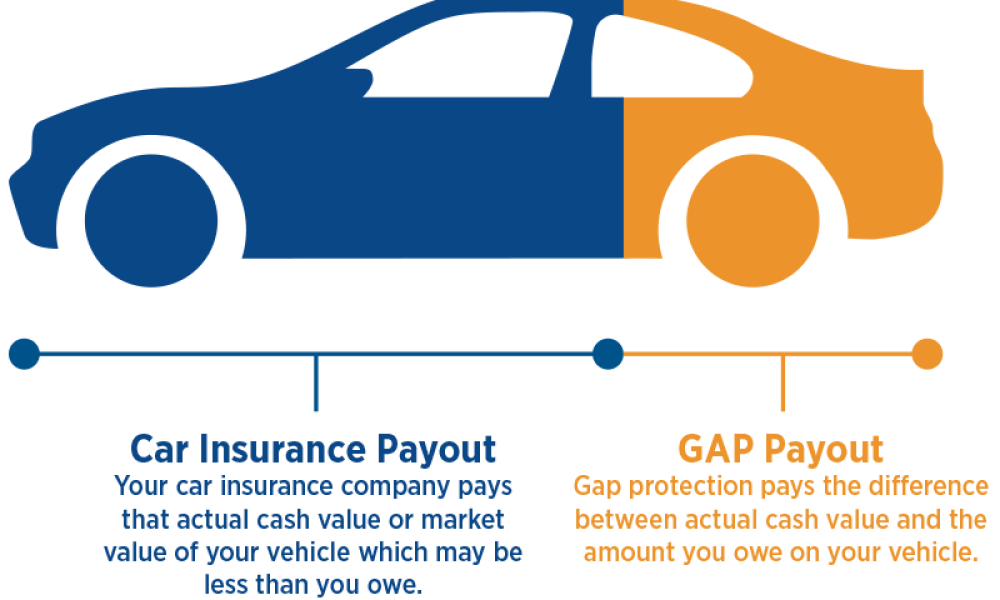
Gap insurance — Guaranteed Asset Protection — exists to address a specific financial problem that arises when a financed or leased vehicle is declared a total loss. When an insurer totals a vehicle, they pay out the vehicle’s actual cash value at the time of the accident, not the outstanding loan balance. For newer vehicles, particularly those bought with minimal down payment or financed over longer terms, the actual cash value is frequently lower than what’s still owed on the loan — sometimes by several thousand dollars.
Without gap coverage, the driver owes that difference out of pocket even after the insurance settlement is paid. Gap insurance covers that difference — the gap between what the insurance company pays and what the loan balance actually is — so the driver isn’t left paying for a vehicle they can no longer drive.
What gap insurance doesn’t cover is the driver’s deductible, any negative equity that was rolled from a previous loan into the current one beyond certain limits, and in most cases the down payment on a new vehicle. Understanding those limitations matters because drivers frequently assume gap insurance resolves the entire financial situation when it actually resolves only the loan balance portion of it.
When Gap Insurance Still Leaves You Short
Even with gap insurance in place, the resolution of a total loss claim frequently leaves drivers without the resources they expected to have for replacing the vehicle. The gap payment goes directly to the lender to satisfy the remaining loan balance — it doesn’t put money in the driver’s pocket. If the actual cash value payment from the insurer goes to the lender first and the gap payment covers the remainder, the driver ends the process with zero equity and needs to finance a replacement vehicle entirely from scratch.
This is where the wrecked car trade in process offers something the insurance resolution alone doesn’t. For vehicles where the total loss declaration hasn’t been finalized, or where the driver retains the salvage title and the vehicle itself after the settlement, there may be options for applying whatever remaining value exists in the vehicle toward a replacement rather than simply letting it disappear into the insurance and lending process.
When the Loan Situation Complicates the Trade Path
For drivers exploring a trade on a wrecked vehicle that still has an outstanding loan balance, the loan situation needs to be addressed as part of the process rather than set aside. The lender holds the title to any financed vehicle until the loan is paid off, which means the trade process involves coordinating the payoff of the existing loan alongside the application of pre-wreck trade credit toward a replacement.
The trade my car in Virginia process accounts for this — working through the existing lien to structure a transaction that resolves the loan while applying whatever trade equity exists toward the replacement vehicle. For drivers with gap insurance in place, understanding how the gap payment, the trade credit, and the new financing all interact before starting the process is what prevents surprises mid-transaction.
Timing and Why It Matters
One of the most important and least understood aspects of gap insurance wrecked car situations is timing. Gap insurance claims typically need to be filed within a specific window after the total loss declaration — and that window runs simultaneously with the insurance company’s settlement process, the title transfer process, and whatever decisions the driver is making about replacement transportation. Letting any part of that process run without attention while waiting for another part to resolve can create gaps in coverage or eligibility that cost money unnecessarily.
For Virginia drivers the Roanoke wrecked car trade in team understands how these timelines interact and can help structure a path forward that accounts for where the gap insurance claim, the existing loan, and the replacement vehicle process all stand simultaneously rather than treating them as separate sequential decisions.
Moving Forward When the Financial Picture Is Complex
The drivers who handle gap insurance wrecked car situations best are those who get a complete picture of all their options early — before the insurance company’s settlement clock has run or before decisions get made by default because time ran out. A conversation about what the trade process looks like given the specific loan situation, gap coverage, and vehicle condition costs nothing and takes very little time — and it frequently reveals options that drivers assumed weren’t available to them.




