
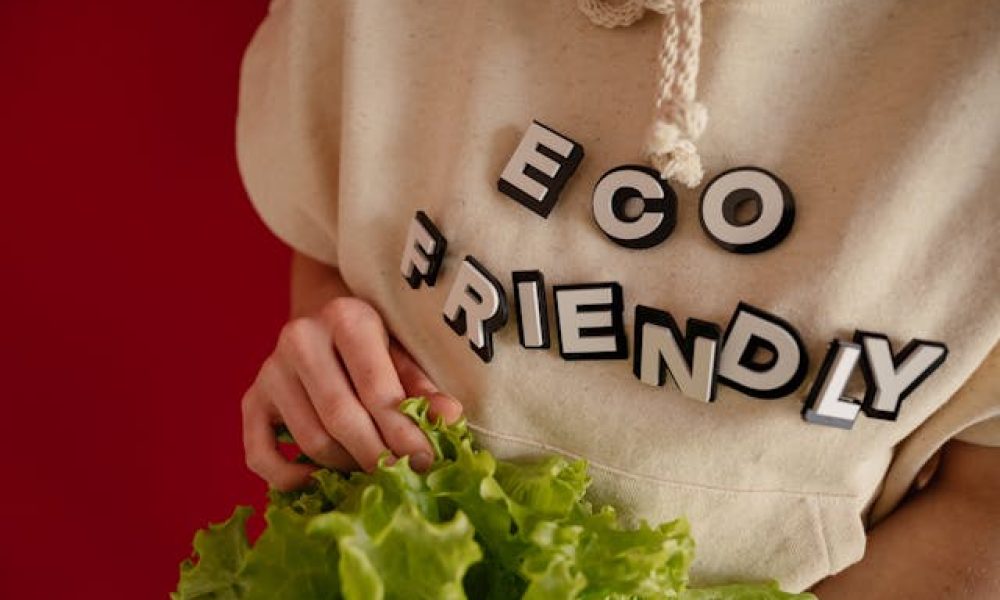
Once considered a niche interest or fleeting trend, sustainable fashion has evolved into a powerful movement that’s reshaping the clothing industry from the inside out. More than just a buzzword, sustainability now informs how brands design, manufacture, and distribute their products—driven by a combination of consumer demand, environmental urgency, and ethical accountability.
The Rise of Conscious Consumers
Today’s shoppers are more informed than ever before. With social media, documentaries, and investigative journalism shedding light on the environmental and human toll of fast fashion, consumers are rethinking their purchases. Many now prioritize transparency, supply chain ethics, and carbon footprint over cheap price tags and short-lived trends. This shift in consumer values isn’t just influencing high-end labels; even mainstream brands are being held to higher standards and pressured to adopt sustainable practices.
A recent study by McKinsey revealed that nearly 67% of consumers now consider the use of sustainable materials to be a key factor in their buying decisions. More than half are willing to pay more for clothing that’s eco-conscious and ethically made. This growing awareness is creating an industry-wide ripple effect—turning sustainability from a marketing tool into a foundational business principle.
Environmental Impact: A Turning Point
The fashion industry is one of the world’s biggest polluters, responsible for roughly 10% of global carbon emissions and an estimated 20% of global wastewater. The mass production of synthetic fabrics, use of toxic dyes, and over-reliance on water-intensive crops like cotton have all contributed to this grim statistic.
Sustainable clothing initiatives aim to turn this around by using organic fabrics, natural dyes, recycled materials, and low-impact production methods. Brands are investing in innovations such as biodegradable textiles and circular fashion models, where clothes are designed to be reused, repaired, or recycled rather than discarded. These changes aren’t just good for the environment—they also make good business sense in an era when green credentials matter more than ever.
Expanding the Sustainable Fashion Landscape
Sustainability isn’t just about fabrics or production processes; it also involves inclusivity, durability, and timeless design. Brands that were once overlooked are now gaining recognition for combining eco-conscious manufacturing with real-world wearability. For instance, the demand for stylish and sustainable occasionwear has opened new doors for designers and retailers who serve diverse body types.
One example can be seen in the growing popularity of thoughtfully crafted, size-inclusive fashion. Shoppers seeking something elegant, ethical, and well-fitting—like a plus size mother of the bride outfit—can now find stylish, sustainable choices that were once rare in the market. This shift proves that sustainability and inclusivity can go hand in hand, serving not just the planet but also real people with real needs.
The Business Case for Going Green
Beyond social and environmental considerations, sustainable fashion is proving to be financially viable. Businesses that embrace green practices often experience stronger customer loyalty and brand reputation. Moreover, regulatory pressure and investor interest in environmental, social, and governance (ESG) performance are pushing more companies to align with sustainable values.
Fashion startups are leading the charge, but legacy brands are also transforming their supply chains and setting ambitious sustainability goals. Some are even publishing annual impact reports and seeking third-party certifications to validate their claims. In short, sustainability is no longer optional—it’s a competitive advantage.
Looking Ahead
As climate change and global inequality become more pressing, the demand for ethical, sustainable clothing will only grow. This isn’t a seasonal trend to be cycled out with the next collection. It’s a long-term movement that promises to redefine fashion’s relationship with the world.
What once started as a whisper among conscious consumers has become a collective call to action. Sustainable clothing is here to stay—not just as an alternative, but as the new industry standard. For designers, retailers, and shoppers alike, this shift marks an opportunity to participate in a more thoughtful, responsible, and stylish future.




