Your roof is one of the most important components of your home, yet it’s often one of the least understood. It serves as the primary barrier against weather, moisture, and temperature extremes, protecting everything inside your home. Despite its importance, many homeowners are unsure how their roof works, how long it should last, or what maintenance it requires. Understanding the basics of roofing helps prevent avoidable damage, identify issues early, and make informed decisions about repairs or replacement. A well-maintained roof can last decades, improve energy efficiency, and significantly increase property value. The more you know about your roof, the better equipped you are to protect your investment.
Understand Roofing Materials and Lifespans
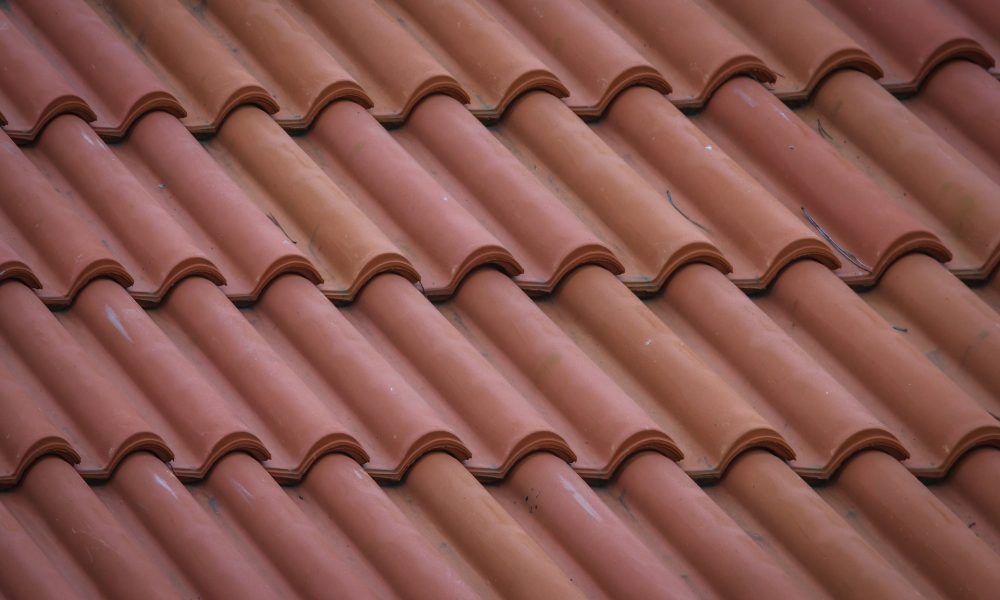
Not all roofs are built the same, and the materials used play a major role in durability, performance, and maintenance needs. Asphalt shingles are the most common residential roofing material due to affordability and ease of installation, typically lasting between 20 and 30 years. Metal roofs offer exceptional durability, often lasting 40 to 70 years, and provide strong resistance to wind, fire, and extreme temperatures. Tile and slate roofs are among the longest-lasting options, sometimes exceeding 75 years, but their weight requires reinforced framing and specialized installation.
Understanding what material is on your home helps you estimate its remaining lifespan and anticipate future costs. Climate, roof pitch, and installation quality all impact longevity. Many homeowners consult Austin roofing experts to evaluate materials and receive recommendations based on local weather conditions, architectural style, and budget. Knowing the strengths and limitations of each roofing type allows for smarter long-term planning and fewer unexpected repairs.
Know the Importance of Ventilation
Roof ventilation is a critical but often overlooked component of roofing performance. Proper ventilation allows heat and moisture to escape from the attic, preventing damage to the roof structure and interior of the home. Poor ventilation can lead to mold growth, warped decking, peeling paint, and prematurely aged shingles. In colder months, inadequate ventilation may contribute to ice dams, which can cause leaks and structural damage.
A balanced ventilation system helps regulate attic temperature year-round, reducing heat buildup during summer and moisture accumulation during winter. Homeowners should ensure intake and exhaust vents are clear, properly placed, and functioning as intended. Good ventilation not only extends the life of your roof but also improves energy efficiency and indoor comfort.
Watch for Common Warning Signs
Certain signs indicate your roof may be developing problems that require immediate attention. Missing, cracked, or curling shingles suggest weather damage or aging materials. Water stains on ceilings or walls often point to roof leaks that can spread quickly if ignored. A musty smell in the attic may indicate trapped moisture or mold growth. Granules collecting in gutters can signal that shingles are breaking down.
Unexpected increases in energy bills may also be linked to roofing issues, such as poor insulation or ventilation. Regularly inspecting your roof from the ground, checking ceilings indoors, and examining the attic for signs of moisture can help catch problems early. Prompt repairs protect your home from widespread damage and reduce the risk of costly renovations.
Why Regular Maintenance Matters
Routine maintenance is one of the most effective ways to extend the life of your roof. Simple tasks like cleaning gutters, removing debris, trimming overhanging branches, and inspecting flashing help prevent water damage and material deterioration. Scheduling professional roof inspections once or twice a year allows small issues to be addressed before they become major problems.
Regular maintenance also helps homeowners maintain insurance coverage, as many policies require proof of proper upkeep. A neglected roof is more vulnerable to storm damage and may result in denied claims. Investing time and effort into maintenance now can prevent emergency repairs and premature replacement later.
When to Consider Repair vs. Replacement
Understanding when a repair is sufficient versus when a full replacement is necessary can save homeowners time and money. Minor issues, such as isolated shingle damage or small leaks, can often be repaired effectively. However, widespread damage, recurring leaks, or a roof nearing the end of its lifespan may make replacement the more cost-effective option.
A professional roofing inspection can help determine the best course of action. Knowing the condition of your roof allows you to plan financially and avoid rushed decisions during emergencies.
Conclusion
Understanding your roof empowers you to care for it more effectively and avoid unnecessary expenses. By learning about roofing materials, ventilation, warning signs, and maintenance needs, homeowners can make informed decisions that protect their property. Routine inspections and proactive care ensure your roof performs reliably for years to come. A well-maintained roof provides safety, energy efficiency, and peace of mind—making it one of the most valuable investments in your home.