
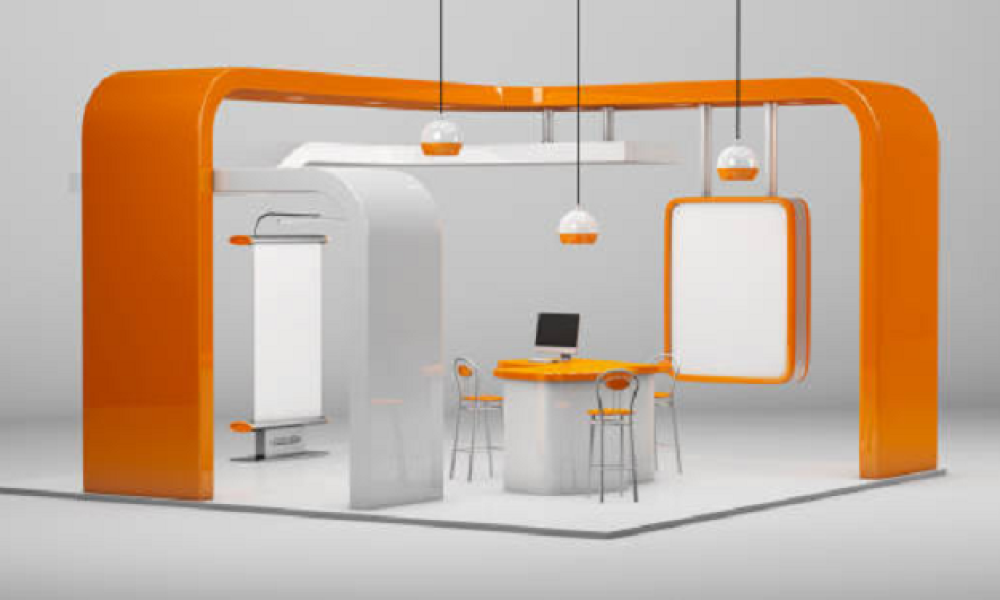
Trade shows are still one of the best ways for companies to put their name out there and meet future customers. The twist is that the size of your booth isn’t the only thing that counts-big or small, the story is the same. With smart planning, a simple 10 x 10 space can pull in more traffic than a huge, flashy setup. So whether youre a rookie on the circuit or a veteran looking to boost ROI, learning how to make the most of limited square footage is essential.
The good news is that many tricks usually saved for a 20 x 30 booth fit nicely in a smaller area and still drive huge results. This guide shows you step-by-step how to build a compact display that turns heads, shares your message fast, and moves the needle for your business.
Know Why You’re Exhibiting Before You Sketch
Start your booth project by spelling out exactly what you want to achieve. Do you want people to remember your name, hand over their contact info, book a product demo, or team up with distributors?
- Thought leadership: Share clear messages, quick stats, or fun videos to show youre the go-to expert in your field.
- Networking: Set up a cozy seating corner or high-top table so your team can have short, friendly chats with visitors.
Since a 20×30 booth provides separate areas for demos, meetings, and giveaways, a 10×10 space must focus on one or two main goals. Design the stand to do those two things well and nothing more.
Optimize Your Layout for Flow and Visitor Engagement
In a small booth, every inch counts. A smart layout keeps traffic moving, reduces bottlenecks, and tempts passersby to step inside instead of just glancing.
Effective 10×10 booth layout principles:
- Keep the entrance clear and inviting-eliminate physical or visual barriers.
- Use L-shaped or corner counters to open up the space and guide movement.
- Mount literature racks or product displays on backwalls instead of placing stands on the floor.
- Incorporate flooring materials like colored carpet tiles or vinyl to define zones within your space.
Many big-name companies that rock a 20×30 booth rely on zones to create an engaging walkthrough. You can steal that trick in your 10×10 by splitting the space into clear areas-a demo corner, a chat nook, even a giveaway zone.
Use Vertical Design for Branding and Visual Punch
When floor space is tight, the walls and air around you become real estate you can’t ignore. A solid back wall, tall towers, and banners above help your brand pop, even when aisles are jam-packed.
Vertical pieces to think about:
- Logos up high, so they greet visitors long before they reach you.
- Giant images that spell out one simple message or promise.
- Shelves that bring product samples to eye level and keep hands busy.
- Built-in screens that run a short reel and tell your story on loop.
A tidy 10×10 display can look just as sharp as a sprawling 20×30 when you lean into height. By pulling eyes upward, you fake extra square footage and project confidence.
Add Lead-Capture and Fun Tools
At the end of the day, most B2B exhibitors come for the contacts. Plan your booth around clickable screens, quick quizzes, or simple sign-up pads, and you’ll extend conversations, gather quality leads, and leave with the data that counts.
Fun Ways to Boost Engagement and Capture Leads
- Set up a touchscreen kiosk or tablet so guests can browse your services anytime they want.
- Run quick demos or hands-on activities that speak directly to the different industries you serve.
- Launch a QR-code scavenger hunt, survey, or contest to get visitors moving and talking.
- Hook up your CRM so every scan or form saves and tags leads right away for easy follow-up.
Even in a 20×30 booth, companies often mix several tech stations. In a smaller 10×10 space, one well-loaded tablet can start chats and gather key info without crowding the floor.
Keep Branding Strong and Steady Everywhere
Your booth shows the world how professional, honest, and creative your business really is. When space is tight, every tone, color, and word has to match, or your message gets lost. Make sure graphics, printouts, sounds, and even the booth layout all tell the same story.
Quick Tips for Brand Consistency:
- Follow your style guide for colors and logo placement, and keep it steady.
- Pick two or three key points and remind visitors of them through every sign and handout.
- Dress the booth team in branded polos and name tags that echo your visual theme.
- Hand out business cards, flyers, or small keepsakes so the conversation keeps going after the show.
A 20×30 trade show booth has room for banners, kiosks, and giveaways layered everywhere. With a 10×10, though, the goal is clean, bold, single-message branding. When everything is stripped back, your booth cuts through the visual din of a packed floor.
Quick tip: Hire a designer who knows small booths inside and out. Their tricks stem from scaling down the methods used in big spaces, so your tidy 10×10 display lands as hard as a roomier setup would.
Bonus: Let Lighting and Flooring Set the Mood
Many exhibitors forget that bulbs and the ground underfoot are part of the show. With a little planning, both can change how visitors feel about your brand.
Lighting ideas:
- LED spotlights make colors pop.
- Backlit panels add useful depth.
- Accent bulbs create warm, inviting pools.
Flooring ideas:
- Choose carpet squares or vinyl in brand colors.
- Build a small riser to showcase products.
- Pick a darker aisle carpet to frame the booth.
These tweaks make your compact booth read like a custom exhibit, even on a tight budget.
Conclusion: Small Space, Big Impact
Your 10 x 10 booth display is more than a carpet patch at the back of the room; it’s a mini stage where first impressions happen and business relationships begin. Plan smart and design with purpose, and this pocket-sized footprint can beat bigger setups for return on investment.
Key takeaways:
- Set clear objectives; let them shape every color, image, and show feature.
- Think up: use shelving, banners, and tablets to draw eyes and encourage touch.
- Keep logos, tones, and team dress tied together for a seamless brand story.
- Treat lighting and flooring as must-have elements, not mere afterthoughts.
- Borrow flow ideas from a 20 x 30 booth; trim them to fit, not to shrink.
In short, the impact of your exhibit comes from strategy, not square footage. Get creative, stick to your goals, and watch casual strollers turn into genuine leads you’ll remember long after the show closes.




