
Desiccants Market Size, Growth Drivers, and Industry Trends (2026–2033)
The global desiccants market is set for steady and sustained expansion over the forecast period. The market is likely to be valued at US$ 1.4 billion in 2026 and is projected to reach approximately US$ 1.9 billion by 2033, registering a compound annual growth rate (CAGR) of 4.5% between 2026 and 2033. Growth is primarily driven by increasing moisture-control requirements across electronics packaging, pharmaceutical stability, food preservation, and industrial air-drying applications. As supply chains become more globalized and product integrity standards tighten, desiccants are emerging as critical components in packaging and manufacturing ecosystems.
Understanding Desiccants and Their Importance
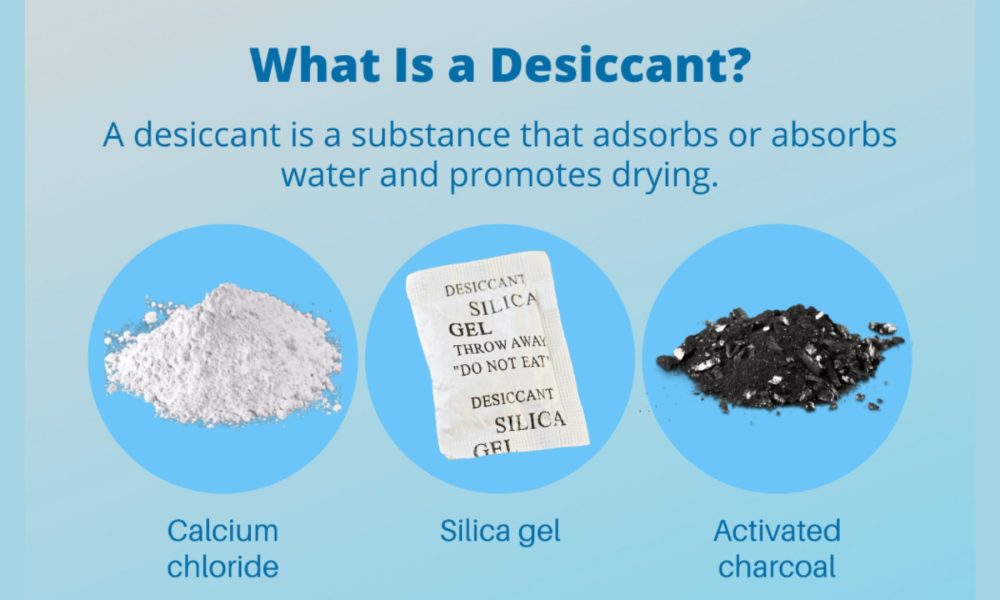
Desiccants are hygroscopic substances that absorb moisture from the surrounding environment, preventing humidity-related damage such as corrosion, mold growth, degradation, and product instability. They are widely used in packaging, storage, shipping, and industrial processing applications.
Common types of desiccants include silica gel, activated alumina, calcium chloride, clay-based desiccants, and molecular sieves (zeolites). Among these, silica gel and zeolite-based solutions are gaining significant traction due to their high adsorption capacity, thermal stability, and adaptability to varied humidity conditions.
Moisture management is crucial in sectors where even minor humidity exposure can compromise product safety, shelf life, or functionality. As industries increasingly prioritize quality assurance and compliance, desiccants are transitioning from optional protective tools to essential packaging components.
Get Your FREE Sample Report Instantly – Click Now: https://www.persistencemarketresearch.com/samples/16834
Key Growth Drivers
- Rising Moisture-Control Requirements in Electronics Packaging
The electronics industry is one of the largest consumers of desiccants. Electronic components, semiconductors, printed circuit boards, and consumer devices are highly sensitive to moisture. Even minimal humidity exposure during storage or transportation can lead to corrosion, short circuits, and performance failures.
With the global surge in consumer electronics, automotive electronics, IoT devices, and renewable energy equipment, the need for reliable moisture-control solutions is expanding. Manufacturers are integrating desiccant packets, canisters, and humidity control systems into packaging to ensure safe global shipping and extended product shelf life.
- Pharmaceutical Stability and Regulatory Compliance
The pharmaceutical industry represents a significant demand segment for desiccants. Tablets, capsules, powders, diagnostic kits, and biologics are vulnerable to moisture-induced degradation. Regulatory authorities mandate strict environmental controls to preserve drug efficacy and safety.
As global pharmaceutical production grows—driven by aging populations and chronic disease prevalence—the requirement for high-performance desiccants increases. Regulatory standards in pharmaceutical and food supply chains are becoming more stringent, reinforcing the use of certified moisture-absorbing materials in primary and secondary packaging.
Desiccant caps integrated into medicine bottles, sachets within blister packs, and advanced humidity-control systems are now common in pharmaceutical packaging formats.
- Industrial Air-Drying Applications
Beyond packaging, desiccants play a vital role in industrial air-drying processes. Compressed air systems used in manufacturing, automotive, food processing, and chemical plants require moisture removal to prevent corrosion, equipment damage, and operational inefficiencies.
Desiccant air dryers are widely used in production lines where humidity control directly impacts product quality and machine performance. As industrial automation and manufacturing capacity expand globally, demand for desiccant-based air treatment systems continues to rise.
Material Trends: Silica Gel and Zeolite Technologies
Silica Gel Dominance
Silica gel remains one of the most widely used desiccant materials due to its affordability, high adsorption capacity, chemical inertness, and non-toxicity. It is commonly used in electronics packaging, footwear, pharmaceuticals, and food products.
The availability of indicating silica gel, which changes color when saturated, enhances monitoring efficiency and user convenience. Its versatility ensures continued dominance across multiple end-use sectors.
Growth of Zeolite-Based (Molecular Sieve) Desiccants
Zeolite or molecular sieve desiccants are gaining momentum due to their precise pore structure and superior moisture adsorption even at low humidity levels. They are especially effective in high-value applications such as pharmaceutical packaging, aerospace, and industrial gas purification.
As product formulations become more sensitive and regulatory standards tighten, the adoption of high-efficiency zeolite technologies is expected to increase, contributing to structural market expansion.
Get a Customized Market View in One Click: https://www.persistencemarketresearch.com/request-customization/16834
Regional Outlook
Asia Pacific: Manufacturing Hub Driving Demand
The Asia Pacific region continues to scale in demand due to its strong manufacturing concentration and export-oriented operations. Countries such as China, India, Japan, South Korea, and Southeast Asian economies host large electronics, pharmaceutical, and automotive manufacturing bases.
Export-driven industries require moisture-safe shipping solutions, further accelerating desiccant consumption. Additionally, rising domestic pharmaceutical production and industrial infrastructure investments strengthen regional growth prospects.
Asia Pacific is expected to remain the fastest-growing region throughout the forecast period.
North America and Europe: Regulatory and Quality Focus
North America and Europe maintain steady demand due to advanced pharmaceutical industries, strict product safety regulations, and established industrial sectors.
Sustainability and regulatory compliance are influencing purchasing decisions in these regions. Manufacturers are increasingly developing eco-friendly desiccant solutions and recyclable packaging formats to meet environmental standards.
Emerging Trends in the Desiccants Market
Sustainable and Eco-Friendly Solutions
Environmental awareness is encouraging innovation in biodegradable and clay-based desiccants as alternatives to synthetic options. Companies are exploring recyclable packaging formats and reduced material footprints to align with sustainability goals.
Smart Moisture Monitoring
Technological integration is creating opportunities for smart humidity indicators and real-time moisture monitoring systems. These innovations enhance supply chain transparency and quality control, particularly for high-value pharmaceutical and electronic goods.
Customized and High-Performance Formats
Demand is rising for application-specific desiccant solutions such as canisters, desiccant caps, strip packs, container desiccants, and industrial bulk units. Customized adsorption capacity and packaging designs tailored to specific humidity ranges are becoming increasingly common.
Challenges Impacting the Market
While growth remains steady, the desiccants market faces certain challenges. Fluctuating raw material costs, especially for silica and specialty chemical inputs, may impact profit margins. Additionally, competition from alternative moisture-control technologies and packaging innovations could influence market dynamics.
However, the fundamental need for moisture protection in critical industries ensures consistent long-term demand.
For In-Depth Competitive Analysis, Buy Now: https://www.persistencemarketresearch.com/checkout/16834
Future Outlook (2026–2033)
With a projected increase from US$ 1.4 billion in 2026 to US$ 1.9 billion by 2033, the desiccants market demonstrates stable and resilient growth. Expanding pharmaceutical production, rising electronics manufacturing, stricter regulatory standards, and growing industrial automation are expected to sustain momentum.
High-efficiency silica gel and zeolite-based technologies will continue to lead innovation, while Asia Pacific’s manufacturing expansion will act as a central growth engine.
As global supply chains prioritize product integrity, safety, and compliance, desiccants will remain an essential yet often understated component of modern packaging and industrial systems. The market’s structural expansion reflects the increasing recognition that effective moisture control is not optional—it is fundamental to product performance and long-term reliability.
About Persistence Market Research:
Persistence Market Research delivers strategic research solutions that drive business growth. Founded in 2012 and registered in England and Wales in 2023 as Persistence Research & Consultancy Services Ltd., we have completed 3,600+ custom and syndicated studies and supported 2,700+ projects for leading research firms. Combining traditional methodologies with modern tools, we provide actionable insights to multinational corporations, consultants, investors, and government bodies, earning strong trust through long-term client relationships.
Contact Us:
Persistence Market Research
Second Floor, 150 Fleet Street,
London, EC4A 2DQ, United Kingdom
USA Phone: +1 646-878-6329
UK Phone: +44 203-837-5656
Email: [email protected]
Web: https://www.persistencemarketresearch.com




