
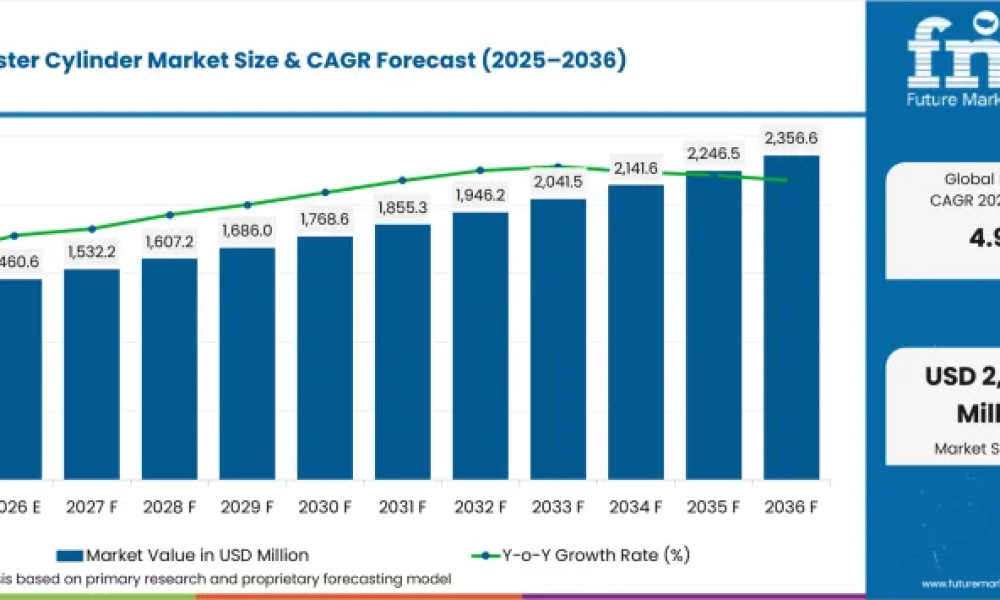
The global clutch master cylinder market is supported by recurring replacement spending as hydraulic failures create repair events rather than discretionary vehicle upgrades. A clutch master cylinder converts pedal input into hydraulic pressure that operates the clutch system, making correct bore dimensions, port geometry, sealing, and compatibility important to vehicle repair.
The registered vehicle population provides a broad long-term service base for distributors and workshops. The Federal Highway Administration counted 297,525,836 registered motor vehicles in the United States during 2024, according to its January 2026 Highway Statistics table. Hydraulic clutch systems represent only a portion of this fleet, but the overall installed base illustrates the scale of the vehicle population that continues to generate aftermarket repair requirements.
Replacement intensity varies considerably by country. Fleet age, vehicle density, drivetrain renewal, and the pace of automatic transmission adoption influence the remaining addressable base for driver-operated hydraulic clutch systems.
ACI reported in January 2026 that Italy had 701 cars per 1,000 residents, compared with 591 cars per 1,000 residents in Germany. Higher vehicle density combined with an aging fleet can extend the repair opportunity for manual-transmission components, even as automatic and electrified powertrains reduce the number of new vehicles using conventional clutch hydraulics.
What Are the Key Segments in the Clutch Master Cylinder Market?
- Conventional Master Cylinders — 34.0%: Conventional master cylinders are estimated to hold 34.0% of the market in 2026, supported by broad direct-fit coverage across aging hydraulic-clutch applications.
- Passenger Cars — 37.0%: Passenger cars are expected to lead the vehicle type category with 37.0% share in 2026 as the large serviceable vehicle parc generates recurring replacement requirements.
- Aluminum — 42.0%: Aluminum is forecast to represent 42.0% of demand in 2026 because its low weight and corrosion resistance support OE-style replacement and performance applications.
- Aftermarket Replacement: Replacement demand remains central to the market as hydraulic leakage, seal wear, and component failure create repair requirements across vehicles already in service.
- Manual-Transmission Applications: Manual transmissions remain the core addressable application, while automatic and battery-electric powertrains gradually reduce new driver-operated clutch fitment.
Get detailed market forecasts, competitive benchmarking, and pricing trends:
https://www.futuremarketinsights.com/reports/sample/rep-gb-34811
Which Countries Are Showing the Strongest Growth in the Clutch Master Cylinder Market?
South Korea is projected to record the fastest growth among the profiled countries, with a 6.2% CAGR through 2036. Demand is supported by an established automotive manufacturing and service ecosystem, with aftermarket replacement requirements continuing across eligible manual-transmission applications.
Mexico is expected to expand at a 5.9% CAGR. The market benefits from its vehicle manufacturing base and a substantial serviceable vehicle population. Suppliers that provide accurate fitment data and distributor availability can improve their ability to capture replacement demand.
Brazil is projected to register a 5.5% CAGR. The country’s large vehicle population and established aftermarket service network create opportunities for hydraulic clutch replacement components. Workshop access and application coverage remain important to purchasing decisions.
Italy is expected to grow at a 5.1% CAGR. Its high vehicle density and aging fleet support a longer repair tail for eligible manual-transmission vehicles. However, the increasing penetration of automatic transmissions gradually limits new application opportunities.
Germany is projected to record a 4.8% CAGR. The market benefits from a mature automotive service infrastructure and continuing replacement requirements, although drivetrain renewal and automatic transmission adoption affect the long-term addressable population.
How Is Regional Demand Shaping the Clutch Master Cylinder Market?
Regional demand is increasingly determined by the installed base of manual-transmission vehicles rather than new vehicle production alone. Markets with older fleets can continue generating hydraulic replacement demand even as new vehicle programs shift toward automatic, hybrid, and battery-electric powertrains.
The aftermarket therefore requires a more detailed understanding of vehicle age and transmission type. Distributors need to distinguish markets with a large aging manual fleet from markets where new vehicle production is rapidly moving away from conventional hydraulic clutch systems.
What Is Changing the Competitive Landscape?
Competition in the clutch master cylinder market is focused on fitment coverage, hydraulic performance, material selection, seal durability, and distribution availability. Valeo, AISIN Corporation, ZF Friedrichshafen AG, Brembo N.V., Schaeffler AG, Wilwood Engineering, Kongsberg Automotive ASA, and Knorr-Bremse AG are among the companies participating in the market.
Product selection increasingly depends on compatibility rather than unit price alone. Bore size, port configuration, reservoir design, mounting geometry, and seal performance can determine whether a replacement component functions correctly within the existing clutch circuit.
Aftermarket distributors also play a key role because clutch master cylinder failures can create immediate repair requirements. Local availability can shorten vehicle downtime, particularly for commercial and high-use vehicles.
Specialty and performance applications provide another demand channel. These applications can require specific hydraulic characteristics or upgraded components, allowing manufacturers to serve customers beyond conventional OE-style replacement demand.
What Does the Analyst Say About the Clutch Master Cylinder Market?
“Clutch master cylinder offers should be judged on bore and port fitment plus seal durability before unit price enters the comparison. Local bleed-support coverage reduces repeat labor and returns while dependable fitment coverage protects sales across aging manual fleets beyond original vehicle production.”
— Nikhil Kaitwade, Principal Consultant, Future Market Insights
What Is Driving Demand for Clutch Master Cylinders?
Aging Manual-Transmission Fleets
As manual-transmission vehicles remain in service, hydraulic clutch components accumulate operating cycles. Seal deterioration, leakage, and hydraulic performance problems can eventually require master cylinder replacement.
Recurring Repair Events
Unlike new vehicle components, aftermarket master cylinders are purchased when an existing system develops a service problem. This makes demand closely connected to vehicle age, mileage, maintenance practices, and hydraulic system durability.
Passenger Vehicle Applications
Passenger cars are projected to hold 37.0% of the market in 2026. Their large serviceable parc provides a continuing replacement base even as new vehicle architectures increasingly adopt automatic or electrified drivetrains.
Aluminum Component Adoption
Aluminum is projected to represent 42.0% of the market in 2026. Its low weight and corrosion resistance make it suitable for both replacement and performance-oriented hydraulic clutch applications.
What Are the Key Market Restraints?
The growing adoption of automatic transmissions and battery-electric vehicles is reducing the number of new vehicles equipped with conventional driver-operated clutch systems. Over time, this limits the potential for original-equipment expansion and shifts the market increasingly toward replacement and specialty applications.
Fitment complexity is another challenge. A replacement master cylinder must match the hydraulic system’s bore and port geometry. Incorrect component selection can lead to installation failures, repeat labor, returns, and vehicle downtime.
Drive Your Business Growth Strategy: Checkout the Report for Key Insights!
https://www.futuremarketinsights.com/checkout/34811
What Opportunities Exist for Clutch Master Cylinder Manufacturers?
The aging manual-transmission vehicle population creates opportunities for suppliers with broad application coverage. Manufacturers can strengthen aftermarket performance through accurate catalogs, vehicle-specific fitment information, local inventory, and workshop support.
Specialty and performance vehicles provide another opportunity. These applications may require specific hydraulic performance and can support higher-value products where standard replacement components are insufficient.
Suppliers can also differentiate through installation support. Guidance for bleeding, fitment, and hydraulic-system servicing can help workshops complete repairs correctly on the first visit.
How Is the Clutch Master Cylinder Market Segmented?
The clutch master cylinder market is segmented by cylinder type, vehicle type, material, sales channel, transmission, and region.
By Cylinder Type: Conventional, Plastic Reservoir, Concentric, Heavy-Duty, and Integrated Sensor Master Cylinders.
By Vehicle Type: Passenger Cars, Light Commercial Vehicles, Heavy Trucks, Motorcycles, and Performance Vehicles.
By Material: Aluminum, Cast Iron, Plastic or Polymer, and Composite Reservoir Assemblies.
By Sales Channel: Aftermarket Replacement, OEM Supply, Distributor Networks, and Workshop Service.
By Transmission: Manual, Automated Manual, Performance Clutch Systems, and Hydraulic Conversion Kits.
By Region: North America, Latin America, Europe, Asia Pacific, and the Middle East & Africa.
What Are the Drivers, Restraints and Opportunities in the Clutch Master Cylinder Market?
The clutch master cylinder market is being shaped by aging manual-transmission vehicles, recurring hydraulic failures, replacement-led spending, and the gradual transition toward automatic and electrified drivetrains.
- Drivers: Aging vehicle fleets, recurring hydraulic repairs, passenger-car applications, manual-transmission service demand, and commercial vehicle utilization.
- Restraints: Automatic transmission adoption, battery-electric vehicle growth, declining new manual applications, and fitment complexity.
- Opportunities: Broad aftermarket coverage, aluminum designs, specialty applications, local inventory, and workshop installation support.
What Is the Clutch Master Cylinder Market Demand Outlook?
The market outlook remains supported by the large installed base of manual-transmission vehicles. While automatic and battery-electric powertrains reduce new application opportunities, existing vehicles continue to generate replacement requirements throughout their ownership cycles.
This shift makes aftermarket execution increasingly important. Suppliers that accurately identify aging applications and maintain appropriate local inventory can continue capturing repair demand even as original-equipment volumes gradually decline.
Why Is Fitment Accuracy Important?
Clutch master cylinders are hydraulic components that must operate within precisely defined system parameters. Bore dimensions and port geometry directly influence hydraulic behavior, making vehicle-specific fitment important to successful replacement.
Distributors and workshops therefore benefit from detailed application data. Accurate catalogs can reduce incorrect orders, returns, and repeat labor while helping technicians select the correct component before beginning installation.
How Is Electrification Changing Market Demand?
Battery-electric vehicles eliminate the conventional engine-driven clutch system, while automatic transmissions also reduce demand for driver-operated hydraulic clutch applications. This means future market exposure will increasingly depend on the installed base rather than solely on new vehicle production.
Suppliers can respond by focusing on replacement coverage, extending product availability for aging applications, and developing specialty products for performance and conversion markets.
How Fast Are Key Countries Growing in the Clutch Master Cylinder Market?
South Korea is projected to lead the profiled countries with a 6.2% CAGR, followed by Mexico at 5.9%, Brazil at 5.5%, Italy at 5.1%, and Germany at 4.8% through 2036. Differences reflect variations in vehicle density, fleet age, manual-transmission penetration, drivetrain renewal, and aftermarket service requirements.
About Future Market Insights
Future Market Insights (FMI) is a global market intelligence and consulting firm providing syndicated research, consulting, and competitive intelligence across automotive, transportation, industrial, technology, chemicals, and other sectors. FMI research helps manufacturers, suppliers, distributors, investors, and industry stakeholders evaluate market opportunities, competitive dynamics, technology adoption, and evolving aftermarket demand.



