
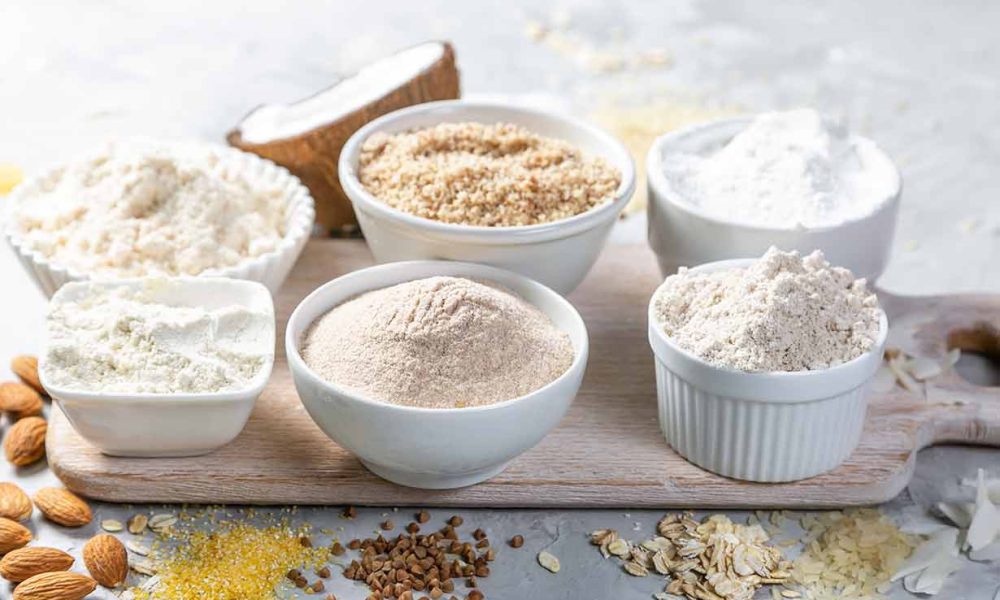
The global cereal flour market is set to enter an exciting decade of growth, expanding from USD 142.1 billion in 2025 to USD 245.1 billion by 2035, registering a healthy CAGR of 5.6%. This progression underscores the resilience of cereal flour as a staple ingredient that remains central to both traditional diets and modern food innovation.
Get the Comprehensive Report – Available on Request: https://www.futuremarketinsights.com/reports/sample/rep-gb-25114
Rising Role of Cereal Flour in Global Diets
Analysts highlight that cereal flour has become much more than a commodity. From bakery products and noodles to snacks and packaged convenience foods, its versatility ensures a dependable growth curve. By 2030, the market is forecast to reach USD 186.7 billion, further climbing to USD 245.1 billion by 2035. This long-term trajectory reflects the strength of consumer reliance on cereal flour across multiple applications.
Dietary shifts toward convenience foods, fortified blends, and whole grain flours are driving this expansion. Industry specialists note that the ingredient’s role in shaping taste, texture, and nutritional value makes it indispensable in food processing. Its influence is evident in its high aggregated share across parent sectors, including bakery ingredients, grain processing, packaged food, and functional food ingredients.
Established Leaders and Emerging Innovators
Competition in the cereal flour market is marked by both global giants and dynamic new entrants. Companies such as Archer Daniels Midland, Bunge Limited, Cargill, Wilmar International, and COFCO Corporation lead with vertically integrated operations and strong supply chains. Their ability to control origination, milling, and application development has given them a distinct edge.
At the same time, manufacturers like Ardent Mills, Wudeli Flour Mill Group, Interflour Group, Bay State Milling, and Nisshin Seifun Group have emphasized innovation in flour texture, granulation, and absorption properties. Specialty players such as Bob’s Red Mill Natural Foods, King Arthur Baking Company, and The Hain Celestial Group have carved a niche by catering to clean-label, organic, and health-focused consumers.
Newer firms and regional producers are also stepping in with fortified flours, multigrain blends, and gluten-free alternatives, creating opportunities to serve evolving dietary demands. These entrants are not only expanding product variety but also strengthening localized supply to reduce reliance on imports.
Opportunities in Fortified and Specialty Blends
Health-focused innovations are reshaping the cereal flour landscape. Manufacturers are enriching products with vitamins, proteins, and minerals to address global nutrition challenges. Gluten-free flours derived from rice, maize, sorghum, and millet are opening up lucrative opportunities, especially in developed economies where health and dietary sensitivities play a bigger role in consumer choice.
Emerging markets, meanwhile, are driving demand for branded and value-added flour products. Countries like India and China, growing at CAGRs of 7.0% and 7.6% respectively, are expanding rapidly thanks to changing consumption habits, rising populations, and supportive government initiatives.
Trends Reshaping Consumer Choices
The clean-label movement is among the most influential trends shaping this market. Consumers are increasingly seeking whole grain flours, ancient grains such as quinoa and amaranth, and minimally processed options. This shift is particularly visible in European countries like France, where artisanal baking traditions are merging with rising demand for organic and premium flours.
In North America, gluten-free and high-fiber flours are gaining traction, while in Asia-Pacific, the sheer scale of staple consumption ensures consistent volume growth. Online retail platforms have further accelerated consumer access to niche and specialty flour products globally.
Challenges on the Horizon
Despite its strong growth outlook, the cereal flour industry faces challenges such as volatile grain prices, storage inefficiencies, and regulatory pressures. Climate fluctuations can disrupt wheat, maize, and rice supply chains, raising costs for manufacturers. Smaller millers often struggle with compliance to food safety and labeling regulations, while international trade is impacted by inconsistent quality standards across markets.
Country-Wise Insights
- China leads the global market growth, driven by large-scale milling infrastructure, government incentives, and high household consumption.
- India is emerging as a strong contender, with agro-processing clusters and growing popularity of multigrain and fortified flours.
- France is witnessing premiumization, where organic and stone-ground flours align with artisanal baking traditions.
- The United States records steady growth, supported by demand for clean-label, gluten-free, and functional flour formulations.
Get the Report Brochure Now: https://www.futuremarketinsights.com/reports/brochure/rep-gb-25114
Looking Ahead
The future of the cereal flour market lies at the intersection of tradition and innovation. While wheat flour continues to dominate with more than 40% share, whole grain and specialty flours are gaining strong momentum. As manufacturers invest in new technologies, sustainable sourcing, and fortified blends, cereal flour is expected to remain the backbone of global food processing.
For established leaders, the coming decade presents an opportunity to reinforce their global supply chains and diversify product portfolios. For new entrants, it is a chance to innovate with health-focused blends and carve out niche markets. Together, these forces are shaping a sector that is both resilient and forward-looking, ensuring that cereal flour maintains its role as a foundational ingredient in global food systems.
About Future Market Insights (FMI)
Future Market Insights, Inc. (ESOMAR certified, recipient of the Stevie Award, and a member of the Greater New York Chamber of Commerce) offers profound insights into the driving factors that are boosting demand in the market. FMI stands as the leading global provider of market intelligence, advisory services, consulting, and events for the Packaging, Food and Beverage, Consumer Technology, Healthcare, Industrial, and Chemicals markets. With a vast team of over 400 analysts worldwide, FMI provides global, regional, and local expertise on diverse domains and industry trends across more than 110 countries.



