
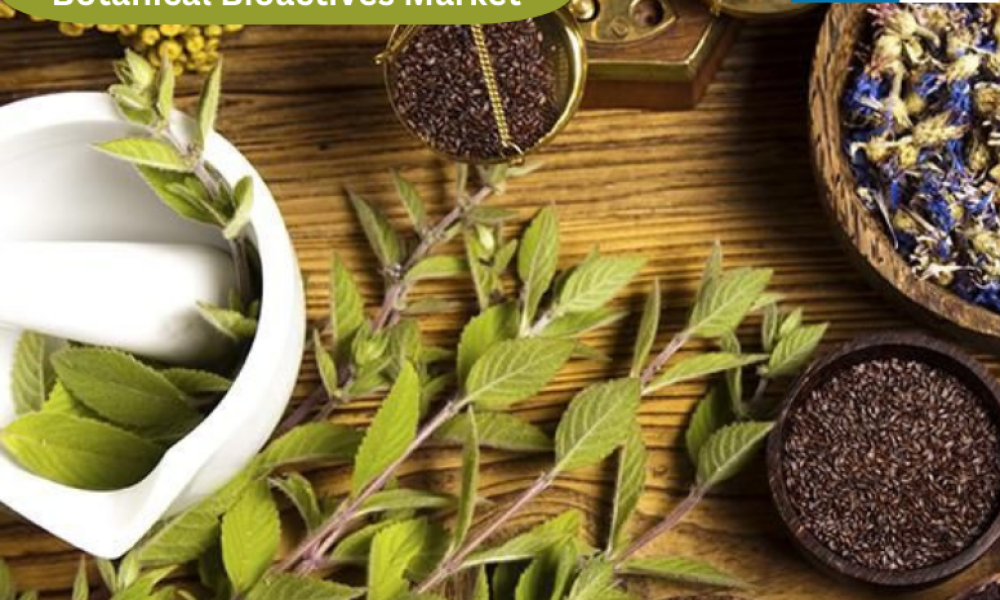
The global botanical bioactives market is poised for significant expansion over the next decade. It is expected to grow from USD 3,394.0 million in 2025 to USD 6,078.1 million by 2035, reflecting a compound annual growth rate (CAGR) of 6.0% during the forecast period. This strong trajectory highlights how shifting consumer preferences toward natural and sustainable products, combined with advances in extraction technologies and growing regulatory validation, are fueling demand.
A variety of factors underpin this growth. Health-conscious consumers are actively seeking natural alternatives to synthetic ingredients, and botanical compounds provide an appealing solution. Advances in research have also deepened understanding of bioactive mechanisms, enabling more precise applications in pharmaceuticals and functional products. Additionally, the clean-label movement in food and personal care industries continues to accelerate adoption.
Segmentation Overview
The botanical bioactives market is analyzed across several categories, including type, source, application, form, and region. Each of these categories offers insights into market dynamics and future opportunities.
By Type
Among the different classes of botanical bioactives, polyphenols and flavonoids are expected to demonstrate robust growth because of their strong antioxidant and anti-inflammatory properties. Alkaloids continue to hold value in pharmaceuticals, though regulatory requirements are more stringent. Saponins are gaining traction in dietary supplements and functional foods, while terpenoids and essential oils remain key in cosmetics, fragrances, and therapeutic products. Tannins and glycosides also play specialized roles, particularly in food preservation and targeted health applications.
By Source
Botanical bioactives are extracted from diverse plant parts such as herbs, flowers, leaves, roots, and fruits. Each source offers unique compound profiles and benefits. For example, leaves and fruits are widely used in food and beverage products, while roots and herbs often contribute to nutraceutical and pharmaceutical formulations. Sustainable sourcing has become a critical consideration for manufacturers as consumers increasingly demand transparency and eco-friendly supply chains.
By Application
Applications span across food and beverages, pharmaceuticals, dietary supplements, and personal care and cosmetics. Dietary supplements are a particularly strong growth driver, with consumers turning to plant-based products for preventative health and wellness. Functional foods and beverages fortified with botanical bioactives are gaining popularity, especially in markets where “better-for-you” products are in high demand. Cosmetics and personal care are also adopting botanical compounds for their antioxidant, anti-aging, and soothing properties. Pharmaceuticals, though more heavily regulated, provide opportunities where compounds demonstrate proven therapeutic effects.
By Form
The form in which botanical bioactives are delivered is equally important. Powders currently dominate the market and are projected to hold the largest share in 2025 due to their stability, ease of incorporation, and versatility in different applications. Liquids, tablets, and capsules are also widely used, particularly in supplements and pharmaceuticals. Emerging technologies such as encapsulation and nanoemulsions are helping to improve bioavailability, offering new growth avenues.
Full Market Report available for delivery. For purchase or customization, please request here – https://www.factmr.com/connectus/sample?flag=S&rep_id=11065
By Region
Geographically, the market spans North America, Latin America, Europe, Asia-Pacific, and the Middle East & Africa. North America is set to maintain a leading position due to its established nutraceutical and personal care markets, coupled with strong consumer demand for natural health products. Europe follows closely, driven by the popularity of clean-label products and stringent quality standards. Asia-Pacific is emerging as a major growth engine, particularly in China, India, and Japan, where traditional medicine, rising disposable incomes, and growing awareness of preventive healthcare are driving adoption. Latin America and the Middle East & Africa are also expanding markets, supported by rising health awareness and gradual entry of global players.
Recent Developments and Competitive Dynamics
Recent innovations highlight the dynamic nature of this industry. In July 2025, Krokos Bio made headlines by advancing saffron production through plant cell culture technology, addressing challenges of limited supply and cost volatility. This innovation underscores the growing focus on supply chain security and sustainability. In May 2025, Akay Bioactives unveiled bioavailability-enhanced botanical ingredients at Vitafoods Europe, showcasing the industry’s push toward more effective formulations and improved consumer outcomes.
The competitive landscape of the botanical bioactives market is characterized by innovation, strategic partnerships, and diversification. Companies are focusing on broadening product portfolios, securing sustainable raw material sources, and investing heavily in research and development. Large players such as International Flavors & Fragrances (IFF), Archer Daniels Midland (ADM), Givaudan, and Martin Bauer Group leverage their global scale and cross-industry reach, while specialized companies like Indena, Sabinsa, and Gaia Herbs differentiate through niche expertise and advanced formulations.
To strengthen market positioning, companies are pursuing collaborations, acquisitions, and licensing agreements. For example, larger ingredient manufacturers often partner with smaller, research-driven firms to access novel compounds or advanced delivery technologies. Sustainability initiatives are also becoming a competitive differentiator, as companies that ensure transparent, eco-friendly sourcing gain favor with both regulators and consumers.
Browse Full Report: https://www.factmr.com/report/botanical-bioactives-market
Strategic Outlook and Challenges
While the market outlook is positive, challenges remain. Variability in raw material quality due to climate, geography, and harvest timing creates supply chain complexity. High costs associated with research, clinical validation, and regulatory compliance present barriers to smaller entrants. Regulatory frameworks themselves differ across regions, adding another layer of complexity. Moreover, as competition intensifies, companies must differentiate beyond the “natural” label by demonstrating efficacy, safety, and superior formulation technologies.
The future of the botanical bioactives market lies in innovation and collaboration. Companies that can deliver consistent, high-quality, and bioavailable products while ensuring sustainability will stand out in this evolving landscape. By combining scientific validation with consumer-driven innovation, the industry is poised to continue its strong growth trajectory and play a pivotal role in the future of health, nutrition, and personal care.
Check out More Related Studies Published by Fact.MR Research:
Precast Gels Market: https://www.factmr.com/report/5294/precast-gel-market
Deoxidant Market: https://www.factmr.com/report/5295/deoxidant-market
About Us:
Fact.MR is a distinguished market research company renowned for its comprehensive market reports and invaluable business insights. As a prominent player in business intelligence, we deliver deep analysis, uncovering market trends, growth paths, and competitive landscapes. Renowned for its commitment to accuracy and reliability, we empower businesses with crucial data and strategic recommendations, facilitating informed decision-making and enhancing market positioning.



