
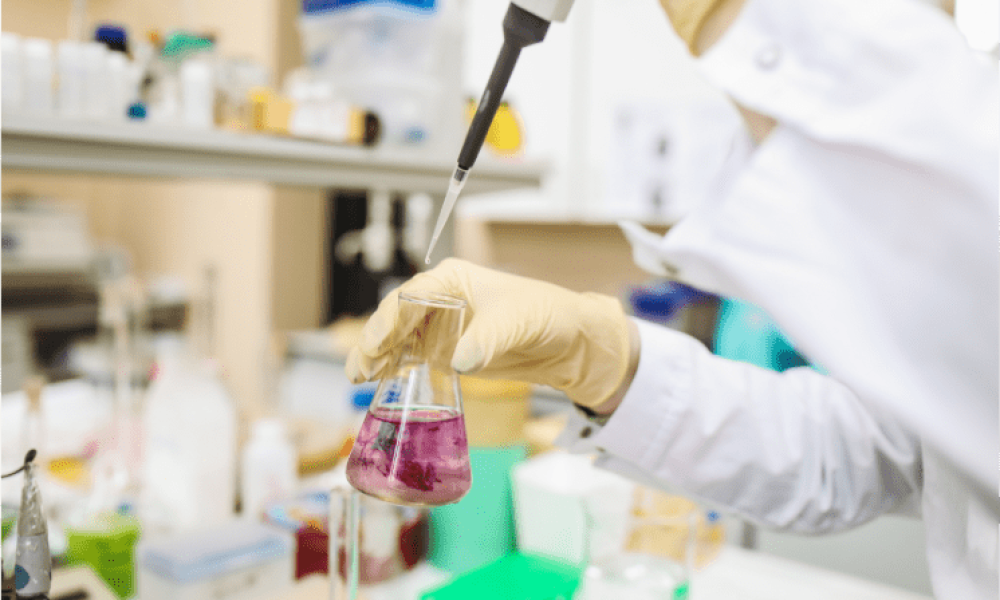
The biological safety testing market is experiencing rapid growth, driven by the increasing demand for biopharmaceuticals, the rising complexity of biologic production processes, and stringent regulatory requirements. As biologics, including monoclonal antibodies, vaccines, and gene therapies, become more prominent in the pharmaceutical industry, the need for rigorous safety testing has never been higher. The market, which is forecast to reach USD 10.26 billion by 2032, is expected to grow at a compound annual growth rate (CAGR) of 11.3% from 2025 to 2032. This surge in market growth is a result of continuous advancements in biotechnology and the implementation of stricter safety standards by global regulatory bodies, such as the FDA and EMA.
In 2025, the global biological safety testing market size is expected to be valued at approximately USD 4.85 billion. The demand for biopharmaceuticals and the complexity of testing required for biologics and vaccines are major factors contributing to this growth. As safety testing ensures the sterility, endotoxin levels, and absence of adventitious agents in drug products, it has become an indispensable part of the biologics manufacturing process. Additionally, the growth of new biopharma sectors like cell and gene therapy is further propelling market demand. North America remains the leading region, holding a significant market share, while the Asia Pacific region is expected to grow at the fastest rate, driven by increased investments in biopharmaceutical manufacturing and expanding regulatory standards.
Download Your Free Sample & Explore Key Insights: https://www.persistencemarketresearch.com/samples/4767
Key Highlights from the Report
• The global biological safety testing market is expected to grow from USD 4.85 billion in 2025 to USD 10.26 billion by 2032.
• North America is predicted to dominate the market, with a 42.5% market share in 2025.
• The Asia Pacific region is the fastest-growing market for biological safety testing.
• Services account for 58.7% of the market share, driven by demand for sterility and endotoxin testing.
• Biopharma and biotech companies contribute over 45.3% of the market revenue.
• Endotoxin testing holds the largest market share, approximately 24.6%, in 2025.
Market Segmentation
The biological safety testing market is diverse and can be categorized based on product type, end-user, test type, and region.
By Product and Service
Services are the dominant segment within the market, contributing nearly 58.7% of the total market share in 2025. This is due to the critical need for sterility testing and endotoxin testing in the production of biologics. The growing focus on ensuring compliance with regulatory standards like GMP (Good Manufacturing Practices) and USP (United States Pharmacopeia) guidelines has propelled the demand for these services, especially among biopharma companies in North America and Europe.
The product segment, including reagents, kits, and consumables, is experiencing rapid growth. The demand for these products is driven by an increase in rapid testing technologies and single-use systems. As biopharma companies increasingly focus on in-house testing, the demand for consumables such as kits and reagents has surged, particularly in regions such as Asia Pacific and North America.
By Test Type
Endotoxin testing remains the largest market segment, holding around 24.6% of the market share in 2025. Endotoxin tests are critical for ensuring the safety of injectable drugs and medical devices, particularly as regulatory bodies like the FDA and EMA require adherence to strict standards. Major companies like BIOMÉRIEUX and Lonza lead this segment, offering cutting-edge endotoxin testing solutions.
Adventitious agent detection tests are the fastest-growing segment, primarily due to the increasing development of cell and gene therapies. These tests help ensure that biologics remain free from viral contaminants, which is crucial for patient safety. The growing demand for these tests is reflected in the increased investment in research and development by companies such as Eurofins Scientific and Sartorius AG, who offer high-sensitivity detection systems to meet evolving regulatory standards.
By End-Use
Biopharma and biotech companies account for the largest share of market revenue, contributing over 45.3% in 2025. These companies heavily rely on biological safety testing to ensure compliance with stringent regulations for biologics, vaccines, and biosimilars. Companies such as Samsung Biologics and Lonza provide tailored testing solutions for these companies, particularly in North America and the Asia Pacific.
Contract Development and Manufacturing Organizations (CDMOs) are the fastest-growing segment in the biological safety testing market. As the outsourcing of biopharma manufacturing and testing services becomes more common, particularly in the Asia Pacific region, CDMOs are increasingly demanding specialized safety testing services to meet global compliance standards.
Get Custom Insights Designed for Your Business: https://www.persistencemarketresearch.com/request-customization/4767
Regional Insights
North America
North America is expected to dominate the biological safety testing market, holding a substantial 42.5% share in 2025. The region is home to a robust biopharmaceutical industry, with the U.S. being a major producer of biologics, vaccines, and biosimilars. The strict regulatory frameworks set by the FDA and the CDC ensure that safety testing is a crucial part of the biologic manufacturing process. The high level of healthcare infrastructure in the U.S. and Canada further strengthens the demand for safety testing services, including sterility, endotoxin, and adventitious agent testing.
Asia Pacific
The Asia Pacific region is the fastest-growing market for biological safety testing. The demand for safety testing in this region is driven by increased investments in biopharmaceutical manufacturing and government-backed initiatives in countries such as China and India. China’s 14th Five-Year Plan for National Drug Safety aims to bolster the country’s drug testing and inspection infrastructure, increasing the need for biological safety testing services. Meanwhile, India’s rapidly expanding biotechnology sector benefits from government programs, such as the National Biotechnology Development Strategy, further fueling demand for testing services.
Europe
Europe is another important region, with growing demand for biological safety testing driven by a stringent regulatory environment and the increasing prevalence of cell and gene therapies. Countries such as Germany and France are investing heavily in biotechnology research and development, with governments backing initiatives like Horizon Europe to support the growing need for high-quality safety testing. The region’s commitment to innovation in biopharmaceutical and regenerative medicine ensures continued growth in the biological safety testing market.
Market Drivers
The biological safety testing market is primarily driven by several key factors. One of the main drivers is the growing demand for biopharmaceuticals. As the global need for biologics such as monoclonal antibodies, vaccines, and gene therapies rises, so does the demand for rigorous biological safety testing. Biologics require a wide range of tests to ensure sterility, endotoxin levels, and the absence of adventitious agents, among other factors. The tightening of regulatory standards by agencies such as the FDA, EMA, and NMPA further emphasizes the need for stringent safety testing procedures to ensure compliance with Good Manufacturing Practices (GMP).
The rise in biosimilars and monoclonal antibodies is another key driver, as the FDA has approved several biosimilars in recent years. This, combined with the increasing focus on gene and cell therapies, is amplifying the demand for safety testing services. Companies like Charles River Laboratories and Eurofins Scientific are expanding their testing services to meet these growing demands.
Market Restraints
While the market is experiencing robust growth, there are several restraints that could limit its expansion. One of the main challenges is the high cost and complexity of biological safety testing procedures. Tests such as cell line authentication and adventitious agent detection require specialized infrastructure, highly trained personnel, and longer turnaround times. Furthermore, the capital investment required to implement these procedures can be prohibitive for smaller biopharma companies, particularly those in emerging markets with limited resources.
Additionally, although rapid testing technologies such as PCR-based endotoxin detection promise greater efficiency, they require substantial investment in both equipment and validation. This can create barriers for smaller firms, particularly in regions with cost-sensitive markets, such as parts of South Asia and Latin America.
Market Opportunities
Despite these challenges, the growth in cell and gene therapy development presents significant opportunities for the biological safety testing market. These therapies require a high level of testing to ensure product purity and patient safety, driving demand for specialized tests such as adventitious agent detection and cell line characterization. The increasing number of clinical trials and regulatory approvals for cell and gene therapies further boosts the need for comprehensive safety testing services.
The development of personalized medicine and the growing focus on regenerative medicine create a favorable environment for the market. As more innovative therapies come to market, manufacturers will need to develop tailored testing solutions to support the safe and effective delivery of these therapies.
Checkout Now & Download Complete Market Report: https://www.persistencemarketresearch.com/checkout/4767
Company Insights
Several key players dominate the biological safety testing market, including:
• Charles River Laboratories
• BSL Bioservice
• Merck KGaA (MilliporeSigma)
• Samsung Biologics
• Sartorius AG
• Eurofins Scientific
• SGS Société Générale de Surveillance SA
• Thermo Fisher Scientific Inc.
• BIOMÉRIEUX
• Lonza
Recent Developments
Thermo Fisher Scientific launched the Thermo Scientific 1500 Series Class II, Type A2 Biological Safety Cabinet in March 2025, which offers enhanced protection and advanced features for biological safety.
Samsung Biologics announced plans for its fifth biomanufacturing plant in South Korea in October 2024, increasing its manufacturing capacity to 784,000 liters.
Conclusion
The biological safety testing market is poised for substantial growth in the coming years, driven by the increasing demand for biologics, biosimilars, and advanced therapies such as cell and gene therapies. While North America remains the largest market, regions such as Asia Pacific are emerging as key growth drivers. Despite challenges related to high costs and testing complexity, the market offers significant opportunities, particularly in the development of innovative therapies. As regulatory pressures tighten and the demand for high-quality biologics continues to rise, biological safety testing will play a crucial role in ensuring the safety and efficacy of pharmaceutical products.




