
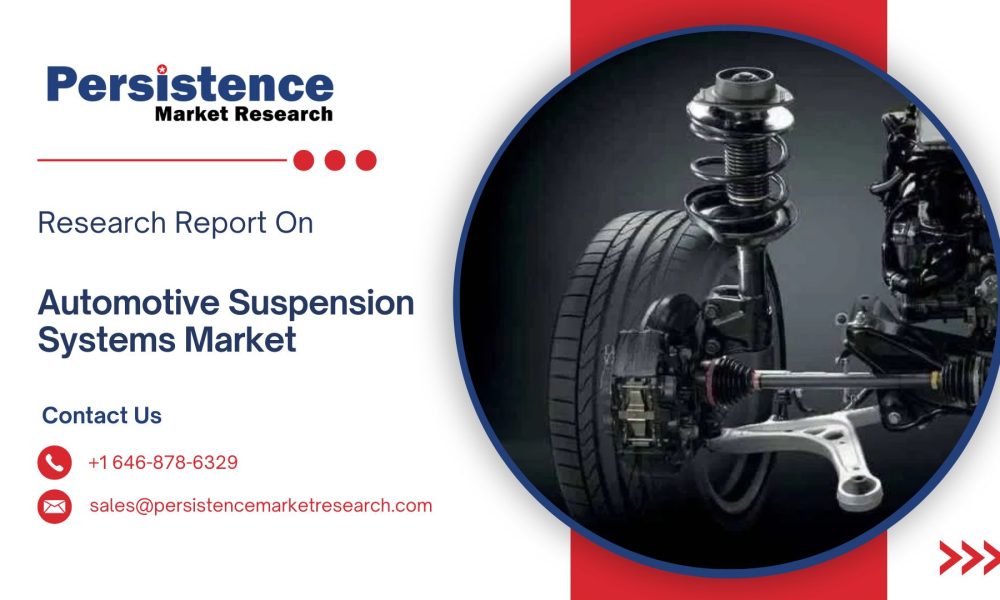
The global automotive suspension systems market is projected to witness steady growth over the forecast period, driven by increasing consumer demand for vehicle comfort, safety, and handling performance. The market is estimated to be valued at US$ 51.2 billion in 2025 and is expected to reach US$ 65.6 billion by 2032, registering a CAGR of 3.6%. Automotive suspension systems, a crucial component of vehicle dynamics, enhance ride comfort, stability, and overall safety. The adoption of advanced technologies, including active and semi-active suspension systems, is increasing due to stringent safety regulations like Euro NCAP and NHTSA standards. Consumers’ preference for luxury vehicles with superior ride quality further accelerates market growth.
The market is dominated by technologically advanced suspension systems, with passive suspension systems currently holding the largest share, due to their widespread adoption in mid-range and economy vehicles. However, active and semi-active systems are expected to witness faster growth, driven by innovations in chassis systems and air suspension technologies. Geographically, North America leads the market, largely due to high automotive production, strict safety standards, and growing demand for luxury and performance vehicles. The region’s strong research and development capabilities support the introduction of cutting-edge suspension solutions, bolstering the market’s expansion.
Get a Sample Copy of Research Report (Use Corporate Mail id for Quick Response): https://www.persistencemarketresearch.com/samples/4083
Key Highlights from the Report
➤ Global automotive suspension systems market expected to reach US$ 65.6 billion by 2032.
➤ CAGR of 3.6% projected during 2025-2032.
➤ Increasing demand for luxury vehicles drives advanced suspension adoption.
➤ Active and semi-active suspension systems gaining traction due to safety regulations.
➤ North America is the leading regional market due to high vehicle production.
➤ Innovations in air suspension and chassis systems enhance performance.
Market Segmentation
The automotive suspension systems market can be segmented based on product type, end-user, and vehicle type. By product type, the market includes passive suspension systems, semi-active suspension systems, and active suspension systems. Passive systems, which rely on springs and dampers, continue to dominate due to affordability and reliability. Semi-active systems, integrating electronically controlled dampers, are witnessing increasing adoption in mid to high-end vehicles. Active systems, offering real-time ride adjustments, are gaining popularity in premium vehicles due to their ability to improve handling, stability, and passenger comfort.
From an end-user perspective, the market is segmented into passenger cars, light commercial vehicles (LCVs), and heavy commercial vehicles (HCVs). Passenger cars remain the largest segment due to increasing consumer focus on comfort, performance, and advanced safety features. The commercial vehicle segment is also growing steadily, particularly for LCVs used in logistics and urban transportation, where ride stability and load management are critical. Moreover, technological advancements in suspension systems are creating opportunities across all vehicle categories, including electric and hybrid vehicles, which require specialized systems for optimized performance.
Regional Insights
North America continues to dominate the automotive suspension systems market, primarily due to stringent vehicle safety regulations, higher production of premium vehicles, and a growing preference for advanced suspension technologies. The U.S., in particular, serves as a hub for innovation, with leading automotive manufacturers investing heavily in research and development of adaptive suspension systems. This trend ensures continuous demand for both semi-active and active suspension solutions.
In Europe, regulatory pressure and growing adoption of luxury and high-performance vehicles contribute to market growth. Markets in Asia-Pacific, particularly China and Japan, are experiencing rapid growth due to increasing vehicle production, rising disposable income, and consumer preference for comfort-enhancing technologies. Emerging markets in Latin America and the Middle East are also expected to witness steady growth as vehicle ownership increases and infrastructure improves.
Market Drivers
The growth of the automotive suspension systems market is primarily driven by consumer demand for enhanced comfort and vehicle handling. Increasing adoption of luxury and high-performance vehicles encourages manufacturers to integrate advanced suspension technologies. Safety regulations, such as Euro NCAP and NHTSA, mandate improved crashworthiness and stability, further promoting active and semi-active suspension systems. Moreover, rising awareness of ride quality and durability among consumers contributes significantly to market expansion. Manufacturers are also investing in innovations such as air suspension and electronically controlled dampers, which boost vehicle performance under varying road conditions.
Another significant driver is the technological evolution of suspension systems. Modern vehicles are increasingly equipped with intelligent suspension systems capable of adapting to road conditions in real-time. These systems reduce vibrations, improve ride comfort, and enhance vehicle stability. The push for lightweight and fuel-efficient vehicles also encourages adoption of innovative suspension components, including advanced materials and modular designs, which help manufacturers achieve better fuel economy while maintaining performance standards.
Market Restraints
Despite its promising growth, the automotive suspension systems market faces several restraints. High costs associated with advanced suspension systems, particularly active and semi-active technologies, can limit adoption in price-sensitive regions. The complexity of these systems also necessitates regular maintenance and specialized repair skills, which may deter small-scale vehicle owners. Additionally, economic fluctuations and global supply chain disruptions can impact production costs and availability of key components, affecting overall market growth.
Another challenge is the stringent regulatory landscape that varies across regions. While regulations drive technology adoption, compliance costs and testing requirements can be burdensome for manufacturers. In emerging markets, inconsistent infrastructure quality can limit the effectiveness and perceived necessity of advanced suspension systems, reducing overall market penetration.
Market Opportunities
The automotive suspension systems market offers significant opportunities for innovation and growth. The rising adoption of electric and hybrid vehicles presents a unique opportunity for advanced suspension systems, as these vehicles require optimized weight distribution and stability management. Manufacturers can leverage this trend by developing specialized suspension technologies designed for EVs and energy-efficient vehicles.
Furthermore, emerging markets in Asia-Pacific, Latin America, and the Middle East represent untapped growth potential. Rapid urbanization, increasing vehicle ownership, and rising disposable incomes are expected to boost demand for comfort-enhancing suspension systems. Partnerships between global automotive OEMs and local suppliers can accelerate market penetration in these regions. Finally, ongoing research in adaptive and smart suspension technologies can provide a competitive edge and attract premium consumers seeking superior driving experiences.
Reasons to Buy the Report
- Comprehensive analysis of the global automotive suspension systems market, including size, forecast, and trends.
- Insight into key market drivers, restraints, and growth opportunities.
- Detailed market segmentation by product type, vehicle type, and end-user.
- Regional market insights covering North America, Europe, Asia-Pacific, and other emerging regions.
- Profiles of key players and analysis of recent developments and innovations.
Company Insights
Key players operating in the global automotive suspension systems market include ZF Friedrichshafen AG, Tenneco Inc., KYB Corporation, Bilstein Group, Hitachi Astemo Ltd., and Thyssenkrupp AG.
Recent developments:
- ZF Friedrichshafen AG launched an advanced active suspension system for electric vehicles in 2024, improving ride comfort and stability.
- KYB Corporation expanded its semi-active suspension production capacity in Europe to meet rising demand for luxury vehicles.
Explore more related market insights and reports by visiting our website.