
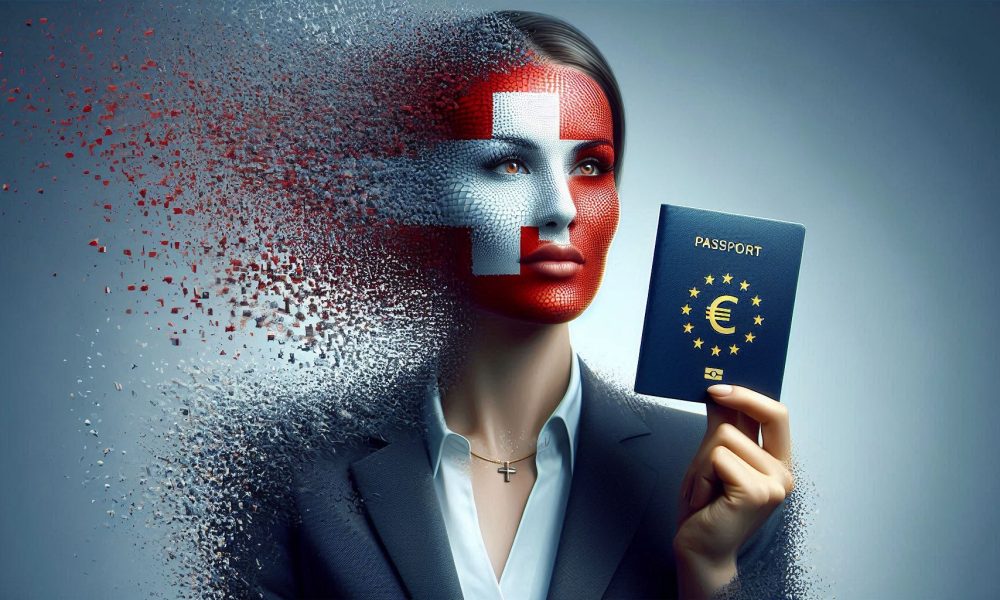
Vancouver, British Columbia — July 27, 2025 — As artificial intelligence technologies rapidly evolve, so do the methods used by governments, corporations, and criminal networks to track individuals through biometric data. In 2025, facial recognition, gait analysis, iris scanning, and voice recognition are no longer limited to high-security zones—they have permeated everyday life, from airport terminals and shopping malls to social media and traffic intersections. Amid this growing digital dragnet, Amicus International Consulting has released a comprehensive legal guide for individuals looking to avoid or opt out of biometric tracking while remaining fully compliant with international laws.
What Is Biometric Tracking and Why Does It Matter?
Biometric tracking refers to the use of unique physical characteristics to identify and monitor individuals. These characteristics may include:
Facial geometry and expressions
Fingerprints and palm vein patterns
Iris and retinal scans
Vocal tone and speech cadence
Behavioral patterns such as walking gait or typing rhythm
In 2025, biometric tracking has become embedded in national security infrastructure, immigration systems, smart devices, border checkpoints, and even public health databases. Unlike traditional identification methods such as passports or ID cards, biometric data is immutable—meaning it cannot be changed or erased once compromised. As such, once an individual’s biometric signature has been captured, it is difficult to regain anonymity.
The Role of AI in Biometric Surveillance
Artificial intelligence has supercharged biometric tracking by automating data analysis at scale. AI systems can now identify individuals across hundreds of camera feeds in real time, detect micro-expressions indicating stress or deception, and cross-reference facial images with social media databases or dark web leaks. In countries with aggressive surveillance policies, such systems are used to suppress dissent, control population movements, and block individuals without due process.
Even in democratic societies, biometric surveillance powered by AI has outpaced regulation. Smart cities, private corporations, and data brokers frequently capture and store biometric information without explicit user consent. The result is a surveillance economy that places privacy-conscious individuals at constant risk of exposure.
Who Is Most at Risk of Biometric Exposure?
While everyone is subject to increasing surveillance, the following groups are especially vulnerable:
Whistleblowers, journalists, and political activists
Survivors of domestic abuse or stalking
Dissidents fleeing authoritarian regimes
High-net-worth individuals seeking discretion
Clients of legal identity change services
Former public figures or celebrities escaping harassment
Individuals exiting extremist or religious groups
For these individuals, biometric tracking poses not only a privacy threat but also a physical security risk. Being identified through facial recognition at a border, airport, or protest can result in arrest, retaliation, or unwanted media attention.
Legal and Ethical Ways to Avoid Biometric Tracking in 2025
Amicus International Consulting emphasizes that privacy protection must always adhere to legal standards. The firm does not assist with document forgery, impersonation, or tampering with government systems or information. Instead, Amicus works with clients to leverage legal frameworks, privacy-friendly jurisdictions, and technological countermeasures to minimize biometric exposure.
Below are several legal methods available in 2025 to protect one’s identity and biometric footprint.
1. Jurisdictional Relocation to Privacy-Respecting Countries
Several countries have adopted strict biometric privacy laws that allow residents to opt out of facial recognition and other forms of biometric monitoring. Countries like Switzerland, Uruguay, and Iceland do not enforce mandatory biometric IDs and have banned real-time facial recognition in public spaces.
Relocating to one of these jurisdictions enables individuals to register a new identity, receive non-biometric identity documents, and shield their daily activities from mass surveillance. In 2025, Uruguay has become particularly popular for individuals rebuilding their lives under legal anonymity.
2. Legal Identity Change With Non-Biometric Issuing Authorities
In many nations, biometric data is collected at the time of passport or national ID issuance. However, some countries—especially in the Caribbean and Latin America—still issue identity documents without biometric linkage, or offer alternative paper-based IDs for religious or privacy-based objections.
Dominica, for instance, offers second citizenship through a donor program with minimal biometric requirements. Once the legal name and nationality are changed, individuals can obtain new IDs and passports that are not connected to legacy biometric records.
3. Use of Anti-Surveillance Wearables and Face Obfuscation Tools
In 2025, a wide array of wearable technologies has emerged to help individuals disrupt facial recognition. These include:
Infrared light-emitting glasses that confuse AI cameras
Hats and clothing with adversarial patterns designed to trigger false readings
Skin-tone masking overlays that alter perceived facial contours
Eye-tracking redirectors that turn off gaze-based surveillance algorithms
Amicus advises clients on legal jurisdictions where the use of such countermeasures is allowed and does not constitute obstruction of justice or deception of law enforcement. In many EU countries, wearing privacy-enhancing gear in public remains protected under civil liberty frameworks.
4. Rebuilding the Digital Self From Scratch
Biometric tracking is often tied to online activity. AI systems routinely scrape data from social media, dating apps, and professional networks to match real-time surveillance footage with publicly available images and video.
Amicus offers digital erasure services through legal mechanisms such as:
The EU’s “Right to Be Forgotten” directive
U.S. DMCA takedown requests for unauthorized image use
Private arbitration in jurisdictions where data brokers operate
In parallel, clients can relaunch their digital identities under new names, IP masks, and metadata frameworks. Rebuilding the digital self enables individuals to establish a new online presence that does not link to their biometric past.
5. Travel With Legal Identity Alternatives
Traditional border security often relies on biometric databases, such as INTERPOL, PISCES, and ICAO’s PKD (Public Key Directory). However, individuals holding second passports issued by jurisdictions outside of these databases can sometimes travel under legal identities that are not cross-linked with facial recognition profiles.
Amicus works with jurisdictions that issue clean-slate passports under complete legal Naturalization. For example, Vanuatu, Saint Kitts and Nevis, and Paraguay are known to issue travel documents that are not enrolled in global biometric matching systems, allowing discreet and lawful movement through selected regions.
6. Establishing Offshore Trusts for Biometric Control
A growing trend among privacy-conscious clients involves creating offshore entities that manage personal digital data, images, and biometric signatures. These trusts can serve as data protection instruments, asserting legal control over unauthorized use of personal information.
In 2025, countries like Liechtenstein and Panama offer trust structures that enable individuals to license, restrict, or legally block the usage of their facial images, voice samples, or behavioral patterns. These legal tools offer a robust defense against nonconsensual biometric collection.
Case Study: Avoiding Facial Recognition During the Political Asylum Process
In 2023, a Russian journalist sought asylum in Latin America after facing targeted surveillance and threats. The client had already been flagged in several biometric databases, making safe travel difficult. Amicus advised on relocation via a Caribbean jurisdiction with provisions for legal name change, followed by Naturalization in a Latin American country that did not require biometric passport issuance.
After one year, the client legally obtained new identification documents under their revised name and nationality. Surveillance systems in airports no longer recognize them, allowing travel without alerting hostile governments. The process was entirely legal and backed by recognized treaties protecting political refugees.
AI Arms Race: Governments vs. Privacy Seekers
As individuals adopt biometric countermeasures, governments are increasingly pushing for tighter controls. In 2025, new international regulations are being proposed to centralize biometric data under global identity authorities. The United Nations, ICAO, and Interpol are reviewing frameworks for biometric sharing that would make it difficult to change one’s biometric signature or opt out.
At the same time, legal resistance is growing. The European Court of Human Rights ruled in early 2025 that the indefinite storage of biometric data without judicial oversight violates personal dignity. Legal challenges in India, Canada, and Brazil are mounting against national biometric databases, particularly when they are misused for political or commercial purposes.
Case Study: Voice Recognition Avoidance in Corporate Whistleblower Case
A U.S.-based executive turned whistleblower in 2022 discovered that her employer had recorded voice samples used for identification across conference call software and smart office devices. She feared retaliation and exposure through AI-enhanced voiceprint tracking.
Amicus provided legal assistance for an identity change, including a new legal name, second citizenship, and voice-alteration technology. The client moved to a country where biometric registration was not mandatory and re-established her professional career in the fintech space under her new legal identity. AI voice tools could no longer match her speech patterns due to the algorithmic scrambling software she now legally uses.
Best Countries to Avoid Biometric Surveillance in 2025
Based on data privacy laws, biometric opt-out provisions, and the availability of legal identity restructuring, the following countries are among the safest:
Switzerland – Robust legal protections, no centralized biometric database
Uruguay – Progressive data sovereignty policies and privacy-centered governance
Paraguay – Minimal biometric integration into civil systems
Dominica – Offers second passports with low biometric visibility
Georgia – Local ID issuance with limited international cross-reference
Iceland – Bans real-time facial recognition in public places
Panama – Offers biometric alternatives and legal data trusts
Vanuatu – Issues citizenship without mandatory biometric linkage
Mexico – Allows name changes and privacy protections at the state level
Turkey – Strong civil name change rights with localized biometric records
Limitations and Legal Considerations
While it is legal to change one’s identity, avoid surveillance, and assert data privacy rights, individuals must still:
Report accurate information on financial disclosures
Comply with FATCA, CRS, and other tax regulations under the new identity
Use lawful processes for Naturalization, not forged or black-market documents
Abide by the travel regulations of countries that may still enforce biometric checks
Failure to observe these principles can result in legal jeopardy. Amicus works exclusively with clients seeking legitimate, long-term, ethical solutions to identity and biometric exposure challenges.
Case Study: Rebuilding After Biometric Data Leak
In 2024, an executive from South Korea discovered that a government contractor had leaked his biometric data—specifically, his iris scans and facial geometry—to a private marketing firm. The data was used to track his behavior at retail locations and airports.
Amicus advised on a legal relocation strategy utilizing a Caribbean CBI program, followed by residency in a non-extradition jurisdiction. His new documents no longer triggered AI surveillance systems, and he regained his personal and financial privacy while complying fully with international laws.
Conclusion: A Future of Privacy Is Still Possible
Despite the exponential growth of AI and biometric surveillance in 2025, individuals still have options available to them. Through legal identity change, second citizenship, and digital rebirth strategies, people can regain autonomy over their physical and digital presence.
Amicus International Consulting remains at the forefront of these solutions, helping clients navigate international law, emerging technologies, and privacy reform. For those committed to starting over safely and legally, protection from biometric tracking is still achievable.
Contact Information
Phone: +1 (604) 200-5402
Email: [email protected]
Website: www.amicusint.ca




