
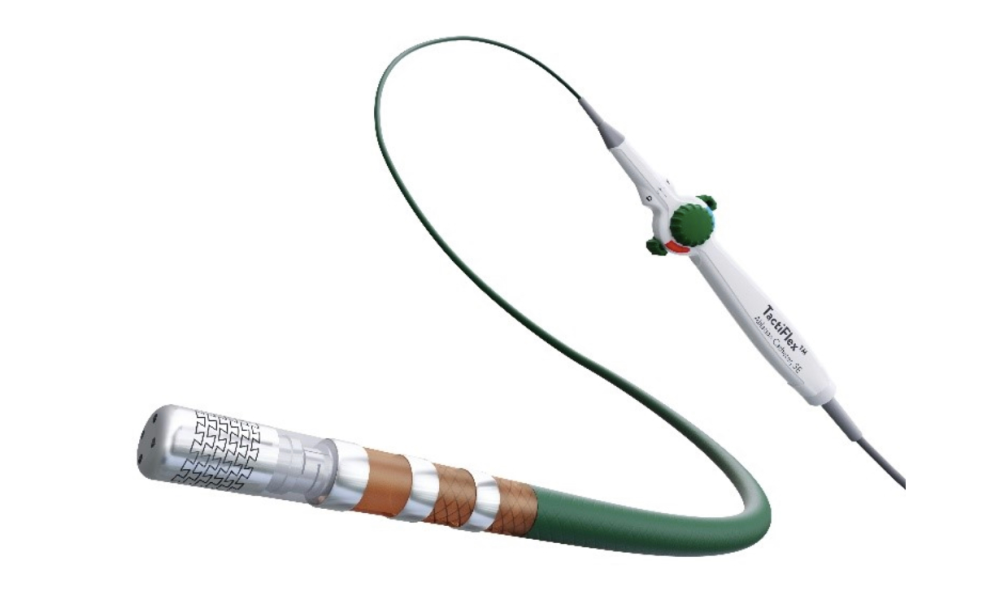
The global ablation catheters market is experiencing significant growth, driven by the rising incidence of cardiac arrhythmias, particularly atrial fibrillation (AF). In 2024, the market size is projected to be valued at USD 4.4 billion and is expected to expand at a robust compound annual growth rate (CAGR) of 15.1%, reaching USD 11.7 billion by 2031. This expansion is largely attributed to the increasing demand for minimally invasive cardiac interventions, advancements in ablation technology, and heightened awareness surrounding the benefits of catheter-based treatments for arrhythmias.
The market is being shaped by key drivers such as the increasing prevalence of heart arrhythmias, specifically atrial fibrillation, and the growing preference for less invasive procedures. Furthermore, the market’s rapid growth is supported by the rising adoption of advanced technologies, such as 3D mapping and robotic assistance, which improve the precision and safety of ablation procedures. The North American region currently dominates the ablation catheters market, supported by high healthcare expenditure, robust infrastructure, and a large patient pool in need of treatment for arrhythmias. Meanwhile, Asia Pacific is also emerging as a key market, driven by improving healthcare access and growing awareness about cardiac care.
Download Your Free Sample & Explore Key Insights: https://www.persistencemarketresearch.com/samples/34758
Key Highlights of the Market
• Market Size in 2024: USD 4.4 billion
• Projected Market Value in 2031: USD 11.7 billion
• Global Market Growth Rate: 15.1% CAGR (2024-2031)
• Dominant Region: North America, with a market share driven by advanced healthcare infrastructure and high prevalence of arrhythmias
• Leading Segment: Radiofrequency (RF) ablation, owing to its safety and effectiveness in treating atrial fibrillation
• High Growth in Inpatient Facilities: The inpatient facilities segment is projected to grow at 6.3% CAGR, driven by the increasing need for specialized care
Market Segmentation
The ablation catheters market is segmented based on product type, end-user, and geographical regions.
Product Type
The ablation catheters market can be categorized into several types, but the most significant segment is radiofrequency (RF) ablation. RF ablation remains the most widely used technique due to its established safety and efficacy profile, particularly in the treatment of atrial fibrillation and other arrhythmias. Radiofrequency ablation utilizes high-frequency electrical currents to destroy abnormal heart tissue, providing long-term relief from irregular heart rhythms. This technique’s high precision and minimally invasive nature contribute to its dominance in the market. The RF ablation segment is expected to grow at a CAGR of 5.2% through 2031, owing to its continued relevance in treating cardiac arrhythmias and ongoing technological advancements that enhance procedural outcomes.
End-User
The inpatient facilities segment is anticipated to experience the highest growth, projected at a CAGR of 6.3% through 2031. Inpatient facilities, such as hospitals and specialized cardiac centers, play a vital role in performing catheter-based ablation procedures, which are complex and high-risk. The growing prevalence of atrial fibrillation (AF) and advancements in ablation technology are driving demand for specialized inpatient care. These facilities are equipped with advanced electrophysiology labs and provide comprehensive care, from pre-procedure assessments to post-procedure recovery, ensuring optimal outcomes for patients.
Geographical Segments
Regionally, North America holds the largest share of the ablation catheters market, driven by the high prevalence of arrhythmias, well-established healthcare infrastructure, and significant investments in medical technology. The region’s dominance is further strengthened by the presence of leading market players and favorable healthcare policies. North America is expected to continue growing at a CAGR of 5.4% through 2031, fueled by a high adoption rate of advanced cardiac technologies.
On the other hand, Asia Pacific is emerging as a rapidly growing region in the ablation catheters market. Countries like China, India, and Japan are witnessing significant growth due to increasing healthcare investments, rising disposable incomes, and a growing awareness of advanced cardiac treatments. Asia Pacific is projected to expand at a CAGR of 6.5% through 2031, reflecting its potential to become a major hub for market growth in the coming years.
Regional Insights
The North American market remains dominant due to its advanced healthcare infrastructure, widespread adoption of innovative medical technologies, and a large pool of patients suffering from arrhythmias such as atrial fibrillation. High healthcare spending and robust clinical research are key factors contributing to the region’s growth. Furthermore, the increasing availability of state-of-the-art electrophysiology labs and supportive healthcare policies continue to drive demand for ablation catheters in the region.
In Asia Pacific, the market is expected to experience significant expansion driven by rapidly improving healthcare infrastructure and rising awareness of advanced cardiac treatments. The region’s dynamic healthcare landscape, particularly in China and India, is fueling the adoption of ablation therapies. The rising incidence of arrhythmias, coupled with the increasing focus on reducing the burden of cardiovascular diseases, is contributing to the demand for ablation catheters. The region’s diverse healthcare policies, government initiatives, and collaborations with global technology companies also create a favorable environment for market growth.
Get Custom Insights Designed for Your Business: https://www.persistencemarketresearch.com/request-customization/34758
Market Drivers
Growing Prevalence of Atrial Fibrillation (AF)
The increasing prevalence of atrial fibrillation (AF) is one of the major drivers of the ablation catheters market. As of now, approximately 33 million people worldwide are affected by AF, and this number is expected to double by 2050. AF is a serious arrhythmia that increases the risk of stroke, heart failure, and other cardiovascular complications. As the population ages, the incidence of AF is likely to rise, creating a substantial demand for effective and minimally invasive treatment options like catheter ablation.
Advancements in Ablation Technology
Technological innovations in ablation catheters are playing a critical role in the market’s expansion. Modern ablation catheters incorporate real-time imaging, advanced mapping systems, and robotic assistance, significantly improving the accuracy and safety of procedures. These technological advancements reduce the risks associated with traditional methods, increase procedural success rates, and minimize patient recovery times. As these innovations continue to evolve, they are expected to further boost market growth.
Shift Toward Minimally Invasive Procedures
The shift from open-heart surgery to minimally invasive procedures is another key driver for the market. Ablation catheters provide an alternative to traditional surgery, offering a less invasive solution for treating arrhythmias. This shift is particularly significant in regions like North America and Europe, where healthcare providers increasingly prefer techniques that reduce patient recovery times, minimize complications, and lower healthcare costs. The growing acceptance of minimally invasive procedures is likely to drive the demand for ablation catheters.
Market Restraints
Safety Concerns and Procedural Risks
Despite the effectiveness of ablation catheters, there are risks associated with their use, including complications such as stroke, cardiac tamponade, and esophageal injury. These risks, though rare, can lead to a reluctance among patients and healthcare providers to opt for the procedure. The potential for adverse outcomes, combined with the high cost of ablation procedures, may limit the widespread adoption of ablation catheters, particularly in regions with limited access to healthcare and financial resources.
High Procedural Costs
The cost of ablation procedures, including the catheters themselves, can be prohibitive for both patients and healthcare systems, particularly in developing regions. High procedural costs, along with the need for specialized training and equipment, may hinder the growth of the market, especially in regions with budget constraints and lower healthcare expenditure.
Market Opportunities
Digital Health Integration
One of the most significant opportunities for the ablation catheters market lies in the integration of digital health technologies, such as artificial intelligence (AI) and machine learning, into catheter-based interventions. By incorporating advanced imaging, remote monitoring, and predictive analytics, healthcare providers can improve the accuracy of procedures and reduce the risk of complications. This convergence of digital health with interventional cardiology represents a transformative shift in the market, driving future growth.
Expanding Clinical Indications
As clinical guidelines evolve, the use of ablation catheters is expanding beyond atrial fibrillation to include a broader range of arrhythmias, such as ventricular tachycardia and supraventricular tachycardia. This expansion increases the potential applications for ablation therapies and creates new opportunities for market players. Additionally, as healthcare providers recognize the effectiveness of ablation for treating a variety of cardiac conditions, the adoption of these devices is likely to grow.
Checkout Now & Download Complete Market Report: https://www.persistencemarketresearch.com/checkout/34758
Company Insights
The ablation catheters market is competitive, with several prominent players driving innovation and growth. Some of the key players in the market include:
• Abbott Laboratories
• Boston Scientific Corporation
• Johnson & Johnson (JnJ)
• Medtronic
• Biotronik SE & Co. KG
• Imricor
• CardioFocus
• MicroPort Scientific Corporation
Ablation Catheters Market Segmentation
By Type
- Radiofrequency (RF) Ablation
- Cryoablation
- Pulse Field Ablation
By End User
- Inpatient Facilities
- Outpatient Facilities
- Others
By Region
- North America
- Europe
- Asia-Pacific
- the Middle East and Africa
- Latin America
Recent Developments:
In August 2024, Pulse Biosciences announced the completion of its first-in-human feasibility study of its novel pulsed field ablation system, which was designated as a breakthrough device by the FDA.
In July 2024, Cordis received FDA approval for its Mynx Control Venous Vascular Closure Device, designed to aid cardiac ablation procedures.
Conclusion
The ablation catheters market is poised for substantial growth, driven by technological advancements, increasing awareness of atrial fibrillation, and the shift toward minimally invasive procedures. While challenges such as procedural risks and high costs remain, opportunities in digital health integration and expanding clinical indications present promising avenues for market growth. As the global burden of arrhythmias increases, the demand for effective and safe treatments will continue to fuel the expansion of the ablation catheters market in both developed and emerging markets.




