
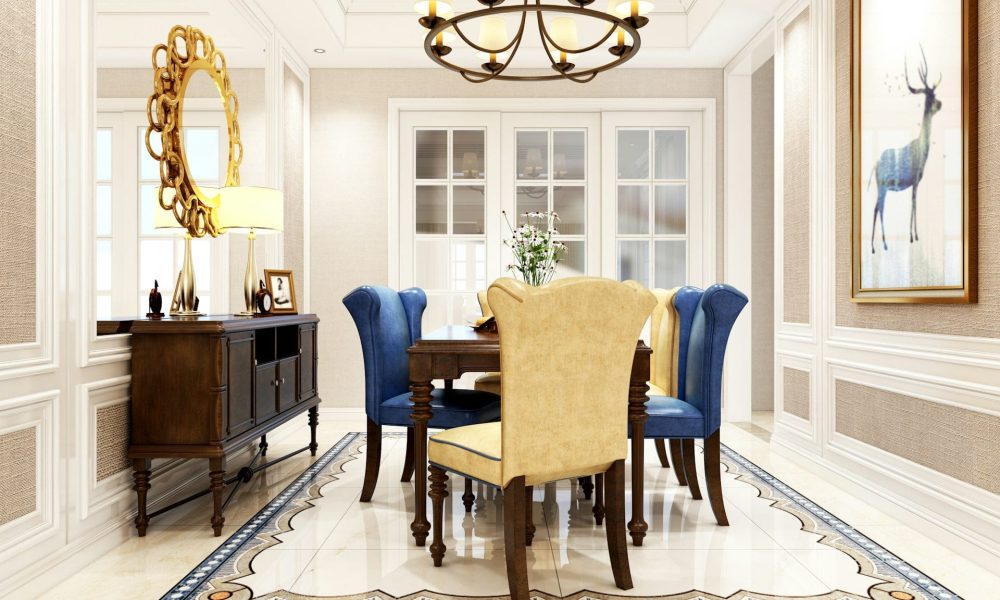
Color is a powerful design tool that goes beyond aesthetics; it influences emotions, perceptions, and even behaviors. In the world of commercial interiors, strategic use of color can transform spaces, creating environments that resonate with occupants and positively impact their experiences. Let’s explore the art of using color in commercial interiors and examine its psychological effects, design considerations, and the overall impact on businesses.
The Psychology of Color
Colors evoke distinct emotional responses and perceptions. For example, cool tones like blues and greens are often associated with calmness and tranquility, making them ideal for spaces where focus and concentration are crucial. In contrast, warm tones like reds and yellows can stimulate energy and creativity, making them suitable for areas that encourage collaboration and innovation. Understanding the psychology of color is key to creating interiors that align with the intended purpose of a commercial space.
Brand Identity and Culture
Colors play a pivotal role in conveying brand identity and fostering a cohesive company culture. The chosen color palette reflects a brand’s personality, values, and even its industry. Consistent use of brand colors in commercial interiors reinforces a sense of identity and professionalism, leaving a lasting impression on clients, visitors, and employees alike.
Spatial Perception and Size Manipulation
Colors have the ability to influence our perception of space. Lighter tones tend to make spaces feel larger and more open, making them ideal for smaller areas. Conversely, darker hues can create a sense of intimacy and coziness in larger spaces. By strategically selecting colors based on spatial considerations, skilled designers optimize the functionality and visual appeal of commercial interiors.
Productivity and Employee Well-Being
The use of color has a profound impact on employee productivity and well-being. Research suggests certain colors can enhance focus, reduce stress, and boost overall mood. For example, incorporating greens and blues in office spaces may contribute to a calmer and more focused work environment. Considering the well-being of occupants through thoughtful color selection can positively influence job satisfaction and overall productivity.
Adaptability and Trends
Commercial interiors are dynamic, and color trends evolve over time. Designers must strike a balance between timeless color choices and current trends. Incorporating adaptable design elements, such as accent pieces or furnishings, allows for easy updates to align with evolving color preferences without a complete overhaul of the space.
Does your office need more color?
The use of color in commercial interiors is an intricate art that extends beyond mere decoration. Strategic color choices influence emotions, perceptions, and behaviors, shaping the overall experience of those within the space. From enhancing brand identity to impacting employee well-being, the artful integration of color is a key consideration in creating commercial interiors that are not only visually appealing but also contribute to the success and functionality of businesses. By understanding the psychological effects and design implications of color, designers can craft spaces that resonate with occupants and leave a lasting positive impression.




