
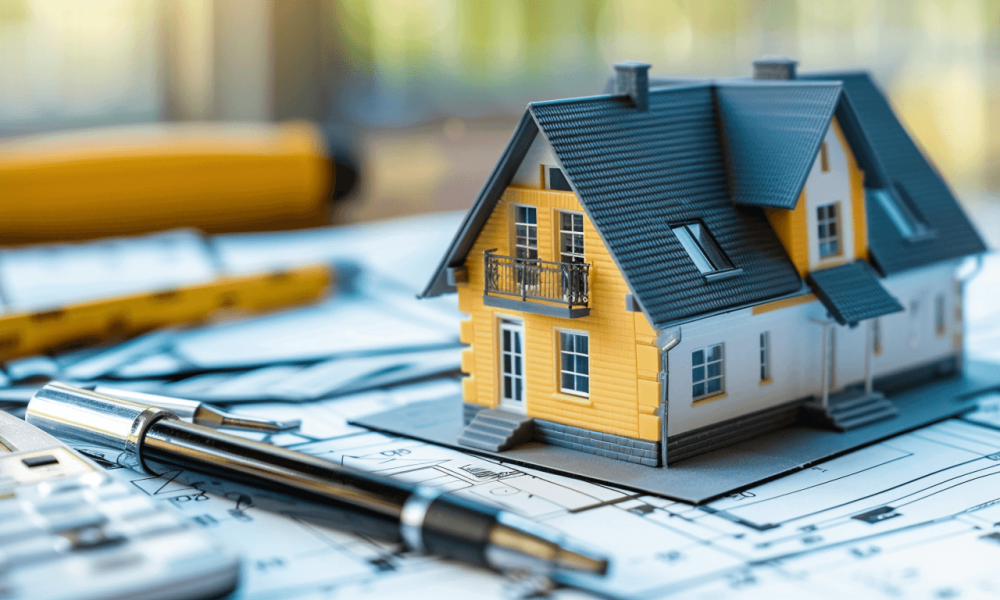
Real estate codes establish uniform standards for residential and commercial real estate. All new buildings are inspected to ensure compliance, but the codes change over time. A building that once was in compliance may no longer be. In addition, some types of repairs or renovations may cause a building to fall out of compliance. There are significant risks associated with non-compliance.
1- Safety Concerns
Many aspects of real estate codes are directly related to safety. For example, codes dictate how far apart the slats in railings may be and how tall each stair step should be. These and other codes are in place to support the safety of the building’s occupants and visitors to the property. Falling and tripping are only a few of the possibilities for residents and visitors. For example, a code violation for the electrical system may result in a fire. In cases such as this, code violations come with the significant possibility of causing deaths. While keeping up with code violations is challenging, a reputable property management company can do the work for you. The management company will stay informed about changing building codes and can make the necessary updates to bring the property back into code compliance.
2- Liability Risk
As a property owner, you are responsible for the damages your property causes to other people. From a legal perspective, you must provide a reasonably safe environment, and code violations mean that the property is not reasonably safe in many cases. Injured parties can hold you accountable for the injuries sustained on your property if you do not take reasonable steps to make the environment safe. This means that you may get sued. If you lose the case, you may be ordered to pay thousands of dollars or much more to the injured party. Property insurance may cover the cost of some of the litigation expenses, but you are responsible for any award amount not covered by insurance.
3- Trouble Selling
It is routine for a buyer to order a property inspection during the purchase process. In some cases, a property inspection may be required by the lender as part of the buyer’s loan application process. A property inspector will review most areas of the property and will clearly list all areas that are not in compliance. If there are many non-compliance areas or if there are serious issues, the buyer may negotiate for the repairs to be made before closing. The lender may require these repairs to be made. This can delay the closing. In some cases, the repairs are so significant that a buyer walks away from the deal.
Real estate codes are in place for a reason, and they are frequently updated. While staying on top of changing real estate codes requires consistent effort, you do not have to actively monitor codes in your area. Instead, you can rely on the efforts of your real estate management company to assist with this aspect of property ownership. Ensure that your management company has a solid reputation and can be trusted with something as important as monitoring real estate codes.




