
The optical equipment industry is currently witnessing a significant shift, with technology playing a pivotal role in reshaping its landscape. This transition is marked by a move away from traditional practices towards more advanced, automated solutions, catering to the evolving demands of optical professionals and consumers alike. As the industry stands at the crossroads of innovation and tradition, several key trends and developments are emerging, signaling a new direction for optical equipment and services.
The Rise of Automation in Optical Labs
Automation is revolutionizing optical labs around the globe, introducing efficiencies and precision previously unattainable. Automated lens edging machines, in particular, are transforming the way lenses are prepared, fitted, and delivered. This shift towards automation not only streamlines operations but also reduces the potential for human error, ensuring a higher quality product reaches the consumer.
The adoption of these automated systems is driven by the need for optical labs to increase throughput without compromising on the quality of the end product. As the technology becomes more accessible, even smaller labs are finding ways to integrate automation into their operations, leveling the playing field in an industry once dominated by larger players.
Sustainability: A Lens on Eco-Friendly Practices
Sustainability is becoming a key consideration in the optical equipment sector, with companies increasingly looking to reduce their environmental impact. This focus extends beyond the manufacturing process to include the lifecycle of the products themselves, encouraging the development of more durable, long-lasting equipment. The industry is also exploring the use of eco-friendly materials and striving to minimize waste in lens production and packaging. For a deeper understanding of these sustainability efforts and their impact, read more here.
As consumers become more environmentally conscious, optical labs and equipment manufacturers are responding with greener initiatives and products. This not only helps in reducing the carbon footprint of optical services but also aligns with the broader global push towards sustainability.
Design Meets Functionality: The Aesthetics of Optical Equipment
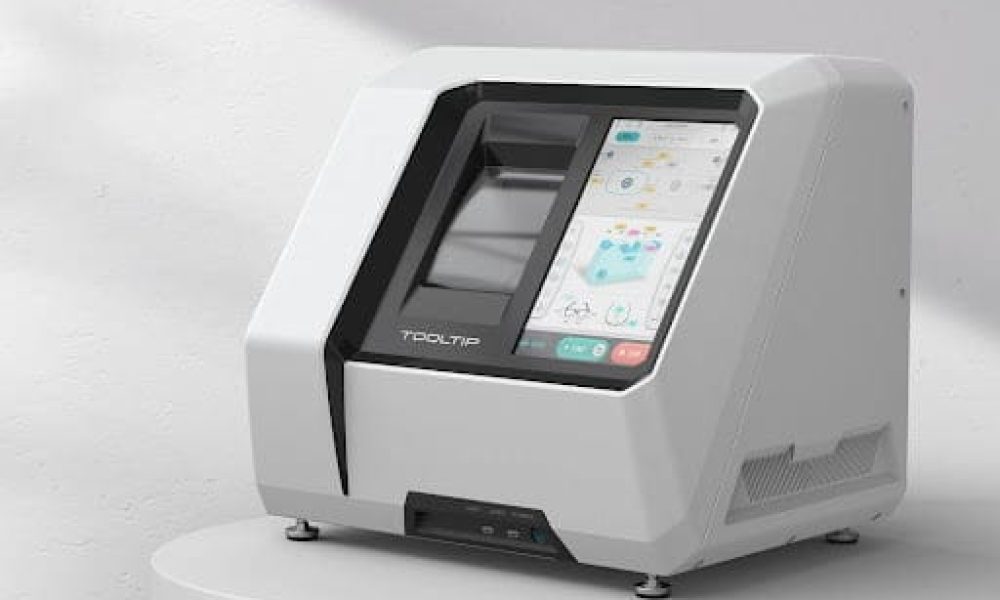
The design of optical equipment is undergoing a transformation, with aesthetics now playing a significant role in product development. Modern optical labs seek equipment that not only performs efficiently but also complements the lab’s interior design. This trend towards stylish, sleek designs is influencing manufacturers to rethink how optical equipment looks, making it more appealing to both practitioners and patients.
This emphasis on design does not detract from functionality; rather, it enhances the user experience, making equipment more intuitive and enjoyable to use. As a result, manufacturers are challenged to balance form with function, ensuring their products meet the high standards of today’s optical professionals.
Patient-Centric Innovations in Eye Care
The shift towards patient-centric care is dramatically reshaping the optical equipment industry, with technology serving as the catalyst for this transformation. Innovations in digital health technologies are enabling optical professionals to deliver care that is not just reactive but also proactive and personalized. Advanced diagnostics equipment and digital tools are now capable of capturing detailed patient data, allowing for the creation of customized lens solutions tailored to the specific visual needs of each individual. This approach not only enhances the effectiveness of optical products but also significantly improves patient satisfaction and outcomes.
Moreover, the advent of wearable technology and mobile applications for eye health is facilitating continuous monitoring and management of vision health outside the traditional clinical setting. These technologies provide patients with immediate feedback on their eye health status and offer guidance on when to seek professional care. Virtual reality (VR) applications are also emerging as a powerful tool in vision therapy, offering interactive and engaging ways to correct vision problems and improve visual skills. Together, these patient-centric innovations are setting new standards for personalized care in the optical industry, making it more responsive to the needs and preferences of patients.
Customer Service and Support: Beyond the Sale
In today’s digital age, customer service and support have become crucial differentiators in the optical equipment market. Providers are leveraging technology to offer remote assistance, online troubleshooting, and web-based training, ensuring customers receive timely and effective support. This evolution in customer service not only enhances the user experience but also builds long-term loyalty, as customers value the ongoing support post-purchase.
The move towards more interactive and responsive customer service models reflects the industry’s recognition of the importance of customer satisfaction and retention. Companies that excel in this area are setting new benchmarks for the entire sector.
A Case Study in Innovation: iiNEER at Vision Expo East
Amidst these industry-wide trends, iiNEER Co., Ltd. is making its mark with a notable presence at the upcoming Vision Expo East. Having already made waves at MIDO with its Tooltip Lens Edging Series, iiNEER exemplifies the kind of innovation and forward-thinking that is propelling the optical equipment industry forward. The company’s focus on blending advanced technology with user-friendly design and exceptional customer service highlights the evolving demands and opportunities within the sector.
iiNEER’s approach, particularly its emphasis on remote web-based customer support, aligns with the broader industry trend towards enhancing the customer experience through technology. As the industry continues to evolve, iiNEER’s participation in Vision Expo East is a testament to the dynamic nature of the optical equipment market and its potential for continued growth and innovation.
Global Market Trends and The Future of Optical Equipment
The optical equipment industry is at an inflection point, influenced by several global market trends that are expected to shape its future trajectory. The demand for optical products and services is rapidly growing in emerging markets, driven by increasing awareness of eye health and access to care. This expansion is creating new opportunities for manufacturers and providers to enter previously untapped markets, albeit with challenges such as adapting products to local needs and navigating diverse regulatory landscapes.
Supply chain dynamics are also playing a critical role, with recent disruptions highlighting the need for more resilient and flexible supply chains in the optical industry. Manufacturers are increasingly looking towards automation and digitalization to streamline production and distribution processes, ensuring the timely delivery of high-quality optical equipment worldwide.
Looking ahead, the industry is poised for further technological breakthroughs, particularly in the areas of AI and machine learning, which are expected to revolutionize eye care diagnostics and treatment. Sustainable practices are also becoming a priority, with a focus on reducing the environmental impact of optical products and operations. As the industry continues to evolve, these global trends will not only influence the development of new optical equipment but also redefine the landscape of eye care, making it more accessible, efficient, and sustainable for people around the globe.




