
Visualizing Beyond the Visible: Exploring the Dynamics and Applications of Acoustic Microscopy
In the realm of advanced imaging technologies, acoustic microscopy is making waves as a powerful tool that transcends the limitations of traditional optical and electron microscopy. This burgeoning market is poised for substantial growth, offering insights into materials’ structural integrity, quality control, and innovative research avenues across a range of industries. Let’s delve into the dynamics and applications that are propelling the acoustic microscopy market into the spotlight.
An Insight into Acoustic Microscopy
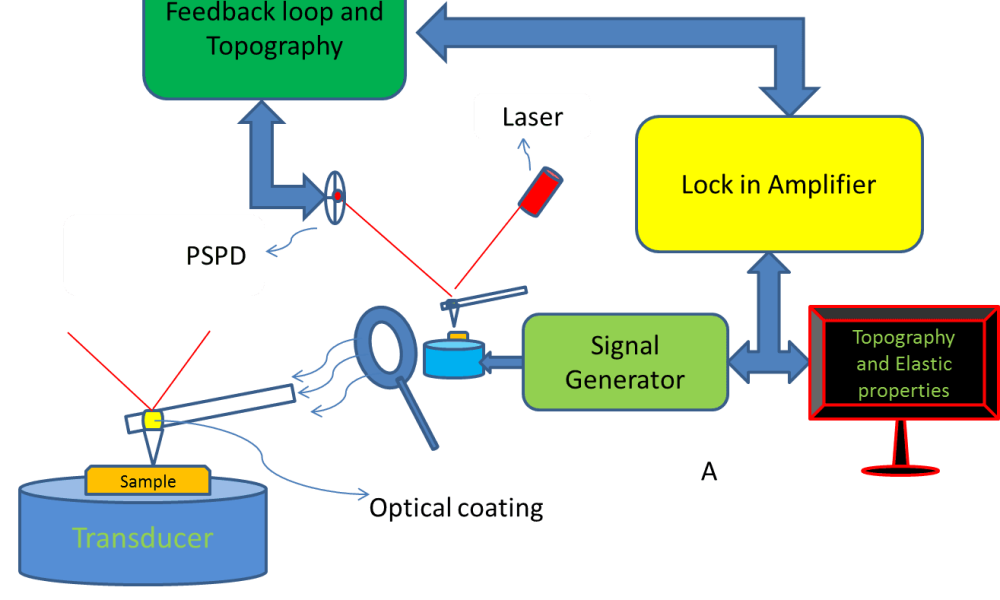
At its core, acoustic microscopy involves the use of high-frequency sound waves to create images of the internal structure of materials. This technology enables researchers and manufacturers to visualize subsurface features, internal defects, and intricate structures that may not be discernible through other imaging methods. The non-destructive nature of acoustic microscopy further enhances its appeal, making it a valuable asset in various scientific and industrial pursuits.
Market Dynamics and Growth Potential
The acoustic microscopy market is experiencing rapid expansion, driven by several key factors:
- Quality Control in Manufacturing: Industries such as electronics, aerospace, and materials manufacturing rely on acoustic microscopy for detecting defects, voids, and delaminations that might compromise the integrity of their products. This non-invasive technique ensures product quality and reduces the risk of failures.
- Materials Research: In scientific research, acoustic microscopy provides invaluable insights into the structural properties of materials, including polymers, ceramics, composites, and more. This aids researchers in studying material behavior under different conditions.
- Biomedical Applications: Acoustic microscopy finds applications in medical imaging and diagnostics, enabling high-resolution imaging of biological samples. This has implications for tissue imaging, cell analysis, and drug discovery.
- Nanotechnology: As nanotechnology advances, the demand for imaging tools that can probe at the nanoscale increases. Acoustic microscopy offers the ability to visualize nanostructures and characterize their mechanical properties.
- Semiconductor Industry: Acoustic microscopy is used to inspect and analyze semiconductor components, aiding in failure analysis and ensuring the reliability of microelectronic devices.
Driving Innovations and Applications
Acoustic microscopy’s wide-ranging applications are transforming various industries:
- Layered Materials: Acoustic microscopy excels in examining layered materials, revealing interfaces, thickness variations, and possible delaminations. This is crucial for ensuring the reliability of components.
- Microelectronics: The semiconductor industry relies on acoustic microscopy for locating defects, analyzing packaging, and verifying the quality of integrated circuits.
- Biomedical Imaging: In biomedical research, acoustic microscopy provides insights into tissue structures, cellular interactions, and the mechanics of living organisms.
- Materials Characterization: Researchers leverage acoustic microscopy to analyze material properties, detect microstructural changes, and assess the impact of external factors on materials.
The Road Ahead
As technology advances and industries embrace the capabilities of acoustic microscopy, the market is poised for sustained growth. Ongoing innovations, such as multi-modal imaging and the integration of AI algorithms, are enhancing the capabilities of this imaging technique. The synergy between acoustic microscopy and other technologies is opening new frontiers for scientific discovery, product development, and quality assurance.
In conclusion, the acoustic microscopy market’s trajectory toward expansion underscores its pivotal role in diverse industries, from manufacturing to healthcare and beyond. With its ability to reveal hidden structures and defects, this technology empowers researchers and industries to make informed decisions, drive innovation, and ensure the reliability of their products. As acoustic microscopy continues to sound the depths of materials and biological systems, the future holds promise for groundbreaking discoveries and transformative applications.




