
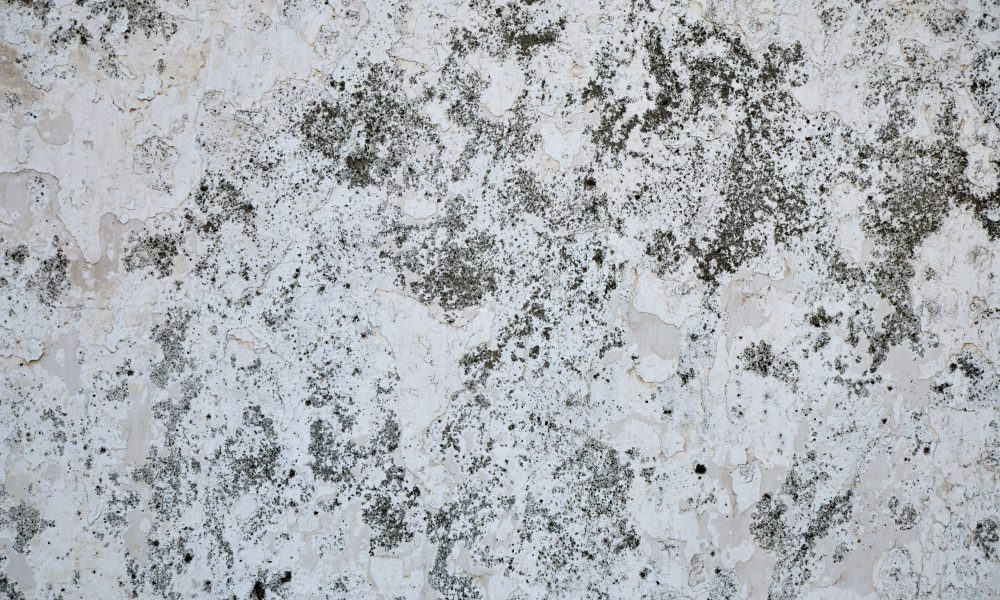
We spend a lot of time perfecting the temperature of our homes, adjusting thermostats to stay cool in the summer and warm in the winter, but we often ignore another critical factor of indoor air quality: humidity. While a little bit of humidity keeps our skin from drying out, too much of it creates a breeding ground for unwanted fungal guests. Microscopic spores float through the air around us every single day, just waiting for the right conditions to settle down and multiply. When your indoor environment holds too much water, those floating spores finally have the fuel they need to thrive. If these colonies are left unchecked, they can quickly spread across your walls, ceilings, and personal belongings. Once a fungal problem takes root, resolving it safely usually requires professional mold remediation to ensure your property isn’t permanently damaged. Understanding how moisture behaves inside your house is the most effective way to stop this frustrating problem before it ever begins.
The Basic Biology of Spores
Fungal spores are nature’s ultimate survivors. They can lie dormant in house dust for years, completely inactive until they encounter their favorite resource: water. Unlike plants, fungi don’t need sunlight to grow. They only require oxygen, a food source like drywall or wood, and moisture. Since your house is built entirely out of their favorite foods, the only factor you can truly control is the water supply. When indoor humidity rises above sixty percent, the materials in your home act like sponges. Drywall, carpeting, and upholstery absorb this excess moisture directly from the air. Once these materials become damp, dormant spores wake up, attach themselves, and begin to colonize your living space.
Condensation on Cold Surfaces
You don’t need a broken pipe to create a water problem. Condensation is a silent culprit that ruins countless homes every year. During the colder months, we turn up the heat inside while the temperature outside drops. When the warm, humid air inside your living room collides with a cold surface like a windowpane or an uninsulated exterior wall, the air cools rapidly. Because cold air can’t hold as much water as warm air, it drops the excess onto the surface as liquid condensation. This constant damp-to-dry cycle causes window sills to rot and paint to peel, creating a perfect runway for dark patches to form right in your bedrooms and living rooms.
Everyday Habits That Feed the Air
Many homeowners are surprised to learn that they’re the primary source of their own humidity problems. Everyday activities pump gallons of water into the air. Boiling pasta on the stove, running the dishwasher, and taking long, hot showers all release dense steam. Even breathing and sweating contribute to the overall indoor moisture load. If you dry your laundry on a rack inside your bedroom, all the water evaporating from those wet clothes goes directly into your environment. Without a way to escape, this daily accumulation of vapor settles into the darkest, quietest corners of your property.
The Danger of Hidden Microclimates
Sometimes the moisture isn’t floating in the middle of the room; it’s trapped in a tiny, isolated microclimate. A slow drip from the supply line behind your refrigerator or a poorly sealed pipe joint under the bathroom sink might only leak a few drops a day, but in a dark, enclosed space with zero airflow, those few drops are more than enough to cause trouble. The humidity inside that specific cabinet or wall cavity spikes, creating a localized greenhouse effect. Because these spaces are usually hidden behind large appliances or drywall, the fungi can grow undisturbed for months, silently eating away at your subfloor and structural framing.
Effective Ventilation Strategies
The best way to combat indoor humidity is to give the damp air an escape route. Mechanical ventilation is your first line of defense. Always run the exhaust fan in your bathroom during a shower and leave it on for at least twenty minutes afterward to pull the steam outside. Use the range hood in your kitchen whenever you boil water. If your bathrooms and kitchen don’t have exhaust fans, opening a window slightly creates a cross-breeze that helps pull the humid air out. For homes located in naturally damp climates, investing in a high-quality dehumidifier for the basement or crawlspace is a smart strategy to keep the baseline moisture in check.
Monitoring Your Baseline
You can’t fix a problem if you don’t know it exists. Relying on how the air feels isn’t an accurate way to gauge your risk. Picking up a digital hygrometer from a hardware store takes the guesswork out of the equation. This simple device measures the exact percentage of water vapor in the air. Ideally, you want to keep your indoor humidity between thirty and fifty percent. Checking this monitor regularly lets you know exactly when you need to turn on a dehumidifier or crack a window.
Controlling your home’s climate is a balancing act, but it’s entirely manageable once you understand how water vapor behaves. By keeping a close eye on your daily habits, running your exhaust fans, and monitoring the numbers on a hygrometer, you deny fungi the very thing they need to survive. A dry house is a healthy house, protecting both your family’s respiratory well-being and the structural integrity of your biggest financial investment.