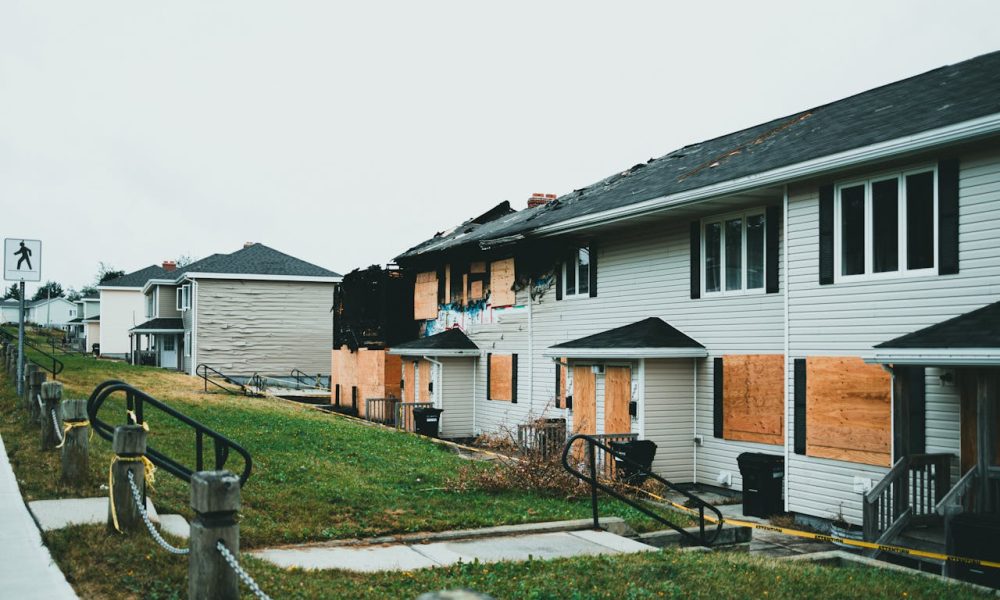
Property damage can happen unexpectedly after storms, accidents, fires, floods, or other disasters. Whether the damage affects your home, vehicle, or business, proper documentation is one of the most important steps you can take to protect your financial interests and strengthen an insurance claim. Many people underestimate how critical detailed evidence can be until they face delays, disputes, or denied compensation from an insurance company.
By taking the right steps immediately after discovering damage, you can create a clear record of losses and improve your chances of recovering the compensation needed for repairs and restoration. Understanding how to organize evidence, communicate with insurers, and avoid common mistakes can make a major difference throughout the claims process.
Why Proper Documentation Matters
Insurance companies rely heavily on documentation when evaluating claims. If evidence is incomplete or inconsistent, adjusters may question the extent of the damage or the value of the losses. Thorough records help establish the timeline of events, demonstrate the severity of the damage, and support repair estimates.
Well-documented claims can also help homeowners and business owners avoid unnecessary disputes. In some situations, legal guidance may become necessary if insurers undervalue or deny legitimate claims. Working with a Barcus Arenas wind damage lawyer in New Orleans may help property owners understand their rights after severe weather causes structural or financial losses.
Start Documenting Damage Immediately
One of the most important things you can do is begin documenting the damage as soon as it is safe to do so. Waiting too long may allow conditions to change, especially after water intrusion, mold growth, or temporary repairs.
Take Clear Photos and Videos
Photographs and videos provide visual evidence of the condition of the property immediately after the incident. Capture both wide-angle shots and close-up images to show the overall impact and specific details.
Important areas to document include:
- Roof damage
- Broken windows
- Water stains
- Structural cracks
- Damaged personal belongings
- Fallen trees or debris
- Flooded areas
- Electrical or appliance damage
When taking videos, narrate what you are seeing and include timestamps if possible. Continue documenting the property throughout the repair process to maintain a complete record of changes and progress.
Avoid Throwing Away Damaged Items Too Soon
Many property owners mistakenly dispose of damaged belongings before insurers have had a chance to inspect them. Unless the items create a health or safety hazard, keep them until the insurance company confirms they are no longer needed for evaluation.
If disposal becomes necessary, take multiple photographs beforehand and save receipts related to cleanup or disposal services.
Create a Detailed Inventory of Losses
A written inventory is just as important as visual evidence. Make a list of every damaged item, including:
- Furniture
- Electronics
- Appliances
- Clothing
- Tools
- Business equipment
- Flooring materials
- Building components
For each item, include details such as:
- Brand and model
- Approximate purchase date
- Estimated value
- Replacement cost
- Condition before damage
Receipts, bank statements, warranties, and maintenance records can strengthen your documentation. Even if you no longer have original receipts, photographs from before the incident may help prove ownership and condition.
Keep All Insurance Communications Organized
Good communication records can prevent misunderstandings and provide evidence if disputes arise later.
Save Emails and Letters
Create a dedicated folder for all correspondence related to the claim. Save:
- Emails
- Claim forms
- Inspection reports
- Coverage explanations
- Denial letters
- Repair estimates
Keep both digital and printed copies whenever possible.
Document Phone Conversations
After speaking with insurance representatives, write down:
- The representative’s name
- Date and time of the call
- Topics discussed
- Any promises or instructions provided
Maintaining a communication log can help clarify conflicting information later in the claims process.
Obtain Independent Repair Estimates
Insurance companies often send adjusters or preferred contractors to inspect the property. While their evaluations are important, it is also wise to seek independent repair estimates from licensed contractors.
Independent estimates can help identify discrepancies in repair costs or overlooked damage. In some cases, hidden structural problems or long-term moisture issues may not become obvious until contractors begin repairs.
Seeking multiple opinions can provide leverage during negotiations and help property owners better understand the true scope of the losses.
Understand the Importance of Expert Guidance
Property damage claims can quickly become complicated, especially after severe storms or widespread disasters. Delays, low settlement offers, and disagreements over coverage are common challenges.
Understanding your legal and financial options is important when navigating these situations. Articles discussing why experienced legal representation can make a significant difference after major setbacks highlight how professional guidance may help individuals protect their interests during difficult claims disputes.
Preserve Evidence of Temporary Repairs
After documenting the damage, property owners often need to make temporary repairs to prevent conditions from worsening. Examples include:
- Tarping a roof
- Boarding broken windows
- Removing standing water
- Drying wet areas
Insurance policies frequently require homeowners to take reasonable steps to minimize further damage. However, it is important to document all temporary repairs carefully.
Save Receipts and Invoices
Keep receipts for:
- Emergency supplies
- Contractor services
- Hotel stays
- Equipment rentals
- Cleanup costs
These expenses may be reimbursable under your policy.
Take Before-and-After Photos
Photograph all temporary repairs before work begins and after completion. This creates a record of the original damage and the efforts made to protect the property.
Be Careful When Signing Documents
Insurance companies may ask policyholders to sign documents during the claims process. Carefully review everything before signing, especially settlement agreements or releases.
Some documents may limit your ability to pursue additional compensation if hidden damage is discovered later. If you are uncertain about the language or consequences of an agreement, seeking professional guidance may help you avoid costly mistakes.
Know When Disputes May Escalate
Unfortunately, not every property damage claim proceeds smoothly. Disputes may arise over:
- Coverage exclusions
- Repair estimates
- Cause of damage
- Depreciation calculations
- Delayed inspections
- Claim denials
When negotiations become difficult, understanding your legal options can be valuable. Resources explaining small claims court procedures and dispute resolution may help property owners better understand potential paths forward if conflicts cannot be resolved informally.
Conclusion
Documenting property damage the right way requires attention to detail, organization, and quick action. Thorough evidence can strengthen your insurance claim, reduce delays, and improve your ability to recover financially after unexpected losses.
By taking clear photographs, maintaining accurate inventories, saving communication records, and preserving repair documentation, property owners can create a strong foundation for the claims process. Whether dealing with storm damage, flooding, fire, or structural issues, proper documentation often becomes one of the most important tools for protecting your interests and securing fair compensation.