We’ve all been there before. You’re drying your hair, someone turns on the microwave in the kitchen, and suddenly, the entire room goes dark. Tripped breakers and flickering lights are incredibly annoying, but they’re also your home’s way of telling you that the electrical panel is overwhelmed. Modern families rely on a lot of power. Between smart devices, large appliances, and continuous climate control, we ask our homes to handle far more electricity than they did twenty or thirty years ago.
If your breaker box is constantly struggling to keep up, it might be time to call in a professional electrical service to evaluate your panel. But before you make that call, it helps to know exactly where the problem is coming from. Certain appliances draw significantly more power than others, putting serious stress on your wiring. Let’s look at the biggest energy eaters in your house and why they cause so much trouble behind the walls.
Heating and Cooling Systems
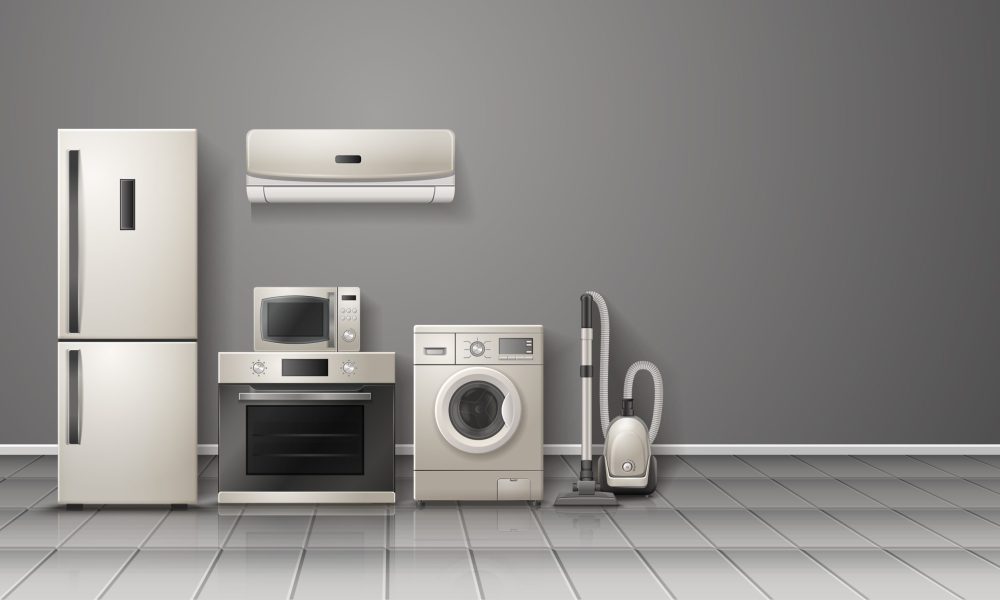
The undisputed kings of power consumption are your HVAC units. Central air conditioners, heat pumps, and electric furnaces require a tremendous amount of electricity just to turn on. When your thermostat signals the AC compressor to start, it pulls a sudden surge of power. If your electrical panel is outdated or the capacitor on the unit is failing, this sudden draw will frequently trip your main breaker or cause the lights throughout your house to dim momentarily.
Window air conditioning units are notorious troublemakers as well. Because they’re often plugged into standard bedroom or living room outlets rather than dedicated circuits, they easily overload the wiring. Running a window AC unit simultaneously with a television, a gaming console, or a vacuum cleaner on the same circuit is a guaranteed recipe for a blown fuse or a tripped breaker.
The Kitchen
Kitchens are packed with high-demand appliances, making them a common hotspot for electrical issues. Your refrigerator runs constantly, and its compressor cycles on and off throughout the day. While a fridge alone usually won’t overwhelm a modern system, the problems start when it shares a circuit with other high-wattage items.
The electric range and oven are major culprits. Generating heat requires a lot of energy, which is why your stove uses a special 240-volt outlet. If the wiring isn’t sized perfectly for the appliance, the wires can overheat over time, degrading the insulation and creating a serious fire hazard.
Then there’s the microwave. Despite its relatively small size, a microwave needs a surprising burst of wattage to heat your food quickly. If your kitchen isn’t properly wired with multiple dedicated circuits, running the microwave while the refrigerator compressor kicks on or while the toaster is toasting will shut the kitchen down instantly.
The Laundry Room
Your washing machine and electric dryer work as a team, but they’re tough on your electrical grid. The washing machine uses a strong motor to agitate and spin wet clothes, drawing a solid amount of current. However, the real energy drain is the electric dryer. Just like the kitchen stove, an electric dryer relies on a large heating element to dry your clothes quickly, requiring its own robust 240-volt circuit.
Even if your dryer has a dedicated circuit, older homes might have degraded wiring that struggles to safely carry that much current for a full hour-long drying cycle. If you ever notice that the plug or the outlet feels unusually warm to the touch after doing a load of laundry, your system is struggling to handle the load and needs a professional inspection immediately.
Space Heaters and Hair Dryers
Sometimes, the smallest appliances cause the most havoc. Space heaters and hair dryers are incredibly power-hungry because they convert electrical current directly into heat. A standard plug-in space heater can draw up to 1,500 watts all by itself.
The primary issue with these portable devices is where we plug them in. You plug them into regular 120-volt wall outlets that were originally designed to handle low-draw items like lamps, phone chargers, and alarm clocks. When you plug a space heater into a bedroom outlet and run it on high, you’re maxing out that specific circuit’s capacity. If you turn on a hair dryer in the attached bathroom that shares the same circuit, the system shuts down to prevent an electrical fire.
Electric Water Heaters
If you have an electric water heater, it’s silently pulling a large amount of power every single day. These large tanks have heating elements submerged in the water that click on whenever the temperature drops below your setting. Because this happens behind the scenes in a garage or utility closet, homeowners rarely suspect the water heater when their energy bills spike or their panel seems stressed. While they’re usually wired correctly on their own circuits, sediment buildup inside the tank can force the heating elements to work twice as hard. This draws unnecessary power and stresses the wiring over time, which can eventually lead to a tripped breaker.
Warning Signs Your System is Overloaded
It’s important to recognize when your home’s grid is crying out for help. Keep an eye out for these common warning signs that your appliances are pushing your system to the brink:
- Flickering or dimming lights: This is especially common when a large appliance turns on.
- Buzzing sounds: Listen for faint buzzing coming from your wall outlets or the main breaker panel.
- Warm switch plates: Outlets or light switches that feel warm to the touch are a major red flag.
- Frequent trips: Breakers that need to be reset weekly or monthly aren’t just an annoyance; they’re a safety warning.
Protecting Your Home’s Grid
Your home’s electrical panel acts as the traffic cop for all this power. If your appliances are constantly asking for more electricity than the panel can safely deliver, you’ll continue to experience frustrating power drops. Upgrading to dedicated circuits for your kitchen and laundry room, or upgrading your main panel entirely, ensures your modern appliances get the power they need without compromising your safety. Don’t ignore the warning signs. By paying attention to how your house reacts when you run these high-demand devices, you can keep your home safe, functional, and fully powered for years to come.