
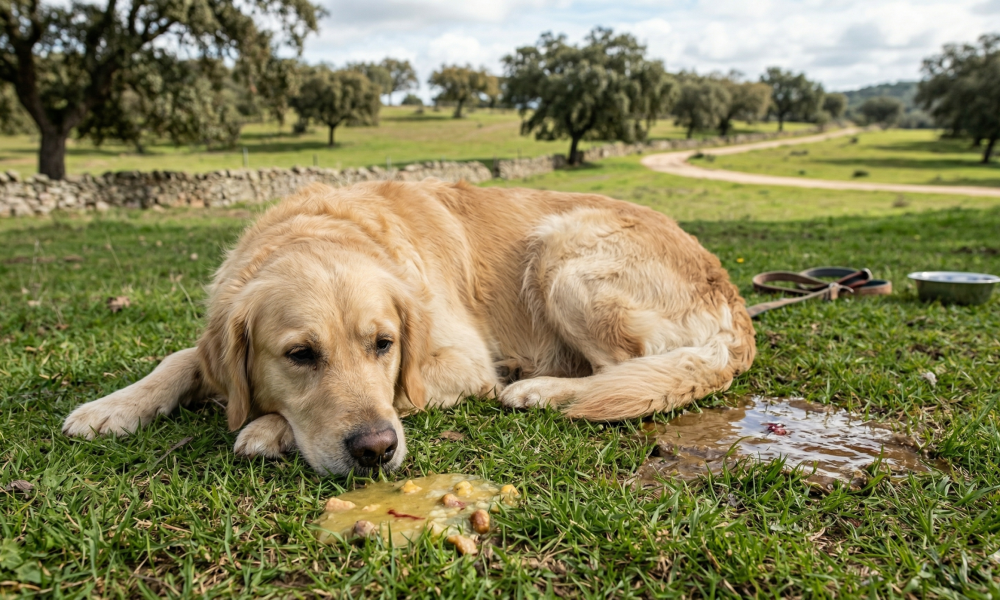
Dogs diarrhoea and vomiting: causes, treatment and when to worry
Vomiting and diarrhoea are among the most common health issues affecting dogs. While they are often mild and short-lived, they can sometimes signal a more serious underlying problem. Understanding the causes, recognising symptoms, and knowing when to seek veterinary advice can help ensure your dog receives appropriate care.
What causes vomiting and diarrhoea in dogs?
In many cases, vomiting and diarrhoea occur together due to irritation or inflammation of the digestive system, commonly referred to as gastroenteritis. This condition is often temporary and may resolve within a few days.
One of the most frequent causes is dietary indiscretion. Dogs are naturally curious and may eat spoiled food, rubbish, or unfamiliar items, which can upset their stomach. Sudden changes in diet can also trigger digestive upset, leading to loose stools or vomiting.
Infections are another possible cause. Bacterial, viral, or parasitic infections can affect the gastrointestinal tract, resulting in symptoms such as diarrhoea, vomiting, and abdominal discomfort.
Other causes may include stress, food intolerances, or allergies. Some dogs react poorly to certain ingredients, which can lead to recurring digestive problems. In more serious cases, vomiting and diarrhoea may be linked to conditions affecting organs such as the liver or pancreas, or ingestion of toxins or foreign objects.
Common symptoms to watch for
Dogs experiencing vomiting and diarrhoea may show a range of symptoms beyond the obvious digestive signs. These can include nausea, lip licking, drooling, and restlessness before vomiting occurs.
Diarrhoea typically presents as loose or watery stools, sometimes accompanied by increased frequency or urgency. In some cases, mucus or blood may be present, which can indicate irritation or a more serious issue.
Other symptoms to monitor include lethargy, reduced appetite, abdominal pain, and signs of dehydration such as dry gums or sunken eyes. These indicators can help determine the severity of the condition.
How to treat vomiting and diarrhoea in dogs
Treatment depends largely on the underlying cause. For mild cases, supportive care at home is often sufficient. Resting the digestive system by temporarily withholding food for a short period can help reduce irritation. After this, small amounts of a bland diet can be introduced gradually.
Hydration is essential. Dogs with vomiting and diarrhoea lose fluids quickly, so offering small amounts of water frequently can help prevent dehydration. However, allowing large quantities at once may worsen vomiting, so controlled intake is important.
If symptoms improve, normal feeding can be reintroduced slowly over a couple of days. In some cases, vets may recommend specific diets or medications to control symptoms and support recovery.
More severe or persistent cases require veterinary attention. A vet may carry out examinations, blood tests, or imaging to identify underlying causes and provide targeted treatment.
When to worry and seek veterinary advice
Although many cases are mild, there are situations where vomiting and diarrhoea should not be ignored. Persistent symptoms lasting more than 24 to 48 hours may indicate a more serious issue and should be assessed by a vet.
Immediate veterinary attention is needed if there is blood in the vomit or stool, continuous vomiting, or signs of severe lethargy. These symptoms can point to conditions such as infection, poisoning, or internal injury.
Dehydration is another major concern, particularly in puppies, elderly dogs, or those with underlying health conditions. These groups are more vulnerable and can deteriorate quickly if not treated promptly.
Other warning signs include abdominal swelling, collapse, disorientation, or repeated retching without producing vomit, which may indicate a life-threatening emergency requiring urgent care.
Preventing future episodes
While not all cases can be prevented, certain measures can reduce the risk of vomiting and diarrhoea. Maintaining a consistent diet, avoiding sudden food changes, and preventing access to unsuitable items can help protect your dog’s digestive health
Regular parasite control and routine veterinary check-ups also play a key role in preventing infections and identifying potential health issues early. Monitoring your dog’s behaviour and appetite can help you spot problems before they become serious.
Conclusion
Vomiting and diarrhoea in dogs are common and often resolve with simple care. However, they can sometimes indicate more serious health concerns. By understanding the causes, recognising warning signs, and acting promptly when necessary, you can help ensure your dog remains healthy and recovers quickly from digestive upset.




