
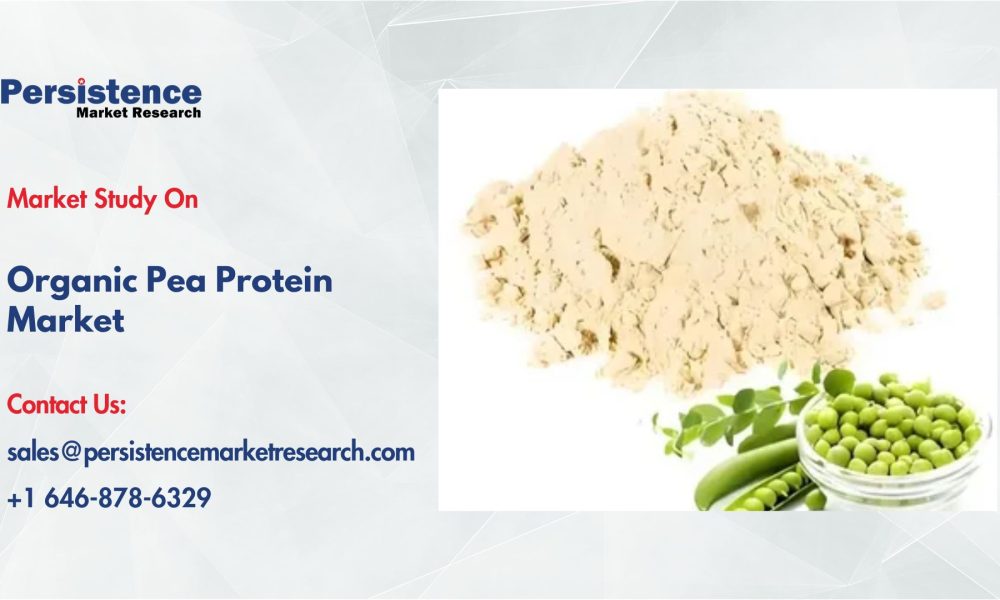
The global organic pea protein market size is expected to be valued at US$ 567.2 million in 2026 and is projected to reach US$ 1,063.8 million by 2033, expanding at a compound annual growth rate (CAGR) of 9.4% during the forecast period from 2026 to 2033. This impressive growth trajectory reflects the rising popularity of plant-based protein alternatives and the expanding applications of pea protein in food processing and nutrition industries.
Organic pea protein has gained significant traction in recent years due to its functional and nutritional advantages. Unlike many traditional protein sources such as soy or dairy, pea protein is naturally free from common allergens and is considered suitable for consumers with lactose intolerance or soy sensitivities. This characteristic makes it particularly attractive for food manufacturers seeking to develop inclusive and widely acceptable product formulations.
The market is also being driven by the rapid expansion of the plant-based food industry. Consumers are increasingly seeking alternatives to animal-based protein products due to ethical, environmental, and health concerns. As a result, companies producing plant-based meat, dairy substitutes, and protein supplements are heavily incorporating organic pea protein into their product lines.
Another important factor supporting market growth is the rising demand for clean-label ingredients. Organic certification ensures that pea protein is produced without synthetic pesticides, fertilizers, or genetically modified organisms, aligning with consumer preferences for natural and minimally processed food ingredients.
In addition, the growth of the sports nutrition and fitness industry is further fueling demand for high-quality plant-based protein powders. Organic pea protein is widely used in protein shakes, nutritional bars, and dietary supplements aimed at athletes and health-conscious consumers.
Get Your FREE Sample Report Instantly – Click Now: https://www.persistencemarketresearch.com/samples/28036
Segmentation Analysis
By Source
- Yellow Pea
- Chickpea
- Fava bean
- Blends
By Form
- Isolates
- Concentrates
- Hydrolysate
By End Use
- Functional Foods & Beverages
- Sports & Performance Nutrition
- Meat Alternatives & Plant-Based Foods
- Infant & Early Life Nutrition
- Animal Feed & Pet Nutrition
- Others
Regional Insights
From a regional perspective, the organic pea protein market demonstrates strong growth across North America, Europe, Asia Pacific, Latin America, and the Middle East & Africa.
North America currently holds a leading position in the global market due to the region’s well-established plant-based food industry and high consumer awareness regarding health and sustainability. The United States, in particular, has witnessed rapid expansion in plant-based meat alternatives, protein supplements, and vegan food products, all of which utilize organic pea protein as a key ingredient.
Europe represents another major market for organic pea protein, driven by stringent regulations supporting organic food production and strong consumer preference for clean-label products. Countries such as Germany, the United Kingdom, France, and the Netherlands have seen significant growth in vegan and vegetarian diets, which has boosted demand for plant-based protein ingredients.
The Asia Pacific region is emerging as the fastest-growing market during the forecast period. Rising health awareness, expanding middle-class populations, and increasing demand for plant-based foods are contributing to market growth in countries such as China, India, Japan, and Australia.
In addition, governments in several Asia Pacific countries are promoting sustainable agriculture and plant-based protein production to support food security and reduce environmental impact. These initiatives are expected to further accelerate market expansion in the region.
Unique Features and Innovations in the Market
Innovation and technological advancements are playing a crucial role in shaping the organic pea protein market. Manufacturers are continuously improving extraction and processing technologies to enhance the functional performance, taste, and texture of pea protein ingredients.
One of the major areas of innovation is the use of artificial intelligence (AI) and data analytics in ingredient formulation and product development. AI-driven food formulation tools allow companies to optimize protein blends, improve flavor profiles, and accelerate product innovation cycles.
The integration of Internet of Things (IoT) technologies in production facilities is also improving operational efficiency and quality control. Smart manufacturing systems enable real-time monitoring of processing conditions, ensuring consistent product quality and reducing production waste.
In addition, advances in food processing technologies are helping manufacturers reduce the characteristic earthy flavor often associated with pea protein. Improved flavor masking techniques and fermentation-based processing methods are enabling the development of neutral-tasting pea protein ingredients suitable for a broader range of applications.
Another emerging trend is the development of customized protein blends that combine pea protein with other plant-based proteins such as rice or chickpea protein. These blends provide improved amino acid profiles and enhanced functional properties, making them suitable for specialized food and nutrition products.
Need Tailored Insights? Request Customization Now: https://www.persistencemarketresearch.com/request-customization/28036
Market Highlights
The growing adoption of organic pea protein across industries is driven by several key factors. One of the most important is the global shift toward plant-based diets. Consumers are increasingly reducing their consumption of animal-based products due to health concerns, ethical considerations, and environmental awareness.
Organic pea protein also offers significant sustainability advantages compared to animal protein sources. Pea cultivation requires less water and generates lower greenhouse gas emissions than livestock farming, making it an environmentally friendly protein option.
Cost efficiency is another factor supporting market growth. Peas are widely cultivated and relatively inexpensive compared to other plant protein sources such as almonds or specialty legumes. This affordability allows manufacturers to produce competitively priced plant-based food products.
Regulatory support for organic agriculture is also contributing to the market’s expansion. Many governments are implementing policies that encourage organic farming and promote the production of clean-label food ingredients.
Furthermore, increasing investments in plant-based food innovation and startup ecosystems are accelerating the development of new products featuring organic pea protein.
Key Players and Competitive Landscape
- Ingredion Incorporated
- Roquette Frères
- The Scoular Company
- Cargill, Incorporated
- Glanbia plc
- A&B Ingredients, Inc
- NOW® Foods
- ADM
- Kerry Group plc
- AGT Food and Ingredients Inc.
- Daily Harvest
- Axiom Foods
- Atura
- Others
Future Opportunities and Growth Prospects
The future outlook for the organic pea protein market remains highly promising. The continued growth of plant-based diets, expanding vegan product portfolios, and rising demand for sustainable food ingredients are expected to create significant opportunities for market participants.
Emerging economies are likely to play an increasingly important role in market expansion as urbanization, rising incomes, and health awareness drive demand for high-protein food products.
Technological advancements in food processing, ingredient formulation, and digital manufacturing will further enhance the functionality and appeal of pea protein ingredients. These innovations will enable manufacturers to develop next-generation plant-based foods that closely replicate the taste and texture of traditional animal products.
Regulatory developments related to organic certification, sustainability standards, and food labeling are also expected to shape the future of the market. Companies that prioritize transparency, innovation, and environmental responsibility will be well positioned to capitalize on the expanding opportunities in the global organic pea protein market.
Explore the Latest Trending Research Reports:




