
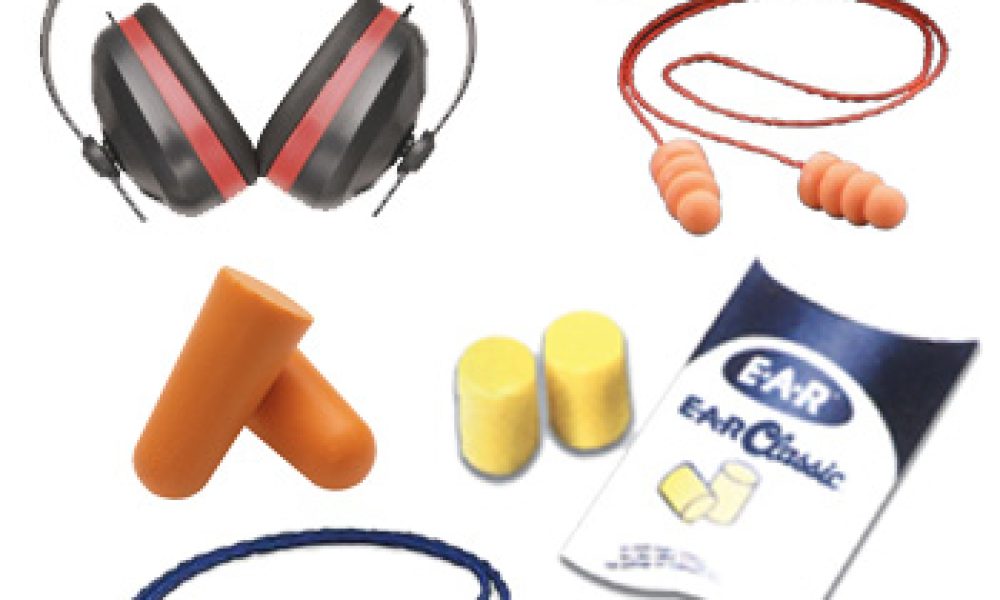
The global hearing protection devices market has witnessed steady growth over recent years and is poised for accelerated expansion. According to the Persistence Market Research, the market is projected to reach a valuation of US$ 4.2 billion by 2032, up from an estimated US$ 2.4 billion in 2025, reflecting a compound annual growth rate (CAGR) of 8.2% during the forecast period. Hearing protection devices (HPDs), such as earplugs, earmuffs, and custom-fit solutions, play a critical role in safeguarding individuals from noise-induced hearing loss (NIHL) by attenuating harmful sound levels, especially in environments where noise exceeds 80 dB for prolonged durations. These devices are widely employed across industrial sectors like construction, manufacturing, mining, and transportation, as well as in military, entertainment, and recreational settings, highlighting their cross-sectoral importance.
Several growth drivers underpin this expanding market. Rising industrialization, coupled with stringent occupational safety regulations globally, has increased demand for effective hearing protection solutions. Awareness of hearing-related health issues, including tinnitus and long-term auditory damage, is pushing organizations to invest in advanced, ergonomic, and comfortable devices. Technological advancements, such as Bluetooth-enabled and smart hearing protectors with customizable noise attenuation, are further driving adoption. Among product types, earplugs lead the market due to their affordability, comfort, and ease of use across industries. Geographically, North America dominates the market, accounting for over 37% of global value share in 2025. The region’s market leadership stems from strict regulatory enforcement by agencies like OSHA and NIOSH, high workplace noise exposure, and a strong culture of safety compliance among employers and employees.
Download Your Free Sample & Explore Key Insights: https://www.persistencemarketresearch.com/samples/3036
Key Highlights from the Report
• Disabling hearing loss affects nearly 80% of people in Low- and Middle-Income Countries (LMICs).
• Integration of smart hearing protectors with Bluetooth and noise monitoring enhances safety and user experience.
• Rising popularity of hearing protection in sports, entertainment, and non-industrial environments.
• North America holds the largest market share due to stringent regulations and high awareness of noise-induced hearing loss.
• Earplugs segment dominates the product market, offering affordability, comfort, and widespread industrial adoption.
• Increasing investment in innovation and digital features drives market growth and product differentiation.
Market Segmentation
The hearing protection devices market is segmented primarily by product type, protection type, and end-user. In terms of product, earplugs dominate the market due to their compact design, cost-effectiveness, and high adoption across industries such as construction, manufacturing, and entertainment. Earmuffs, though bulkier, are gaining traction due to advanced features like Bluetooth connectivity, electronic noise cancellation, and ergonomic comfort, making them ideal for industrial and military applications. Other niche solutions, such as metal-detectable hearing protection, cater specifically to food processing and pharmaceutical sectors.
When segmented by protection type, passive hearing protection devices currently hold a significant market share. These devices use physical barriers such as foam or insulated materials to attenuate harmful sound frequencies and are valued for reliability, simplicity, and cost-effectiveness. Conversely, active hearing protection devices employ electronic components, including microphones and speakers, to selectively filter or cancel noise while preserving situational awareness. Active devices are increasingly adopted in high-tech industrial settings, recreational sports, and environments requiring precise sound monitoring.
End-user segmentation reveals wide application across industrial, military, healthcare, and consumer domains. Industrial users remain the largest segment due to high exposure to hazardous noise in construction, manufacturing, and mining. Military and defense sectors adopt advanced HPDs to protect personnel in high-decibel environments while enabling communication. Healthcare professionals, musicians, and recreational users represent growing consumer segments, driven by awareness of hearing health and demand for technologically enhanced, comfortable, and stylish solutions.
Get Custom Insights Designed for Your Business: https://www.persistencemarketresearch.com/request-customization/3036
Regional Insights
North America leads the global hearing protection devices market, driven by high industrial activity, strict regulatory frameworks, and widespread adoption of workplace safety protocols. In the U.S., over 22 million workers are exposed to hazardous noise annually, yet more than 50% fail to consistently use hearing protection, indicating a strong market opportunity. Additionally, the region benefits from ongoing technological innovation and substantial investments in AI-integrated and smart hearing solutions, particularly in aerospace, defense, and industrial sectors.
Europe maintains a robust market position, propelled by comprehensive safety regulations and public awareness initiatives. Agencies such as EU-OSHA and national health authorities actively promote hearing conservation programs, contributing to steady market growth. Occupational noise-induced hearing loss affects a notable proportion of workers, emphasizing the need for advanced protective solutions. Collaborative campaigns and research-driven awareness efforts in countries like the UK, Germany, and France further strengthen market demand.
The Asia Pacific region presents the fastest-growing market opportunity, with a projected CAGR of 9.1% from 2025 to 2032. Rapid industrialization in China, India, and Southeast Asia, combined with urban noise pollution, has heightened the need for hearing protection. However, inconsistent enforcement of workplace safety standards and fragmented market conditions create both challenges and opportunities. Rising middle-class awareness, vocational safety training, and increasing investments in affordable, high-quality HPDs are expected to drive substantial growth in the coming years.
Market Drivers
The primary driver of the hearing protection devices market is the increasing incidence of noise-induced hearing loss across industries and urban environments. Industrialization, construction, mining, and manufacturing generate high-decibel environments that threaten auditory health, prompting regulatory bodies to enforce protective measures. Additionally, awareness campaigns by health organizations and research collaborations, such as the 2025 University of Michigan, Apple, and WHO study on sound exposure, reinforce the importance of hearing conservation. Consumer demand is also influenced by the availability of smart, ergonomic, and customizable devices, which combine safety with comfort, ease of use, and connectivity features, thereby encouraging adoption across industrial and recreational applications.
Market Restraints
Despite growth prospects, market expansion faces challenges, primarily due to social stigma, design limitations, and device performance concerns. Many users perceive hearing loss as an age-related condition, leading younger demographics to avoid protective devices. Bulky or conspicuous designs further reduce user acceptance, while inadequate noise attenuation in certain products raises safety concerns in high-risk workplaces. Resistance to adoption is compounded by insufficient awareness in both professional and consumer segments. Overcoming these barriers requires the development of discreet, comfortable, and high-performing HPDs along with sustained awareness and education campaigns.
Market Opportunities
The demand for advanced, smart, and user-friendly hearing protection devices presents significant opportunities for market players. Digital and Bluetooth-enabled devices offering customizable noise attenuation, comfort, and connectivity are increasingly preferred by industrial workers, recreational users, and consumers in high-noise environments. Rising awareness of the health implications of prolonged noise exposure and the link between hearing protection and quality of life further fuels adoption. Companies are leveraging product innovation, collaborations, and strategic launches to address diverse consumer needs, such as AXIL’s MX Series earmuffs, Loop’s Engage Kids range, and Sonova’s SilentCloud™ tinnitus management app, highlighting the growing potential for differentiation and market penetration.
Checkout Now & Download Complete Market Report: https://www.persistencemarketresearch.com/checkout/3036
Company Insights
Key players operating in the hearing protection devices market include:
• 3M
• MSA
• Honeywell International Inc
• Dynamic Ear Company (Sonova)
• Phonak
• Lucid Hearing Holding Company, LLC
• Starkey
• W.W. Grainger, Inc.
• EAR Customized Hearing Protection
• Alpine Hearing Protection Inc
• Ear Institute
• Hellberg Safety (Hultafors Group)
• Sensear Pty Ltd.
• AXIL Brands Inc.
• Big Ear Inc
• Custom Protect Ear
• Acscustom
• Loop Earplugs
• Walker’s Game Ear
• Crescendo
Market Segmentation
By Product
- Earplugs
- Foam Earplugs
- PVC
- Polyurethane
- Silicone & TPE
- Molded Plugs
- Attenuation Earplugs
- Canal Caps
- Foam Earplugs
- Earmuffs
- Metal Detectable
By Protection Type
- Active Hearing Protection Devices
- Passive Hearing Protection Devices
By End-use
- Construction Sites
- Industrial/Factories
- Recreational Activities
- Transportation
- Defence
- Firearm Shooting
- Sleeping
- Live Music Concerts
- Biking/Motorbikes
- Do It Yourself Work
- Others
By Region
- North America
- Europe
- East Asia
- South Asia and Oceania
- Latin America
- Middle East and Africa
Recent developments in the market include the April 2025 collaboration between Coachella and Loop Earplugs, launching limited-edition earplugs for festival-goers with 17 dB noise reduction, and the February 2025 partnership of Start Hearing and SoundGear with the Union Sportsmen’s Alliance, offering discounted advanced hearing protection solutions for union members.
Conclusion
The global hearing protection devices market is experiencing significant growth, driven by rising industrialization, increasing noise exposure, and growing awareness of hearing health risks. Earplugs continue to dominate the product segment, while North America leads geographically due to strict regulations and high workplace compliance. Europe and Asia Pacific offer substantial growth opportunities fueled by regulatory support, public awareness, and rapid industrial expansion. Market growth is further enhanced by technological innovations in smart and ergonomic devices, catering to industrial, military, and consumer applications. Challenges such as stigma, design limitations, and performance issues remain, but opportunities lie in the adoption of digital, comfortable, and customizable solutions. Key players are actively innovating and forming strategic partnerships to capitalize on the rising demand, ensuring that hearing protection devices continue to play a crucial role in safeguarding global auditory health.




