
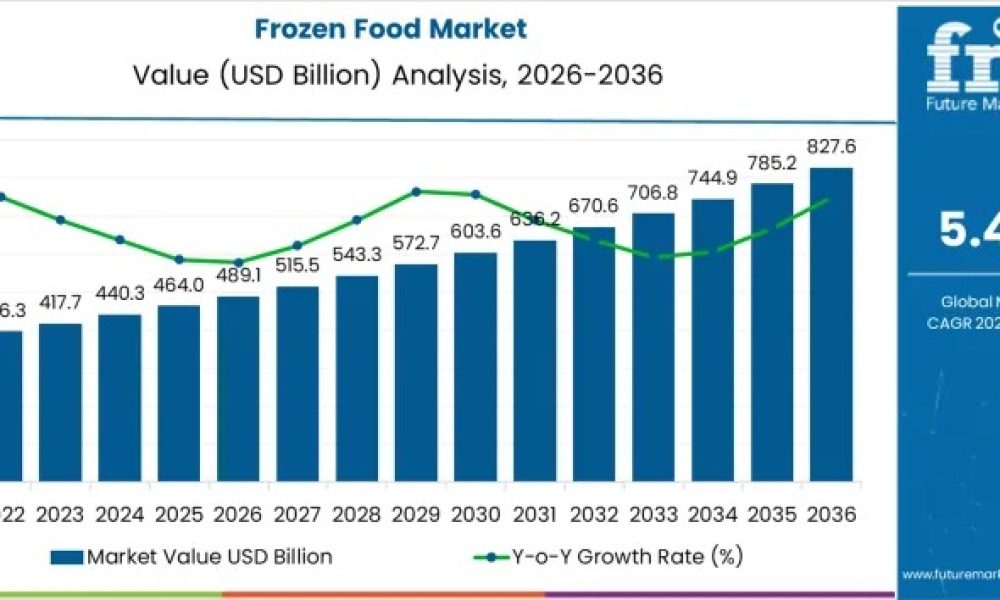
The global frozen food market, valued at USD 489.1 billion in 2026, is poised for robust growth, expected to reach USD 827.6 billion by 2036, reflecting a CAGR of 5.40%. Positioned at the intersection of convenience, nutrition, and sustainability, frozen food is increasingly becoming a vital component of the modern food landscape, catering to busy lifestyles while retaining essential taste and nutritional qualities.
Frozen food serves as a bridge between fresh produce and fast-food options, offering long-lasting, ready-to-eat meals to households and food service providers alike. Its relevance spans retail supermarkets, quick-service restaurants, and e-commerce platforms, where convenience, variety, and shelf life are critical for meeting evolving consumer demands.
Explore trends before investing – request a sample report today!
Technological advancements in freezing techniques, particularly Individual Quick Freezing (IQF), have strengthened market growth. IQF preserves the texture, flavor, and nutritional integrity of individual food pieces, preventing ice crystal formation that can compromise quality. As a result, IQF dominates the freezing technique segment with a 42% market share, particularly for vegetables, fruits, and seafood.
Frozen Ready Meals Lead the Product Segment
Frozen ready meals are the leading product type, accounting for 35% of the market, driven by convenience, affordability, and diverse offerings. Busy urban lifestyles, dual-income households, and the rise of single-person households are fueling demand for quick meal solutions that do not compromise on taste or nutrition. The trend toward personalized, healthier meal options is further enhancing the popularity of ready meals, positioning them as a key growth driver in the frozen food market.
Market Growth Dynamics
The frozen food market’s expansion is influenced by several key factors:
- Convenience: Consumers increasingly prefer meals that save preparation time without sacrificing flavor or quality.
- Health-Conscious Offerings: The rise in health awareness has prompted the introduction of organic, protein-rich, and clean-label frozen foods.
- E-Commerce Expansion: Online grocery shopping has enhanced accessibility, allowing consumers to purchase frozen products easily.
- Technological Innovation: Advances in blast freezing and cryogenic freezing improve both efficiency and food quality.
- Retail Evolution: Improvements in cold chain logistics and in-store freezer technology ensure product availability and freshness.
Regional Market Insights
The frozen food market exhibits notable regional growth variations:
- India: Expected CAGR of 7.9%, fueled by urbanization, rising disposable incomes, and growing preference for convenient meals.
- China: CAGR of 6.3%, driven by e-commerce expansion, increasing disposable income, and demand for ready-to-eat options.
- Japan: CAGR of 5.2%, supported by an aging population seeking nutritious, convenient meals.
- UK: CAGR of 4.8%, with demand for affordable, healthy frozen options increasing among busy households.
- France: CAGR of 4.6%, as consumers gravitate toward gourmet, healthier frozen products and convenience foods.
Competitive Landscape
The global frozen food market is highly competitive, with leading players leveraging innovation, brand trust, and broad distribution channels:
- Nestlé: Offers a wide range of frozen meals and snacks with international flavors, extended shelf life, and consistent quality.
- Conagra Brands: Focuses on family-friendly, value-driven frozen offerings, with strong retail presence and recognizable brand names.
- General Mills: Emphasizes nutrition-led frozen products, including high-protein and whole grain options.
- Unilever: Brings premium frozen desserts and ice creams with sustainable sourcing and innovative flavors.
- Tyson Foods: Specializes in protein-rich frozen meals, prioritizing flavor and nutritional value.
These companies compete on convenience, product quality, taste, and retail reach, while also responding to consumer preferences for healthier, clean-label, and eco-friendly products.
Segment-Wise Analysis
- Freezing Technique: Individual Quick Freezing (IQF) leads at 42%, followed by belt freezing and blast freezing.
- Product Type: Frozen ready meals dominate with 35%, followed by frozen meat, seafood, fruits, vegetables, bakery products, dairy, and soups & sauces.
To Access The Full Market Analysis, Strategic Recommendations, And Analyst Support, Purchase The Complete Report Here.
Market Outlook
The frozen food market is expected to continue its steady growth, driven by consumer demand for convenience, nutrition, and variety. As technological advancements enhance food preservation and e-commerce expands accessibility, frozen food will remain a cornerstone of the global food industry.
About Future Market Insights (FMI)
Future Market Insights, Inc. (FMI) is an ESOMAR-certified, ISO 9001:2015 market research and consulting organization, trusted by Fortune 500 clients and global enterprises. With operations in the U.S., UK, India, and Dubai, FMI provides data-backed insights and strategic intelligence across 30+ industries and 1,200 markets worldwide.



